US Announces $6 Million Aid for Cuba; Havana: 'Hypocritical'
Washington sends humanitarian aid while maintaining oil blockade. Cuban Vice Minister Carlos Fernández de Cossío criticizes the contradiction in US policies.
2 min read
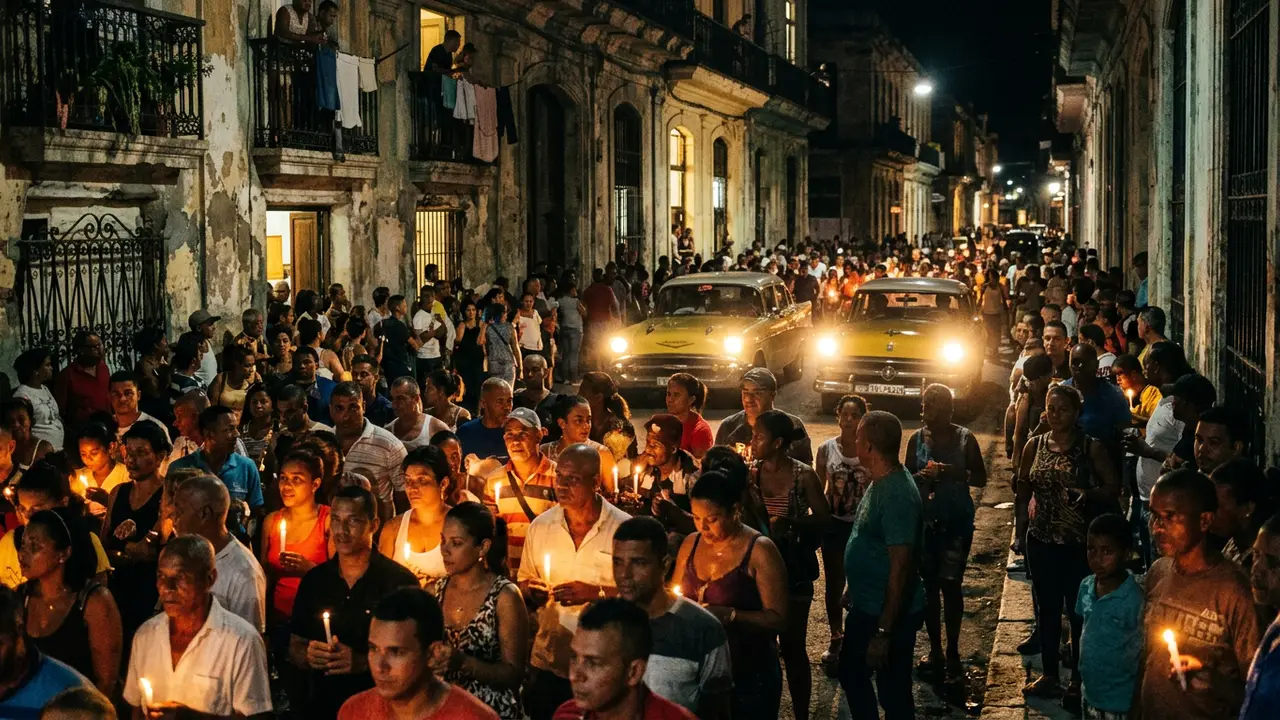
Illustration: Aroma de Cuba (AI)
In a gesture Havana calls contradictory, the United States government announced $6 million in humanitarian aid for Cuba while maintaining an oil blockade that threatens to trigger a humanitarian crisis on the island.
Aid Includes Food and Hygiene Products
According to the Trump Administration, the new assistance adds to the $3 million sent in January to help families affected by Hurricane Melissa.
The aid includes tens of thousands of units of basic products:
- Hygiene kits
- Non-perishable foods (pasta, rice, canned tuna, beans)
The products will be shipped from Miami and distributed through local parishes, primarily in eastern Cuba.
”Hypocritical,” Cuba Responds
Havana’s response was immediate and forceful. Vice Minister of Foreign Affairs Carlos Fernández de Cossío wrote on X:
“Quite hypocritical to apply draconian coercive measures denying basic economic conditions to millions and then announce soup and cans for a few.”
Washington Denies Blockade Causes Crisis
Acting Undersecretary of State Jeremy Lewin rejected that oil restrictions are amplifying the humanitarian crisis. He argued that Cuba is still affected by Hurricane Melissa and accused the Cuban government of hoarding available fuel.
“The idea that some change in recent weeks regarding oil is responsible for what’s happening in Cuba is simply not true,” he stated.
He also noted that products would be delivered pre-packaged to prevent “regime interference.”
Cuba Without Fuel Since December
President Miguel Díaz-Canel confirmed that Cuba has not received fuel from abroad since December due to US pressure.
Following Nicolás Maduro’s capture on January 3, Venezuelan supply was interrupted. Trump’s subsequent executive order threatening tariffs on countries sending oil to Cuba has closed other supply routes.
Experts estimate Cuba needs about 110,000 barrels daily to meet its energy demand. Venezuela was providing about 30,000 barrels daily.
International Condemnation
Several countries have condemned the US measure, arguing it could trigger a humanitarian crisis. These include Russia, China, Mexico, and Venezuela itself.
Source: OnCubaNews, EFE, CNN
Frequently asked questions
How much aid did the US announce for Cuba?
Why did Cuba call US aid 'hypocritical'?
How many barrels of oil does Cuba need daily?
How we got here
Background
The first thing we published on this topic.
Fernández de Cossío: Cuba Open to US Dialogue, No Talks Yet
The Cuban Vice Minister of Foreign Affairs clarifies Havana's position amid Trump's claims about alleged bilateral negotiations.
Washington Demands Havana Stop Repudiation Acts Against Mike Hammer
The State Department demands Cuba cease 'repressive acts' against the American diplomat and calls the Cuban government an 'illegitimate regime.'
Related articles
Fernández de Cossío: Cuba Open to US Dialogue, No Talks Yet
The Cuban Vice Minister of Foreign Affairs clarifies Havana's position amid Trump's claims about alleged bilateral negotiations.
Mexico Confirms Talks to Mediate Between the U.S. and Cuba
President Sheinbaum reveals active discussions on Mexico facilitating dialogue between Washington and Havana amid deepening crisis.
US and Cuba: Toward a Full Reopening of Flights in 2026
Negotiations between Washington and Havana could release all commercial flights to the island amidst Cuba's energy crisis.
Russia: Cuba Situation 'Critical,' US 'Suffocating' the Island
Kremlin promises assistance to Havana. Mexico reiterates: 'You cannot strangle a people like this.'
Diplomats in Havana Prepare Evacuation as Cuba Negotiates in Secret
Embassies in Havana draw down staff as WFP warns of imminent food crisis, while Cuba and the US hold secret talks in Mexico.
US Pressure Leads Countries to Cancel Cuban Medical Missions in 2026
Bahamas, Guyana, and Guatemala suspend contracts with Cuban doctors under Washington's pressure. Rubio calls the program forced labor.