Transport Collapse in Cuba: Fuel Shortage Paralyzes the Country
The fuel crisis in Cuba reaches critical levels in March 2026, leading to a near-total paralysis of both public and private transport throughout the island.
2 min read
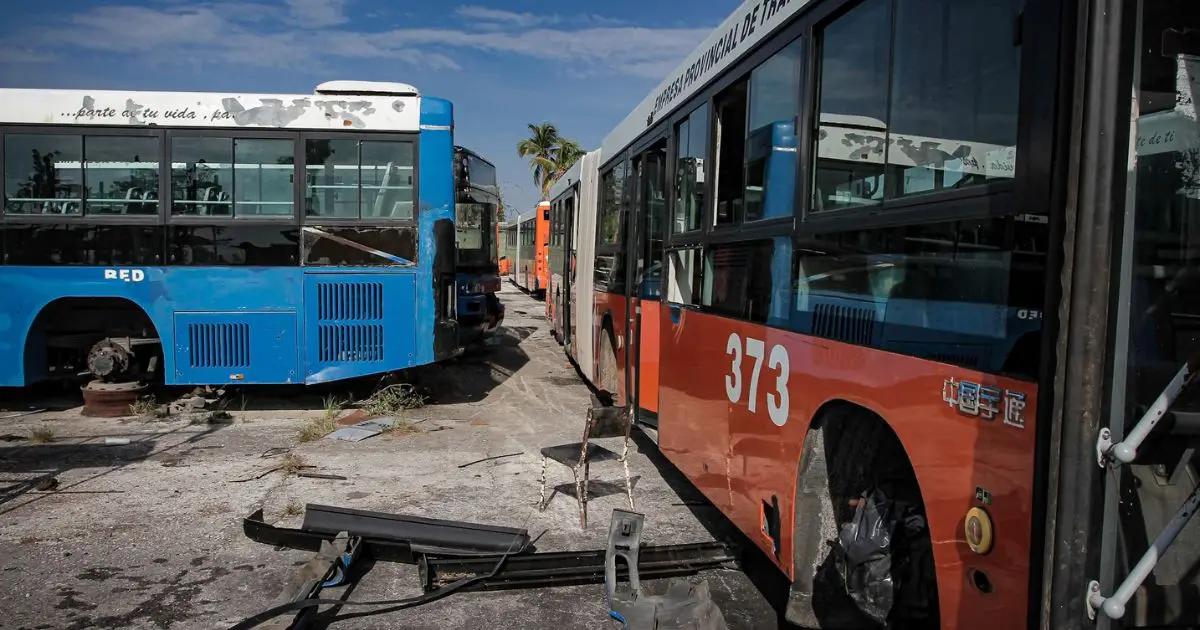
Photo: CiberCuba
The transport crisis in Cuba has hit rock bottom this Monday, March 23rd, 2026. After weeks of logistics agony marked by supply shortages, fuel scarcity has forced the suspension of almost all bus and train routes in the country, leaving millions of citizens without basic means of mobility.
An Unprecedented Paralysis
In provinces like Ciego de Ávila, authorities have admitted that only a tiny fraction of the usual routes are operational. This scene is repeated across the archipelago: bus stops crowded with people waiting for hours in the sun, while state-owned vehicles are nowhere to be seen. Private transport, with its astronomically high prices, also fails to offer a viable solution for the majority of the working population.
The situation has worsened following the total disconnection of the national electrical system reported just a week ago, further complicating the logistics of distributing diesel and gasoline at service stations.
Impact on Daily Life
The collapse doesn’t just affect people’s movement; it also threatens the already precarious food security. According to recent reports, the lack of fuel is preventing the transportation of agricultural products from the country to urban centers, accelerating shortages in markets and the rise of prices in the informal economy.
Educational institutions have also seen their operations affected, with universities limiting in-person classes due to the impossibility for students and teachers to travel.
Frequently Asked Questions (FAQ)
What is the main cause of the transport collapse in Cuba?
The main cause is the critical shortage of imported fuel, combined with the decay of road infrastructure and the lack of spare parts for the state’s vehicle fleet.
Which provinces are most affected?
Although the entire island is suffering the crisis, central and eastern provinces such as Ciego de Ávila and Santiago de Cuba report a near-total paralysis of their local and inter-provincial public transport systems.
How does this affect food supplies?
The lack of diesel prevents cargo trucks from moving crops to markets, causing food to rot in the fields while cities suffer from shortages.
are there short-term solutions planned by the government?
While the Ministry of Transport has promised improvements, the structural solution depends on the arrival of fuel shipments that are currently delayed or primarily destined for power generation.
Sources:
How we got here
Background
The first thing we published on this topic.
Cuba Postpones IT Convention 2026 Due to Energy Crisis
Cuba's main technology event, scheduled for March, is indefinitely postponed due to the 'extraordinary situation' facing the country.
Cuba Emergency: Universities Closed, 4-Day Work Week
The Cuban government closes universities, reduces school hours, limits hospital surgeries, and shortens the work week amid the fuel crisis.
Related articles

Sudden Drop of MLC in Cuba: Volatility in Informal Currency Market
The price of the Moneda Libremente Convertible (MLC) falls to 385 CUP in Cuba's informal market, its lowest level since early March.
Cuba Blackouts: Deficit of Nearly 2,000 MW Marks a Critical Sunday
The Electric Union (UNE) reports power cuts due to lack of generation for 24 hours, anticipating massive outages for March 29.

Cuban Food Prices: Relentless Inflation at the End of March
Inflation in Cuba is relentless: basic products like rice and oil reach record prices at the end of March 2026.
Cuba's Informal Market: Dollar Stays Stable While Euro Rises
Analysis of Cuba's informal foreign currency market today, March 13. Exchange rates for the USD, Euro, and MLC according to elTOQUE and MININT raids.

National Blackout in Cuba: 20-Hour Power Cuts and 2,300 MW Deficit
The energy crisis in Cuba worsens this March 11 with blackouts exceeding 20 hours daily. The failure of the Guiteras power plant keeps two-thirds of the...

Cuba in Chaos: 2000 MW Blackouts Leave the Island in Darkness
Cuba's energy crisis worsens this March 2026 with a record 2000 MW deficit. Two-thirds of the country suffer simultaneous power cuts.