Trump: 157,000+ Cuban Applications Frozen as Adjustment Act Crumbles
Thousands of Cubans see their residency processes paralyzed under Trump's immigration policies, creating unprecedented legal limbo
5 min read

Photo: Wikimedia Commons / Henry Clay and Bock Co. Ltd.
More than 157,000 Cubans in the United States have seen their permanent residency processes paralyzed following changes implemented by the Trump administration, according to Niskanen Center data updated through March 31, 2026. The figure represents a 140% increase compared to October 2024, evidencing an unprecedented crisis in the Cuban immigration system.
Mass Freezing of Applications
Official USCIS data reveals a dramatic collapse in Cuban case processing:
- January 2026: Only 19 Cuban Adjustment Act applications completed
- December 2025: 55 applications processed
- Historical average: 5,334 applications monthly in the previous 12 months
“It’s a total paralysis of the system. Families who have waited for years see their dreams frozen indefinitely,” explains María García, a Cuban immigration specialist attorney in Miami.
Alarming First Quarter Data
The Niskanen Center report documents devastating figures for the first quarter of 2026:
- 59% fewer cases completed compared to January 2025
- Less than half applications received vs. January 2025
- 6.28 million cases accumulated in federal backlog
- 250,000 unopened cases at the end of fiscal year 2025
The Cuban Adjustment Act Under Siege
The Cuban Adjustment Act of 1966, which has allowed more than 1.5 million Cubans to obtain permanent residency in the United States, faces unprecedented bureaucratic obstacles.
Processing Times Doubled
Wait times have skyrocketed dramatically:
| Form | FY2025 | FY2026 | Increase |
|---|---|---|---|
| I-90 (Green card replacement) | 4.1 months | 9.2 months | +124% |
| Exclusion waivers | 21.9 months | 35.4 months | +62% |
| Adjustment of status | 12-15 months | 24-30 months | +100% |
Cubans in Legal Limbo
According to civil rights organizations, more than 300,000 Cubans are currently in legal limbo due to:
- Humanitarian parole suspension (CHNV program eliminated)
- Asylum decision freeze for 75 countries
- New obstacles for Cuban Adjustment Act applications
- Record deportations: 5,286 Cubans expelled in 2026
Separated Families and Economic Crisis
Human Drama Testimonies
Carmen Rodríguez, a Tampa resident with three U.S. citizen children, has been waiting 18 months for USCIS response: “I paid $1,400 in fees, hired a lawyer, submitted all documentation. Now they tell me it could take years more.”
Her case exemplifies that of thousands of families:
- Essential workers (nurses, teachers, technicians)
- Parents of U.S. citizens
- Tax contributors with clean employment history
- Applicants with more than 2 years waiting for decision
Devastating Economic Impact
The freeze has severe economic consequences:
- $240 million in fees paid for stalled applications
- Productivity loss due to legal uncertainty
- Brain drain to countries with more predictable policies
- Real estate market affected by families unable to buy homes
Legal Strategies and Available Resources
Options for Those Affected
Specialist attorneys recommend:
- Maintain legal status: Don’t let work permits expire
- Document everything: Preserve evidence of employment, taxes, family ties
- Legal consultation: Evaluate alternatives like political asylum
- Advocacy: Contact Congressional representatives
Available Legal Resources
| Organization | Services | Contact |
|---|---|---|
| CLINIC | Free consultations | 1-800-354-0365 |
| ACLU Florida | Legal defense | aclufl.org |
| Catholic Legal Services | Low-cost assistance | catholiclegalservices.org |
Regional Context and Crisis in Cuba
Cuba: Energy Crisis and Exodus
The situation on the island aggravates the migration crisis:
- 16 hours daily of blackouts
- 90% reduction in Venezuelan oil supply
- 340% increase in dangerous maritime crossings
- 40% of population in extreme poverty
“Cubans flee a real humanitarian crisis, but arrive at a collapsed immigration system that cannot process their basic residency cases,” analyzes Dr. Jorge Duany, Cuban migration specialist at FIU.
International Comparison
Other countries have expanded options for Cubans:
- Uruguay: 22,000 asylum applications approved in 2025
- Brazil: Tripled regular Cuban admissions
- Spain: Work visa program for professionals
Frequently Asked Questions
What can I do if my I-485 application has been pending for more than 18 months without response?
You can file a case inquiry if your case exceeds normal processing times. Also consider consulting an attorney about mandamus lawsuit options if there are unreasonable delays.
Does this affect my work permit (EAD)?
Work permits based on pending Cuban Adjustment Act applications generally renew automatically, but may experience delays. File renewal 150 days before expiration.
Can I travel outside the United States with my case pending?
Only with approved advance parole. Travel without authorization can result in abandonment of the application. Consult an attorney before traveling.
What alternatives do I have if my case is delayed indefinitely?
Depending on your situation, you might qualify for political asylum, TPS (if designated for Cuba), or family-based visas. An attorney can evaluate your specific options.
The Cuban immigration system crisis shows no signs of immediate improvement. With more than 157,000 applications frozen and processing times extending up to 30 months, Cuban families face their greatest legal challenge in decades.
The community must stay informed, seek competent legal counsel, and consider all available options while navigating this period of unprecedented uncertainty.
Related Articles
How we got here
Background
The first thing we published on this topic.
Nicaragua Closes the Door: Ends Visa-Free Entry for Cubans
Nicaragua ends visa-free entry for Cuban citizens, closing one of the main migration routes to the United States.
Cuba Records Second Magnitude 5 Earthquake in Three Days Near Santiago
A 5.0 magnitude tremor shook eastern Cuba, two days after a 5.6 quake in Guantánamo that damaged homes
Related articles
Record 403 Cubans Deported in 2026: Trump Figures Alarm Community
ICE has deported 403 Cubans in three flights through March 2026. The unprecedented escalation under Trump divides families and sparks panic.
Migration Limbo: Nearly 6,000 Cubans Deported to Mexico
A federal judge reveals the Trump administration deported thousands of Cubans to Mexico under an informal agreement, leaving them in legal limbo.
USCIS freezes 157,000 Cuban applications: massive legal limbo
Over 157,000 Cubans wait for green cards with applications suspended by Trump. Lawyers prepare massive federal lawsuits to force action.
CHNV Humanitarian Parole Program for Cubans Ends Officially
The CHNV program that benefited 300,000 Cubans is officially canceled. Supreme Court lifts protections following Trump's decision.
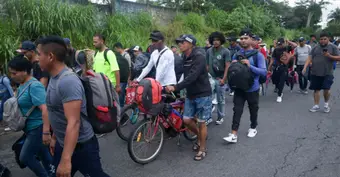
Direct Cuban Deportations to Tapachula: New Route That Bypasses Havana
US sends 2-3 weekly flights with deported Cubans directly to Tapachula, Mexico, avoiding Cuba in an unprecedented Trump administration tactic.

Federal lawsuit post-deadline: 100,000+ Cubans seek to expedite cases
After Friday the 13th deadline expired, federal lawsuit against USCIS over Cuban residencies paralyzed under Trump continues its legal course.