Judge Blocks CBP One Termination: 900,000 Migrants Regain Protection
Massachusetts federal court reverses Trump's decision to end humanitarian parole for migrants who used CBP One, affecting Cubans, Venezuelans, and Haitians
5 min read
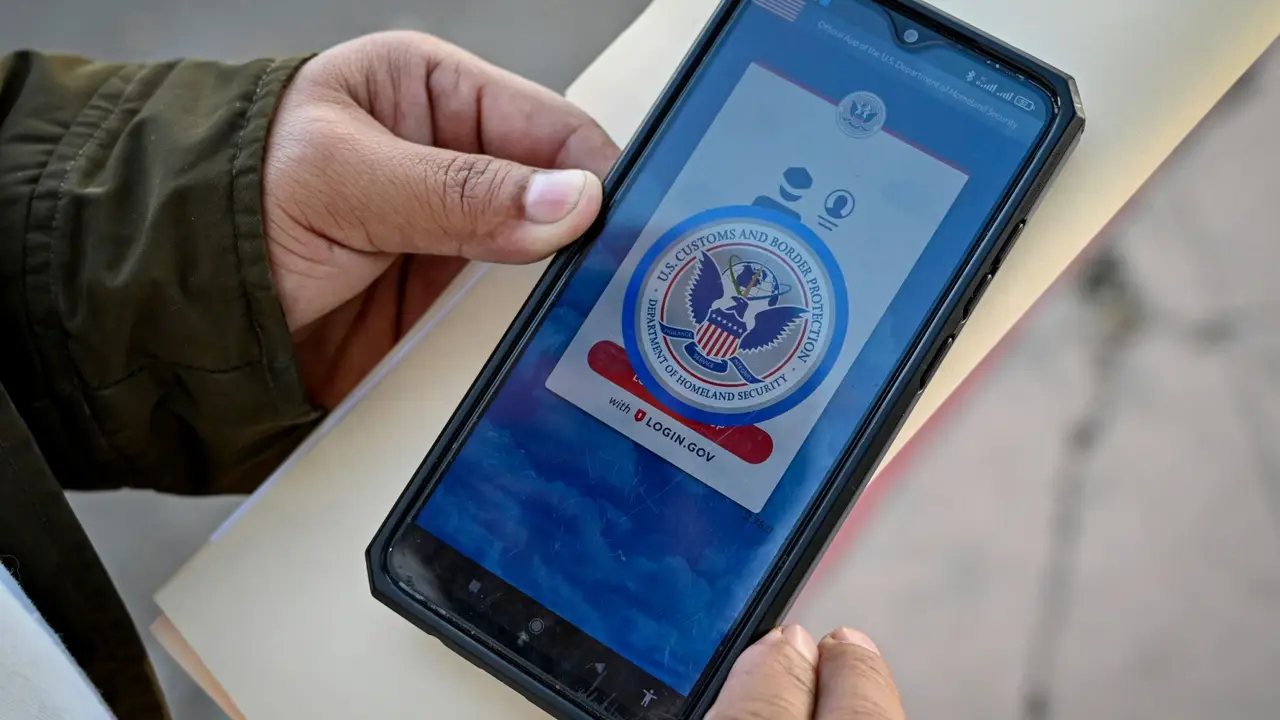
Photo: NBC News
In a landmark ruling that reshapes the immigration landscape, federal Judge Allison Burroughs of the District of Massachusetts ordered the Trump administration to restore humanitarian parole status to nearly 900,000 migrants who legally entered the United States through the CBP One program.
Court Finds Procedural Violations
The decision, issued on March 31st, establishes that the Trump administration “acted unlawfully” by summarily revoking the immigration status of hundreds of thousands of people who had followed all legal procedures established under the Biden administration.
“The regulations do not give the agency unfettered discretion to terminate parole,” Judge Burroughs wrote in her 47-page ruling, harshly criticizing how the Department of Homeland Security (DHS) handled the revocations.
Humanitarian Crisis Through Mass Emails
One of the most disturbing aspects of the case was how the government communicated the revocations. According to court documents, beneficiaries began receiving mass emails starting in April 2025 that:
- Were not addressed to any specific recipient
- Were not signed by any government official
- Provided no explanation for the termination
- Ordered immediate departure from the country
“It was depersonalized and cruel communication,” declared María González, attorney for Democracy Forward, the organization representing plaintiffs. “Entire families who had built lives here received these emails as if they were spam.”
Impact on Cuban, Venezuelan, and Haitian Communities
The CBP One program, established during the Biden administration, allowed migrants from Cuba, Venezuela, Haiti, and Nicaragua to schedule legal appointments at border ports of entry. Between May 2023 and January 2025:
- 75,000 Cubans obtained humanitarian parole
- 400,000 Venezuelans entered through the program
- 125,000 Haitians used the application
- 300,000 Nicaraguans benefited from the system
For Cuban families, the program represented a safe alternative to dangerous maritime crossings, which have increased 340% since Cuba’s energy crisis.
Key Legal Arguments
Democracy Forward and the Massachusetts Law Reform Institute, representing the plaintiffs, argued that the mass revocation violated several fundamental legal principles:
Due Process
- No individualized hearing provided
- Lack of adequate notice with official signature
- Absence of explanation for decisions
Federal Regulations
- Parole has specific two-year duration
- Agencies must follow their own regulations
- No authority exists for mass revocations without cause
Separation of Powers
- Only Congress can change fundamental immigration laws
- Executive orders cannot override existing statutes
Trump Administration Response
The Department of Homeland Security forcefully rejected the ruling, calling it “blatant judicial activism” in an official statement:
“This ruling undermines our promise to secure borders and protect national security. CBP One was a flawed program that allowed mass entry without adequate verifications.”
The administration announced it will immediately appeal the decision to the First Circuit Court of Appeals and, if necessary, take the case to the Supreme Court.
Reality on the Ground
For thousands of families, the judicial decision comes as relief after months of uncertainty. Carmen Rodríguez, a 34-year-old Cuban living in Tampa with her three children, described the impact:
“When I received the email in April telling me I had to leave, I thought it was a joke. I had followed all the steps, had work, my children were in school. I didn’t understand how they could take everything away from me overnight.”
The decision restores not only legal status but also:
- Work permits valid for two years
- Protection against immediate deportation
- Eligibility to apply for asylum or other status
- Access to basic services and education
Significant Legal Precedent
The ruling establishes important limits on executive power in immigration matters, especially relevant given the dramatic increase in deportations under Trump. In 2026, Cuban deportations have reached historic levels with more than 5,200 expulsions.
The decision also reinforces the principle that migrants who follow established legal procedures have rights to basic due process protections, even when administrations change.
Next Legal Steps
While the legal battle continues, CBP One beneficiaries can:
- Remain in the United States without fear of immediate deportation
- Continue working with their existing permits
- Apply for renewals of expiring documents
- Proceed with asylum cases if they qualify
- Reunite with family members who had travel plans
Judge Burroughs ordered the government to implement status restoration within 30 days, although the process will likely take longer given USCIS’s limited resources.
Broader Immigration Context
This decision comes at a crucial moment for U.S. immigration policy. With more than 300,000 Cubans in legal limbo due to suspended asylum processing and termination of CHNV humanitarian parole, the CBP One ruling offers tangible hope.
However, other challenges remain:
- Suspension continues for new CBP One applications
- DHS budget crisis affects processing
- Record deportations continue for other groups
- Traditional migration routes remain closed
Legal Implications for Future Cases
Immigration attorneys view this ruling as potentially game-changing for challenging other Trump administration immigration policies. The court’s emphasis on due process and regulatory compliance could apply to:
- Mass deportation operations
- Asylum processing suspensions
- Work permit revocations
- Family separation policies
“This decision shows federal courts will not rubber-stamp immigration actions that violate basic procedural rights,” said immigration attorney Carlos Hernández, who has represented hundreds of CBP One beneficiaries.
FAQ
Who is covered by this decision?
The decision covers migrants from Cuba, Venezuela, Haiti, and Nicaragua who entered through CBP One between May 2023 and January 2025 and received revocation emails in April 2025.
What should I do if I received a revocation email?
Contact an immigration attorney immediately. Save the email as evidence and do not take actions based on its content until you have legal advice.
Can I renew my work permit?
Yes, the ruling restores all rights associated with the original parole, including eligibility to renew work permits.
Does this affect new CBP One applications?
No. The decision only restores previously granted status. New applications remain suspended under current Trump policies.
This is a complex legal situation under development. For specific advice about your individual case, consult with a qualified immigration attorney.
How we got here
Background
The first thing we published on this topic.
Nicaragua Closes the Door: Ends Visa-Free Entry for Cubans
Nicaragua ends visa-free entry for Cuban citizens, closing one of the main migration routes to the United States.
Cuba Records Second Magnitude 5 Earthquake in Three Days Near Santiago
A 5.0 magnitude tremor shook eastern Cuba, two days after a 5.6 quake in Guantánamo that damaged homes
Related articles
Migration Limbo: Nearly 6,000 Cubans Deported to Mexico
A federal judge reveals the Trump administration deported thousands of Cubans to Mexico under an informal agreement, leaving them in legal limbo.
Federal Judge Blocks Trump CBP One Parole Termination for Migrants
A Massachusetts court ruling restores immigration status for Cubans, Venezuelans, and Haitians who entered legally with CBP One.
CHNV Humanitarian Parole Program for Cubans Ends Officially
The CHNV program that benefited 300,000 Cubans is officially canceled. Supreme Court lifts protections following Trump's decision.
Direct Cuban Deportations to Tapachula: New Route That Bypasses Havana
US sends 2-3 weekly flights with deported Cubans directly to Tapachula, Mexico, avoiding Cuba in an unprecedented Trump administration tactic.
Crisis: Cuban migrants trapped between deportations and blackouts
The double crisis facing Cubans in 2026: Trump's mass deportations and Cuba's energy collapse create unprecedented humanitarian emergency.
Double Migration Blow: Nicaragua and Trump Close Routes to Cubans
Nicaragua cancels visa-free entry while Trump suspends visa processing for 75 countries, leaving Cubans without legal options