Canada Sends $8M Emergency Aid to Cuba as Migration Pressure Soars
Canada responds to Cuba's humanitarian crisis with urgent food aid while migration to US surges due to widespread blackouts and shortages.
3 min read
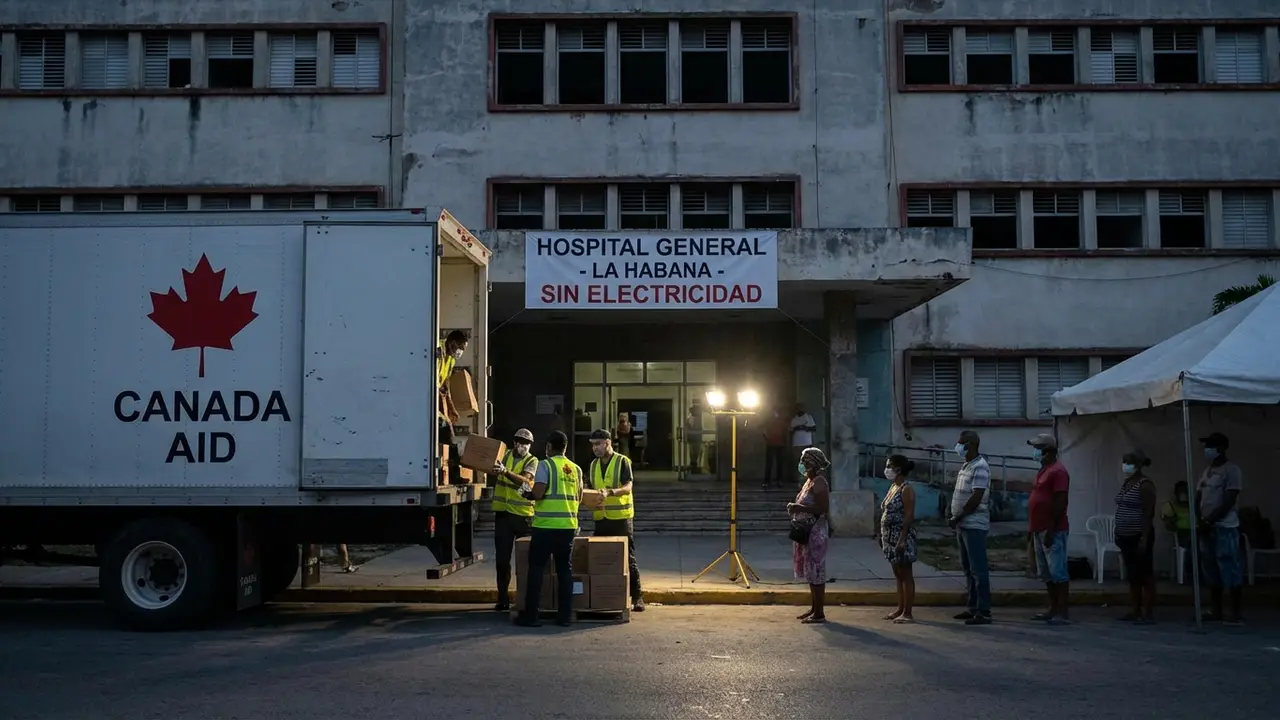
Illustration: Aroma de Cuba (AI)
The Canadian government announced on Thursday an emergency humanitarian aid package worth 8 million Canadian dollars destined for Cuba, responding to intense diplomatic efforts by Cuban ambassador Rodrigo Malmierca Díaz, who presented the energy and food crisis gripping the island.
The decision comes as migration pressure toward the United States intensifies, with thousands of Cubans considering leaving the island due to constant blackouts, fuel shortages, and lack of basic food supplies.
Humanitarian Crisis Drives New Migration Wave
According to testimony presented by Malmierca to Canadian parliamentarians, Cuba has not received oil shipments from Venezuela since the end of last year due to U.S. pressure, creating a critical shortage that has paralyzed essential sectors of the economy and daily life.
This unprecedented energy crisis has created conditions that intensify migration pressure, especially toward the United States, where Cuban deportations have reached record levels under the Trump administration.
Canadian aid will be distributed through UN agencies, including the World Food Program and UNICEF, to support the most vulnerable groups facing severe shortages of basic goods.
Current Migration Context
Cuba’s humanitarian crisis coincides with a hardening of U.S. immigration policies:
- Record deportations: Trump has deported more Cubans than any previous president
- Elimination of protections: ICE has eliminated historic protections for Cuban migrants
- Labor restrictions: New limitations on work permits for asylum seekers
Impact on Migration Decisions
Constant blackouts and lack of basic services are accelerating emigration decisions among Cubans who see few options for short-term improvement on the island.
“The situation has become unsustainable,” explain consulted sources, who describe hospitals without electricity, paralyzed public transportation, and critical food shortages.
Divided International Response
While Canada responds with humanitarian aid, the United States maintains its “maximum pressure” policy on Cuba, including:
- Reinforced economic embargo
- Restrictions on oil shipments
- Accelerated deportations of Cuban migrants
This divergence in approaches reflects different perspectives on how to address the Cuban crisis, with Canada prioritizing humanitarian relief while the U.S. maintains political pressure.
FAQ: Humanitarian Crisis and Migration
How does Cuba’s energy crisis affect migration?
The lack of electricity, fuel, and basic food is pushing more Cubans to consider emigration as their only viable alternative, especially toward the United States.
What does Canada’s humanitarian aid include?
The 8 million Canadian dollars will go primarily to food aid distributed through UN organizations like the World Food Program and UNICEF.
Why did Canada decide to send aid now?
The decision followed diplomatic efforts by Cuban ambassador Rodrigo Malmierca, who presented evidence of the severity of the humanitarian crisis during meetings with Canadian parliamentarians.
How does the United States respond to this crisis?
Unlike Canada, the U.S. maintains its economic pressure policy on Cuba while simultaneously deporting Cuban migrants in record numbers, creating a complex migration paradox.
Canadian aid represents international recognition of the severity of the humanitarian crisis in Cuba, while the hardening of U.S. immigration policies creates a contradictory scenario where the crisis is acknowledged but migration escape routes are restricted for those suffering from it.
This situation underscores the complexity of policies toward Cuba and their implications for regional migration flows, especially when humanitarian crises intersect with long-term political considerations.
How we got here
Background
The first thing we published on this topic.
How Cubans Are Surviving the Fuel Rationing Crisis
Neighbors unite to cook with firewood, power cuts lasting up to 18 hours, and echoes of the Special Period. Testimonies from Havana on the energy crisis.
Cuba Postpones IT Convention 2026 Due to Energy Crisis
Cuba's main technology event, scheduled for March, is indefinitely postponed due to the 'extraordinary situation' facing the country.
Related articles
Cuba on the Brink: Energy Deficit Hits Record 65%
The energy crisis in Cuba reaches a critical level in March 2026. Total blackouts in the East and 18-hour cuts mark the total system collapse.

Cuban Aviation Paralyzed: Airports Without Fuel Until Mid-March
Cuban civil aviation faces an unprecedented crisis. Seven international airports, including Havana, notify lack of fuel for aircraft refueling.
Havana Garbage Chaos: Only 40% of Collection Trucks Active
A critical fuel shortage paralyses garbage collection in Havana, creating massive debris piles on street corners and raising serious public health concerns.

US Dollar Reaches Record in Cuba: Peso Plummets to 510 CUP
Cuba's informal market records a new historic drop for the peso. The US Dollar reaches 510 CUP, worsening inflation and the cost of living on the island.

Surviving Dark Cuba: A Generation on the Brink of Collapse
Cuban youth face an unprecedented energy crisis. Testimonies reveal the daily survival struggle on an island nearing total collapse.

Cuba Power Outages: Deficit Surpasses 1,600 MW This March 2
The energy crisis in Cuba persists with a projected deficit of 1,678 MW for peak hours, leaving millions in the dark this Monday.