80% of Cubans Consider Current Crisis Worse Than the 'Special Period'
A new report reveals that the perception of economic deterioration in Cuba has surpassed the 1990s levels, driven by massive blackouts and record inflation.
3 min read
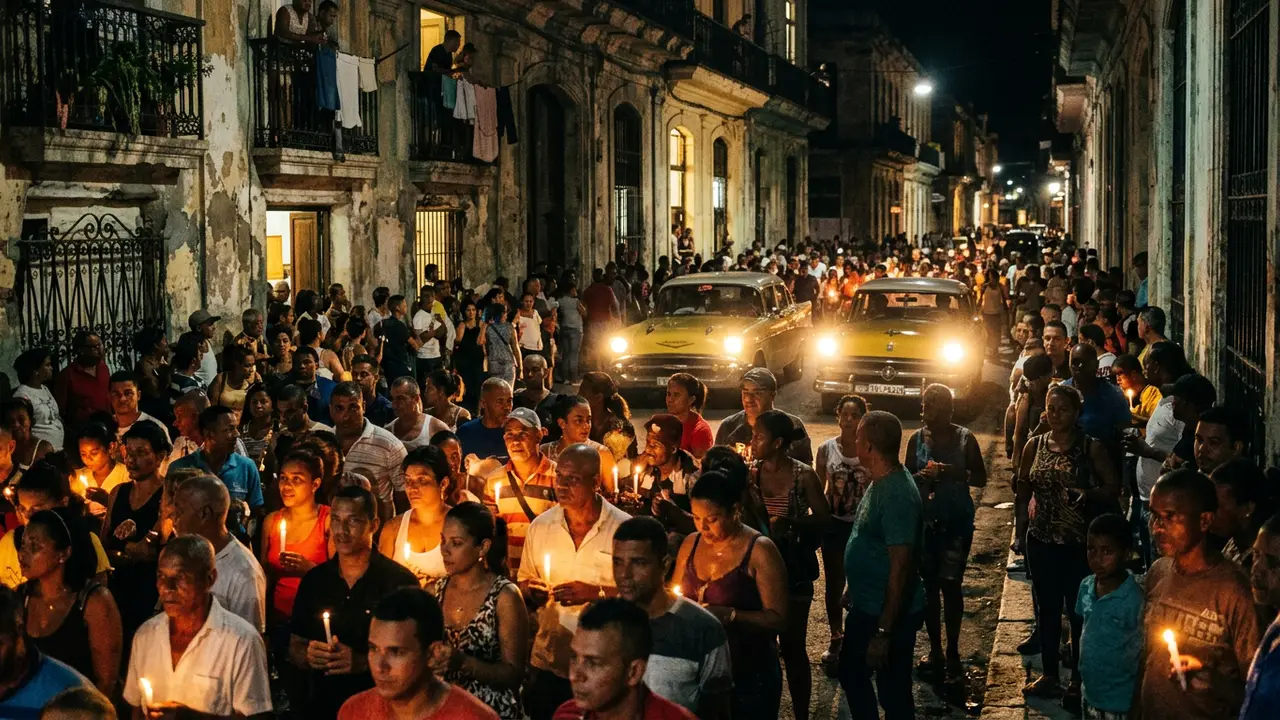
Illustration: Aroma de Cuba (AI)
The perception of economic and social deterioration in Cuba has reached critical levels this March 2026. According to a recent report, eight out of ten Cubans consider the current situation to be more severe than the dreaded “Special Period” of the 1990s.
A Multi-faceted and Unprecedented Crisis
Unlike the 1990s crisis, which was primarily triggered by the fall of the Soviet bloc, the 2026 crisis is characterized by a lethal combination of factors that have brought the country to a standstill:
- Extreme Energy Deficit: With a deficit nearing 2,000 MW, the Electric Union (UNE) fails to cover even 50% of the national demand, causing blackouts of over 18 hours per day.
- Skyrocketing Inflation: The value of the dollar in the informal market has surpassed 510 CUP, pulverizing the purchasing power of state salaries.
- Basic Service Paralysis: Fuel shortages have halted garbage collection in cities like Havana and paralyzed much of public transportation and domestic aviation.
The Psychological Factor: Beyond Scarcity
The report highlights the profound impact on the population’s morale. During the Special Period, a basic public service structure was still functional. Today, the collapse of hospitals and the lack of basic medical supplies have created a sense of total vulnerability.
“In the 90s, we faced hunger and blackouts, but we felt there was a healthcare system looking out for us. Now, if you get sick, there isn’t even aspirin,” said a Santiago de Cuba resident consulted for the study.
Frequently Asked Questions (FAQ)
Why is it said to be worse than the Special Period?
Mainly due to the simultaneous collapse of energy, healthcare, and the currency, combined with an infrastructure that is much more decayed than it was 30 years ago.
What is the current electricity deficit?
Figures close to 2,000 MW are reported, meaning that nearly half the country remains in darkness during peak hours.
How is this affecting food supplies?
The lack of fuel and electricity has broken food distribution chains, driving prices to levels unreachable for most workers.
Which provinces are most affected?
Eastern provinces like Guantánamo, Santiago de Cuba, Holguín, and Granma report the longest blackouts, although Havana is already facing critical outages.
Related Links
- US Dollar Reaches New Record in Cuba: 510 CUP
- Healthcare Emergency: Hospitals on the Brink of Collapse
- Cuba Without Fuel Shipments Safar in 2026
- Cuba Power Crisis: Deficit Nears 2,000 MW This March 4
- Havana Garbage Crisis
Sources: CiberCuba, CNN en Español, Reporte Minero Chile.
How we got here
Background
The first thing we published on this topic.
How Cubans Are Surviving the Fuel Rationing Crisis
Neighbors unite to cook with firewood, power cuts lasting up to 18 hours, and echoes of the Special Period. Testimonies from Havana on the energy crisis.
Cuba Postpones IT Convention 2026 Due to Energy Crisis
Cuba's main technology event, scheduled for March, is indefinitely postponed due to the 'extraordinary situation' facing the country.
Related articles
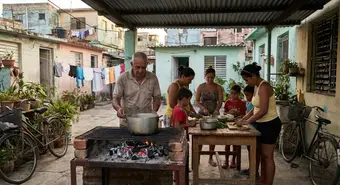
How Cubans Are Surviving the Fuel Rationing Crisis
Neighbors unite to cook with firewood, power cuts lasting up to 18 hours, and echoes of the Special Period. Testimonies from Havana on the energy crisis.

Cuba Power Crisis: Deficit Nears 2,000 MW This March 4
Cuba faces an extreme energy emergency with a projected 1,960 MW deficit, affecting over 60% of the island. Havana reports blackouts lasting over 13 hours.

Cuba Power Crisis: Country in Darkness with a 64% Electricity Deficit
Cuba faces one of the most critical days of 2026 with blackouts affecting 64% of the national territory and a deficit exceeding 2,000 MW.

Zunzún: Cuba President Urges Economic Overhaul Amid Crisis
Miguel Díaz-Canel calls for immediate transformation of Cuba's economic model in March 2026, facing critical power shortages and diplomatic pressure.

Cuba in the Dark: Failure at the Guiteras Plant
Two-thirds of Cuba lose electricity after a breakdown at the Antonio Guiteras power plant. Havana and central provinces suffer critical blackouts.
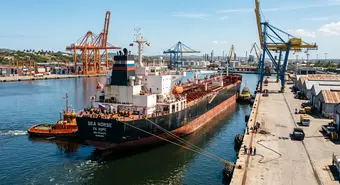
Russian Tanker Sea Horse Arrives in Cuba with Fuel Amid Blackouts
The arrival of the Russian tanker Sea Horse on March 5, 2026, promises relief from the 2000 MW deficit and blackouts affecting 64% of the country.