Border Patrol arrests two Cuban criminals in Florida Keys
Marathon agents arrested two Cubans with extensive records: one with deportation order since 2018, another confessed massive drug trafficking.
4 min read
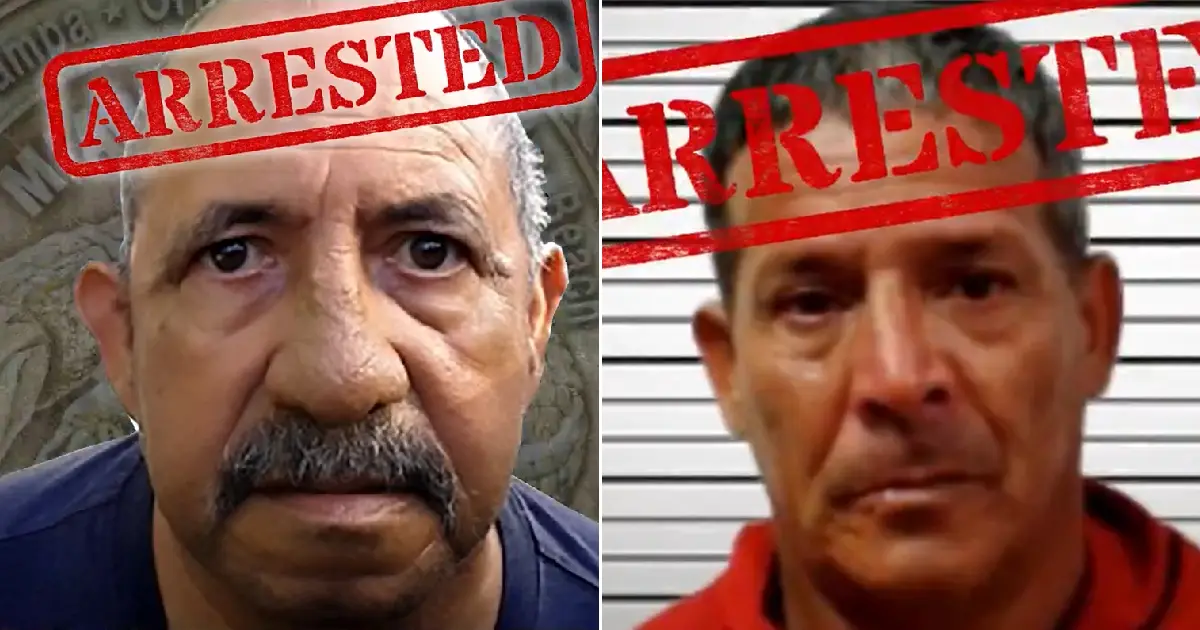
Photo: cubaheadlines.com
The United States Border Patrol (USBP) announced the arrest and deportation of two Cuban nationals in Florida, both deemed dangerous criminals due to their extensive criminal histories. They were residing in the United States illegally, with one having a final removal order issued back in 2018.
Identified only by their first names Javier and José, they were apprehended by agents from the Marathon station in the Florida Keys, as reported by the USBP Miami sector on social media.
Javier: “Violent Offender” with 18 Convictions
Javier, labeled as a “violent offender,” has multiple convictions: eight for aggravated burglary, five for assault, another five for resisting and obstructing police, as well as charges related to cocaine sales near a church or school, according to authorities.
“The Border Patrol agents in Marathon have contributed to making the community a safer place by detaining this Cuban national and violent criminal, who received a final removal order in 2018!”
The deportation order pending since eight years ago illustrates the complexities of the immigration system under previous administrations.
José: Confessed Smuggling 300 Kilograms
Officers from the same USBP division were responsible for arresting José, described as a “dangerous illegal foreign criminal,” who was also deported.
According to official reports, José admitted to smuggling over 300 kilograms of cocaine from Bimini in the Bahamas to the Florida Keys. His criminal record includes convictions for driving under the influence of alcohol or drugs, distributing narcotics (marijuana and cocaine), possession of cocaine, and trafficking in opium and heroin. José served 10 years in federal custody.
Unprecedented Deportation Policy
During Donald Trump’s second term, an unspecified number of Cuban immigrants with criminal records in the United States were deported to third countries, as the Havana regime was reluctant to take back citizens with criminal backgrounds who had been in the U.S. since before 2017.
However, this deportation policy saw an unexpected shift last February when the Cuban government agreed to take back around 50 individuals with criminal records. ICE reported that the first flight to Cuba in 2026 included murderers, kidnappers, rapists, drug traffickers, and other criminals.
The federal agency noted that “although deportation flights to Cuba have been ongoing for some time, the Cuban government was hesitant to accept mass deportation flights from the United States.” However, it added, “under the Trump administration, these repatriation flights are occurring in record numbers.”
Record Deportation Numbers
On March 19, ICE conducted the third deportation flight of Cubans to the island in 2026, returning 117 individuals (89 men and 28 women), according to figures released by Cuba’s Ministry of the Interior (Minint).
With this operation, 1,901 Cuban immigrants residing irregularly in the U.S. have been returned to their home country by the Trump administration since January 2025.
During the two Republican presidential terms, a total of 5,286 Cubans have been expelled, marking a record figure in U.S. history, according to data compiled by Café Fuerte.
Operations Focused on Criminals
The Border Patrol did not specify where the two Cubans were deported to, but the pattern suggests the use of third countries when Cuba does not accept specific individuals.
“Our agents remain committed to protecting our communities and ensuring the safety of our borders”
Immigration authorities emphasize that these operations focus on individuals with serious criminal backgrounds, including violent crimes and large-scale drug trafficking.
Frequently asked questions about Cuban criminal deportations
Why were these two Cuban nationals considered dangerous criminals?
Javier and José were considered dangerous due to their extensive criminal records, including multiple convictions for violent offenses and large-scale drug-related crimes.
What led to the change in Cuba’s deportation policy in February?
In February, the Cuban government unexpectedly agreed to accept around 50 deportees with criminal records, altering its previous reluctance to take back such individuals.
How many Cubans have been deported during the Trump administration?
During the two terms of the Trump administration, a record 5,286 Cuban nationals have been deported from the United States, according to compiled data.
What does a final removal order since 2018 mean?
A final order means the individual has exhausted their legal remedies and must be deported, but diplomatic and logistical complications can delay execution for years.
The cases of Javier and José illustrate the new reality under Trump: zero tolerance for immigrant criminals, regardless of time elapsed since their convictions.
Related Articles
- Cuban deportations reach 427 in 2026 - March 21, 2026
- ICE arrests Cuban with sexual offense history - March 19, 2026
- Direct deportations to Tapachula bypass Havana - March 19, 2026
- Record 5,169 deportations under Trump - March 8, 2026
- Humanitarian crisis affects Cuban migrants - March 7, 2026
Frequently asked questions
Why were these two Cuban nationals considered dangerous criminals?
What led to the change in Cuba's deportation policy in February?
How many Cubans have been deported during the Trump administration?
What does a final removal order since 2018 mean?
How we got here
Background
The first thing we published on this topic.
Cuba Records Second Magnitude 5 Earthquake in Three Days Near Santiago
A 5.0 magnitude tremor shook eastern Cuba, two days after a 5.6 quake in Guantánamo that damaged homes
45,000 Cubans Face Deportation Orders in the US
Some 550,000 Cubans vulnerable under Trump's immigration policies. Separated families and a community under pressure.
Related articles

ICE Deports 117 Cubans: 2026 Total Reaches Historic Levels
The United States deported 117 Cuban migrants on March 19, raising the total deportations in 2026 to 427 people across nine flights from various countries.

US returns 117 Cuban migrants amidst an unstoppable exodus
A new repatriation flight landed in Havana with 117 Cubans, increasing the number of returnees in 2026 as thousands continue to flee the island.

Uruguay hosts record 22,000 Cubans: third-largest destination
Uruguay received a record 26,626 Cuban asylum applications in 2025, becoming the third-largest destination after Brazil and Mexico.

US Deports 117 Cubans to Havana: 2026 Total Reaches 427
A deportation flight returned 117 Cuban migrants to Havana on March 19th, bringing the 2026 total to 427 people across nine operations.
USCIS Resumes Key Immigration Processing for Cubans and Venezuelans
The U.S. Citizenship and Immigration Services (USCIS) reactivates suspended processes, benefiting thousands of Cuban and Venezuelan migrants in the U.S.

USCIS freezes 157,000 Cuban applications: massive legal limbo
Over 157,000 Cubans wait for green cards with applications suspended by Trump. Lawyers prepare massive federal lawsuits to force action.