Trump Suspends Cuban Humanitarian Parole: 300K in Legal Limbo
Administration freezes CHNV program indefinitely, leaving thousands of Cuban families without legal reunification options.
6 min read
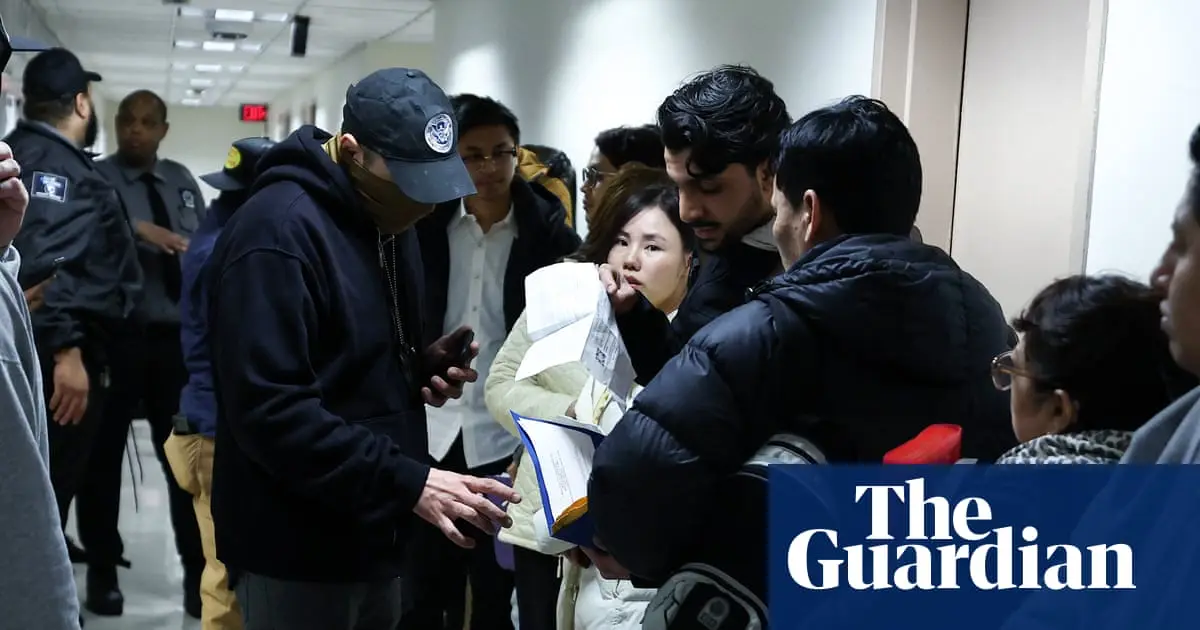
Photo: The Guardian
President Donald Trump’s administration has indefinitely suspended the humanitarian parole program for Cubans, Haitians, Nicaraguans, and Venezuelans (CHNV), leaving over 300,000 Cuban beneficiaries in unprecedented legal limbo.
The measure, implemented in January 2026 under directive PM-602-0194, affects applicants from 75 countries deemed “high risk” by the administration. For the Cuban community, this represents the end of one of the last legal pathways to enter the United States.
What the Suspension Means
Since March 2026, U.S. Citizenship and Immigration Services (USCIS) has frozen all final decisions on humanitarian parole cases. According to confirmed reports:
- Pending applications: Cancelled with no possibility of reactivation
- Work permits: Remain temporarily valid
- New applications: Blocked indefinitely
- Sponsors: Lose fees paid ($575 per case)
“It’s a complete breakdown of the system that allowed Cuban families to reunite legally,” explains attorney Claudia Cañizares, who represents hundreds of affected individuals. “Thousands of sponsors have lost not only their money, but hope of helping their relatives.”
Impact on Families
María González, a Miami resident, spent over $4,000 trying to bring her sister from Havana. “I had been waiting for two years. Now they tell me everything is cancelled. My sister lives with 16 hours of daily blackouts and I can’t do anything.”
The CHNV program had allowed approximately 75,000 Cubans to enter since its implementation in October 2022. With a quota of 1,000 people monthly, it represented the main legal avenue to escape Cuba’s energy and economic crisis.
Cases like González’s repeat throughout Florida:
- Desperate sponsors: Have lost thousands in fees
- Separated families: Without legal reunification alternatives
- Beneficiaries in Cuba: Face increasingly difficult survival conditions
- Minors: Left without family protection in the process
Limited Alternatives
With humanitarian parole suspended, options for Cubans are drastically reduced:
- Cuban Adjustment Act: Requires physical arrival on U.S. territory
- Asylum process: Years-long waiting times and limited approvals
- Family visas: Extremely slow processing
- CBP One: Also suspended under the new administration
“The reality is we’ve closed virtually all legal pathways,” warns migration analyst Roberto Valdés. “This will only push more people to risk their lives in maritime crossings.”
Context of the Cuban Crisis
The suspension occurs while Cuba experiences its worst energy crisis in decades:
- 16 daily hours of blackouts on average
- 90% reduction in oil supplies due to Trump’s blockade
- 340% increase in dangerous maritime crossings
- Unsustainable conditions of life without electricity, water, or food
The Cuban government recently released 51 political prisoners after a Trump ultimatum, but deportations continue: 427 Cubans have been sent back to the island in 2026.
Economic and Social Impact
The humanitarian parole suspension has consequences beyond directly affected families:
In the United States:
- Economic loss: Sponsors have invested millions in non-refundable fees
- Legal sector: Specialized firms report income collapse
- Communities: Breakdown of established family support networks
In Cuba:
- Demographic pressure: Impossibility of legal emigration increases internal tensions
- Humanitarian crisis: Families without hope of reunification
- Dangerous crossings: Increase in illegal sea departure attempts
Legal Perspectives
Several immigration law firms have initiated federal lawsuits questioning the suspension’s legality. Attorney Claudia Cañizares leads a class action arguing:
- Due process violation: Cancellation without hearing
- Irreparable economic damage: Loss of fees paid
- Family separation: Against constitutional principles
- Retroactivity: Application to cases already in process
“We’re facing a massive violation of fundamental rights,” maintains Cañizares. “The administration cannot arbitrarily cancel processes that families initiated in good faith.”
What Affected Individuals Can Do
For those with pending humanitarian parole cases:
- Document expenses: Keep records of all fees paid
- Contact representatives: Pressure for legislative solutions
- Explore alternatives: Consult about other migratory options
- Join lawsuits: Participate in collective legal actions
- Prepare documentation: For when the program is restored
Help Resources:
- Cañizares Law Firm: (305) 680-0036
- American Immigration Lawyers Association: specialized counseling
- Community organizations: Cuban American Bar Association
Political Reactions
The measure has generated criticism from both Democrats and some Florida Republicans. Senator Rick Scott declared that “separating Cuban families is not the answer to the migration problem.”
Marco Rubio, meanwhile, defended the measure as “necessary for national security,” although he admitted “there must be a more humane process.”
Human rights organizations have called the suspension “inhumane” and “counterproductive,” noting it will push more people to risk their lives at sea.
Uncertain Future
Without a restoration date for the program, Cuban-American families face an uncertain future. The Trump administration has indicated the suspension will continue until “exhaustive national security reviews” are completed.
For the 300,000 affected Cuban beneficiaries, this means family reunification is indefinitely postponed. On an island where living conditions deteriorate daily, the humanitarian parole suspension represents more than a policy change: it’s a developing humanitarian crisis.
The question now is whether legal, political, and humanitarian pressures will be sufficient to force reconsideration of this measure, or if Cuban families must seek increasingly dangerous alternatives to stay together.
Legal Challenges Ahead
Multiple legal challenges are emerging across federal courts:
Key Arguments:
- Constitutional violations: Fifth Amendment due process rights
- Economic damages: Sponsors seeking class action compensation
- Administrative overreach: Questioning USCIS authority to unilaterally cancel
- International law: Violation of family unity principles
The American Civil Liberties Union (ACLU) has joined several cases, arguing the suspension violates international human rights standards. “This administration is weaponizing bureaucracy against vulnerable families,” stated ACLU immigration attorney Sarah Henderson.
Congressional Response
House Democrats have introduced the “Family Unity Protection Act” to restore humanitarian parole programs. However, with Republican majorities in both chambers, passage appears unlikely.
Congressional Hispanic Caucus members are pressuring for hearings on the suspension’s humanitarian impact. Representative Alexandria Ocasio-Cortez called it “state-sanctioned family separation.”
International Implications
The suspension has strained U.S. relationships with Latin American allies who now face increased migration pressure. Mexico’s President Claudia Sheinbaum criticized the measure as “pushing the crisis onto neighboring countries.”
Costa Rica and Panama report surge in Cuban asylum seekers, straining their already overwhelmed systems. Brazil and Uruguay, already hosting record numbers of Cuban refugees, face additional pressure.
Community Response
Cuban-American organizations across Florida are mobilizing:
- Cuban American National Foundation: Lobbying for policy reversal
- Directorio Democrático Cubano: Organizing community protests
- Miami-Dade Cuban mayors: Joint statement opposing suspension
Churches and community centers are providing legal clinics for affected families. The Catholic Archdiocese of Miami has opened emergency funds for families facing economic hardship due to lost fees.
Frequently Asked Questions
Can money paid for applications be recovered? No established mechanism exists for refunds, but legal lawsuits seek compensation for those affected.
Do work permits remain valid? For now yes, but the administration can revoke them at any time.
Are there alternatives to bring relatives from Cuba? Options are very limited: family visas with years of waiting, or asylum processes after physical arrival.
When could the program be restored? There’s no official timeline. It depends on “security reviews” and possible changes in migration policy.
How we got here
Background
The first thing we published on this topic.
Nicaragua Closes the Door: Ends Visa-Free Entry for Cubans
Nicaragua ends visa-free entry for Cuban citizens, closing one of the main migration routes to the United States.
Cuba Records Second Magnitude 5 Earthquake in Three Days Near Santiago
A 5.0 magnitude tremor shook eastern Cuba, two days after a 5.6 quake in Guantánamo that damaged homes
Related articles

Nursing Mothers Deported: Cruel Separation Under Trump
Heidy Sánchez's case—a Cuban mother separated from her nursing baby during deportation—exposes the humanitarian crisis of family separation.
ICE detains Cuban families in NYC: separates parents and children
ICE detains Cuban families in New York, including nursing mothers and minors, raising deportations to record levels in 2026.

ICE Eyes Deportation of Florida Cubans with Serious Criminal Records
Federal agencies ramp up operations against Cuban immigrants with violent crimes. Discover the details of the recent Ice arrests in Florida.
Supreme Court debates asylum policies affecting Cuban migrants
Justices consider if Trump can revive border policies that could deny asylum opportunities to thousands of Cuban refugees.

Asylum Denied for 5-Year-Old: Troubling Precedent for Cuban Families
Judge denies asylum to child detained by ICE in Minneapolis. Case highlights challenges facing Cuban and other migrant families.
ICE Deports 117 Cubans: 2026 Total Reaches Historic Levels
The United States deported 117 Cuban migrants on March 19, raising the total deportations in 2026 to 427 people across nine flights from various countries.