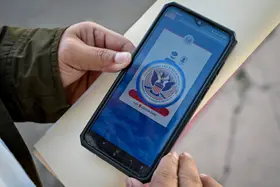
Asylum, parole and I-220A
This page gathers Aroma de Cuba's coverage of the legal routes open to Cubans in the United States: asylum claims and their hearings, humanitarian parole, the I-220A form, and the Cuban Adjustment Act. It follows the administrative changes and court decisions that have reshaped each of those routes.
142 articles on Asylum, parole and I-220A · Updated
Paused
No new coverage since April 8, 2026.
Timeline
What we have published on this story, newest first.
- Judge Blocks CBP One Termination: 900,000 Migrants Regain Protection
- ICE Arrests Three Cubans with Serious Criminal Records in Florida
- TSA-ICE Airport Collaboration: 800+ Arrests After Data Sharing
- Migration Limbo: Nearly 6,000 Cubans Deported to Mexico
- Record 403 Cubans Deported in 2026: Trump Figures Alarm Community
- ICE Arrests Cuban in New Jersey After Federal Prison Release
- ICE Arrests Three Cubans with Criminal Records in Florida
- Trump: 157,000+ Cuban Applications Frozen as Adjustment Act Crumbles
- Roberto Carlos Herrera shines at Cuba International Badminton
- Cuban Resident Arrested at Miami Airport After Cuba Trip
- Florida Cubans Fear Loss of Special Privileges Under Trump
- Cuban Woman Detained in Tennessee Despite Legal Adjustment Process
- Cuban Rafter Detained in Tennessee Despite Adjustment Act Process
- Cuba Dominates Central American Judo Cup in Panama 2026
- FBI Mission Arrives in Cuba to Investigate Florida Speedboat Shooting
- Federal Judge Orders Parole Restoration for Cuban CBP One Migrants
- Federal Judge Blocks Trump CBP One Parole Termination for Migrants
- ICE Arrests Cuban Resident at Miami After Cuba Trip
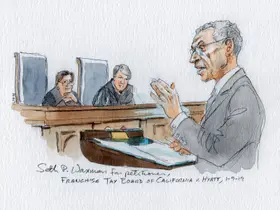
- Supreme Court debates 'arrives in' US: asylum future at stake
- Cuban Mother Detained by ICE After Family Trip to Cuba
Coverage
Wednesday, April 8, 2026


Tuesday, April 7, 2026

Monday, April 6, 2026

Sunday, April 5, 2026

Saturday, April 4, 2026

Friday, April 3, 2026




Thursday, April 2, 2026
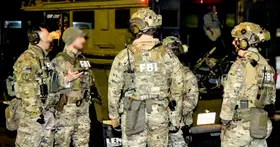
Wednesday, April 1, 2026
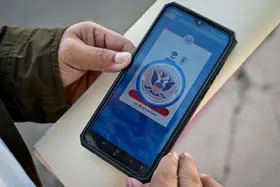

Tuesday, March 31, 2026


Monday, March 30, 2026
Sunday, March 29, 2026
Frequently asked questions
What is the Cuban Adjustment Act and what protection does it offer in 2026?
The Cuban Adjustment Act (CAA), enacted in 1966, allows Cubans who were formally admitted or paroled into the U.S. and have been physically present for at least one year and one day to apply for permanent residency (a green card). It is a unique privilege that exists for no other nationality. In 2026, however, it faces serious limitations due to Trump's policies and the ongoing legal controversy over the I-220A document.
Can a Cuban with an I-220A form use the Cuban Adjustment Act?
Currently, NO. In 2022, DHS argued in court that the I-220A (Order of Release on Recognizance) is not equivalent to the formal parole the CAA requires. In 2023, a federal appeals court ruled in the government's favor, closing that door for approximately 500,000 Cubans. However, multiple lawsuits — including a class action led by Miami attorney Mark Prada — are seeking court recognition of I-220A as equivalent to parole. The situation remains under active litigation.
Which Cubans are being deported despite the Cuban Adjustment Act?
Those with serious criminal records (aggravated felonies such as murder, kidnapping, drug trafficking, major fraud) lose CAA protection and become deportable. Also vulnerable are people who entered without inspection, those with I-220A who lack formal parole, and those with final deportation orders. The 302 Cubans deported in the first two months of 2026 largely fell into these categories.
What options does a Cuban in the U.S. have if they don't qualify for the Cuban Adjustment Act?
It depends on each case. Alternatives include: applying for asylum if there is documented political, religious, or identity-based persecution; requesting an immigration waiver if more than 15 years have passed since a qualifying conviction without reoffending; obtaining humanitarian parole; or being petitioned by a U.S. citizen or permanent resident family member. In all cases, consulting an immigration attorney is essential before taking any action.
How did the fake immigration law firm scam work?
The fraudsters created a firm called 'CM Bufete de Abogados Consultoría Migratoria' and recruited victims primarily through Facebook. They charged hundreds to thousands of dollars and then staged fake asylum interviews and court hearings via video call, wearing judicial robes and law enforcement uniforms and displaying DHS flags and USCIS signs in the background to appear official.
Related topics
Follow this story
Subscribe to this topic's feed, or copy its address.
Topic RSS feed
https://aromadecuba.com/en/rss/topics/asilo-parole-i220a.xml