Cuban Healthcare Crisis: Regional Withdrawal of Medical Brigades
Cuba denounces U.S. pressure as Honduras and Jamaica end healthcare agreements with the island during the 2026 crisis.
3 min read
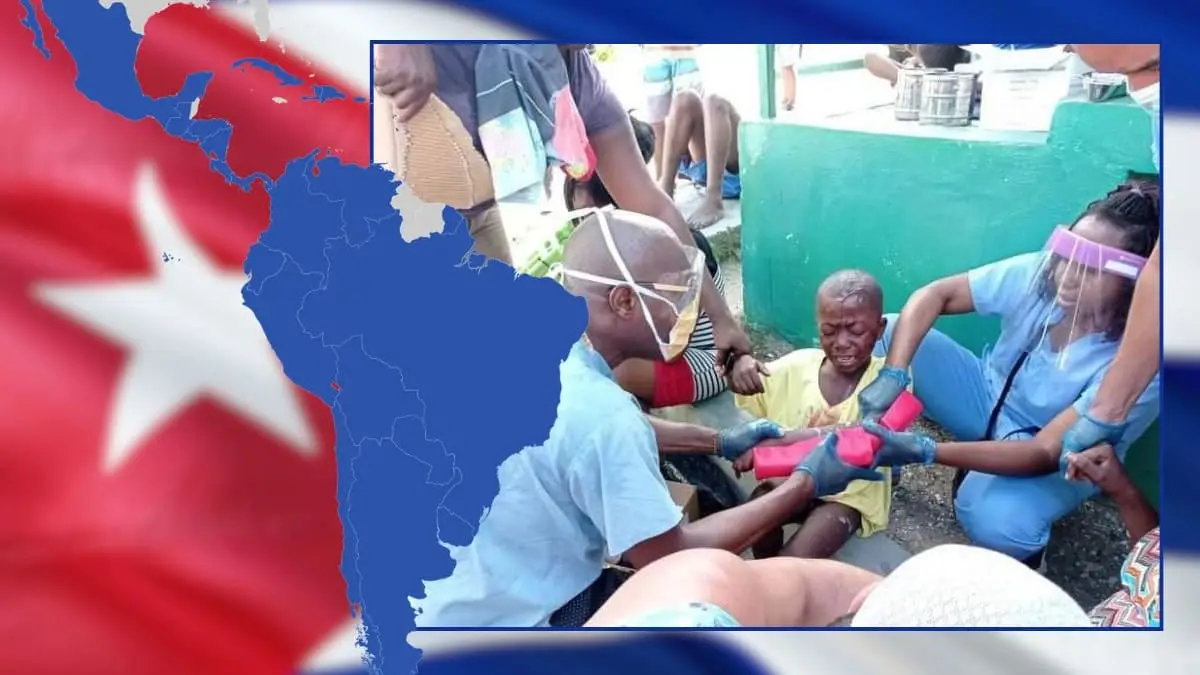
Photo: elimparcial.com
The export of medical services, for decades the primary source of foreign currency for the Cuban government, is facing its deepest crisis in March 2026. In a series of linked decisions, several governments in Latin America and the Caribbean have announced the end of their health agreements with Cuba, leading to the return of thousands of professionals to an island mired in an unprecedented energy and economic emergency.
The Domino Effect in the Region
Since the beginning of March, the diplomatic landscape for medical brigades has become increasingly complicated. Countries such as Honduras and Jamaica have been the latest to join the list of nations not renewing their cooperation contracts with Havana. In Honduras, the last groups of Cuban doctors are expected to leave the country in the coming days after no agreement was reached to extend services provided in rural areas.
Cuban Foreign Minister Bruno Rodríguez Parrilla denounced via social media what he described as “fierce pressure and blackmail” by the U.S. government. According to Havana, the Trump administration is using economic incentives and sanctions to force regional allies to break ties with the Cuban medical program.
Economic and Humanitarian Impact
For Cuba, the loss of these contracts represents a devastating blow to its finances. Revenue generated by doctors abroad typically exceeds $6 billion annually, far surpassing tourism. In the context of the 2026 Cuban Crisis, where fuel shortages and blackouts of up to 20 hours a day have paralyzed national industry, this cash flow was vital for importing food and basic medicines.
On the other hand, returning professionals find a collapsed national healthcare system. Shortages of basic medical supplies in Cuban hospitals and the lack of electricity have diminished the island’s capacity for care, creating an ironic contrast for those returning from providing services abroad.
Frequently Asked Questions (FAQ)
How many Cuban doctors are returning to the island?
It is estimated that over 3,000 health professionals will return during March 2026 due to the cancellation of agreements in at least four countries in the region.
Why are countries cancelling the contracts?
While Cuba alleges external political pressure, some governments have cited local budget constraints and the need to prioritize hiring national personnel amidst their own economic difficulties.
What will happen to health services in Cuba?
The national system is facing a critical crisis. Despite the return of qualified personnel, the lack of basic medicines and constant failures in the power supply severely limit any improvement in hospital care.
How does this affect the Cuban economy?
It is a direct hit to its main source of income. The reduction in foreign currency will further hinder the state’s ability to buy oil on the international market, worsening the current energy crisis.
Related Links
- European humanitarian aid arrives in Cuba amid energy crisis
- Two ships with Russian oil sail to Cuba
- Medicine crisis in Cuba: informal market takes control
- Protesters detained in Cuba after protests identified
- How to send medicines to Cuba from abroad?
Sources: El Imparcial, NPR, UPI News
Sources
- El Imparcial · elimparcial.com
- NPR · npr.org
- UPI News · upi.com
How we got here
Background
The first thing we published on this topic.
Cuba Postpones IT Convention 2026 Due to Energy Crisis
Cuba's main technology event, scheduled for March, is indefinitely postponed due to the 'extraordinary situation' facing the country.
Cuba Emergency: Universities Closed, 4-Day Work Week
The Cuban government closes universities, reduces school hours, limits hospital surgeries, and shortens the work week amid the fuel crisis.
Related articles
277 Cuban Doctors Return Home as Agreement with Jamaica Ends
After nearly 50 years of cooperation, Jamaica terminates its health agreement with Cuba, resulting in the return of 277 medical professionals.
Sudden Drop of MLC in Cuba: Volatility in Informal Currency Market
The price of the Moneda Libremente Convertible (MLC) falls to 385 CUP in Cuba's informal market, its lowest level since early March.
Gasoline in Havana Reaches 4,000 CUP per Liter on the Black Market
Extreme fuel shortages in Cuba drive prices sky-high on the black market, where a liter of gasoline is now trading for 4,000 Cuban pesos.
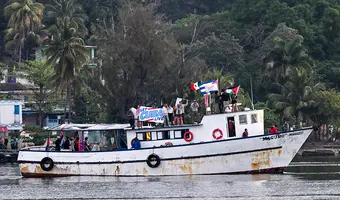
First Humanitarian Ship Arrives in Cuba from Mexico Amid Oil Embargo
The 'Granma 2.0' vessel docked at Havana Harbor with humanitarian aid and medical supplies, defying the worsening energy crisis on the island.
Cuba Opens Private Fuel Imports Amid Energy Collapse
Faced with a 2,000 MW deficit and state failure, Cuban private enterprises begin importing petroleum under the oversight of Trump and Díaz-Canel.
Russian Tanker Anatoly Kolodkin: Spy Fears and Tension in Cuba
The arrival of the Anatoly Kolodkin with Russian oil in Cuba sparks intelligence alerts in Washington over the Kremlin's spy operations and the Lourdes base.