Russian Tanker Anatoly Kolodkin: Spy Fears and Tension in Cuba
The arrival of the Anatoly Kolodkin with Russian oil in Cuba sparks intelligence alerts in Washington over the Kremlin's spy operations and the Lourdes base.
3 min read
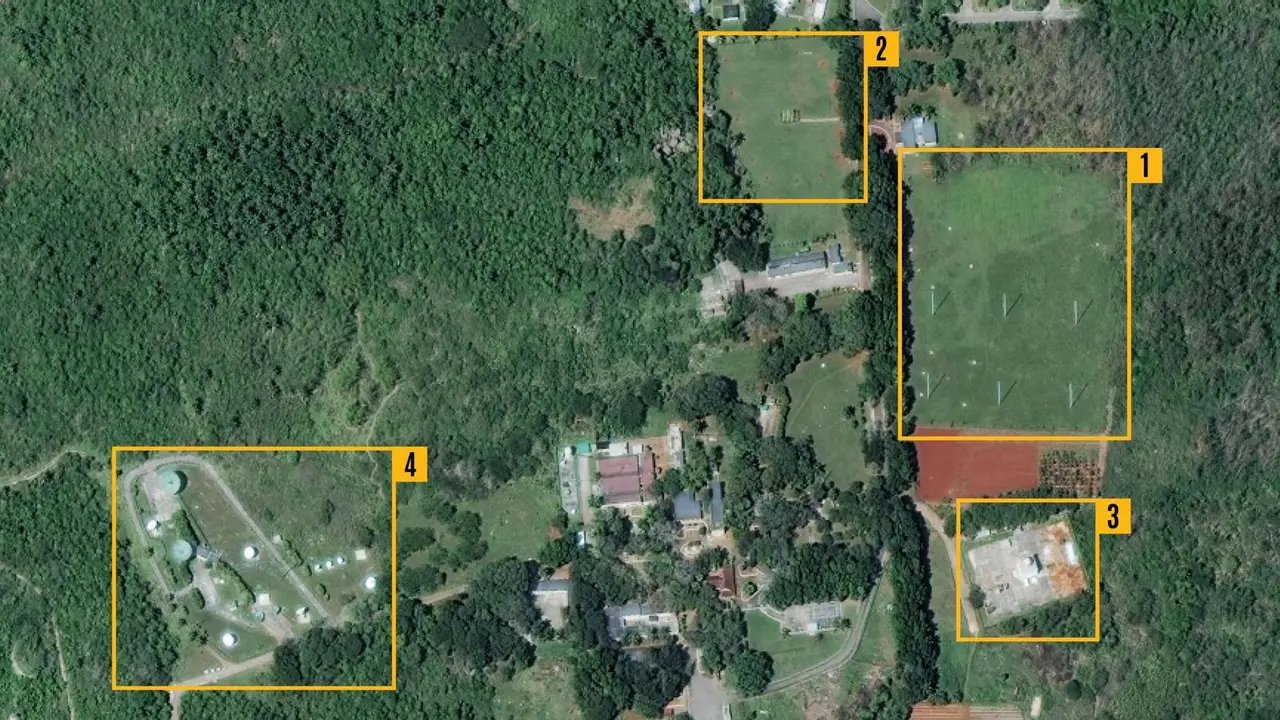
Photo: 14ymedio
The imminent arrival of the Russian oil tanker Anatoly Kolodkin in Cuban waters is not just a temporary relief for the island’s suffocating energy crisis. For Washington, this move represents a direct challenge to the Trump administration’s pressure policy and has once again highlighted the Kremlin’s espionage capabilities on a strategic platform just 90 miles from the United States.
A Tanker Under Scrutiny
The Anatoly Kolodkin carries approximately 730,000 barrels of crude oil, loaded at the Russian port of Primorsk. While the fuel supply is vital for a National Electric System (SEN) that frequently collapses, intelligence analysts and outlets like The New York Times suggest that the tanker’s role could go beyond energy logistics.
Concerns focus on whether these supply missions also serve to mask or facilitate operations at Russian intelligence centers in Cuba, such as the iconic Lourdes base.
The Ghost of the Lourdes Base
Officially closed almost 25 years ago and reopened by Vladimir Putin in 2014, the Lourdes base has been mentioned again in recent reports. This signals intelligence (SIGINT) center, along with growing intelligence facilities attributed to China on the island, turns Cuba into a focal point for surveillance against the United States in the Caribbean.
The U.S. administration maintains that the Cuban regime allows these military and intelligence capabilities in exchange for strategic supplies, justifying, according to the White House, the tightening of sanctions and the partial energy blockade implemented earlier this year.
Frequently Asked Questions (FAQ)
1. How much oil is the Anatoly Kolodkin carrying? The vessel carries about 730,000 barrels of Russian crude, which could support electricity generation in Cuba for a limited period.
2. Why does this tanker worry the United States? Beyond the oil, it is suspected that these movements strengthen the Russian military and intelligence presence in Cuba, challenging U.S. national security.
3. What is the Lourdes base? It is a signals intelligence facility near Havana that allowed the Soviet Union, and now Russia, to intercept communications within U.S. territory.
4. How does this affect the energy crisis in Cuba? While the oil helps in the short term, dependence on Russian and Chinese supplies amid a de facto embargo creates extreme vulnerability in the Cuban power grid.
Context and Related Content
This event is part of a series of recent occurrences defining Cuba’s tense reality:
- The recent fuel shipment from U.S. providers to the private sector marks a notable difference between supporting citizens and the regime.
- The National Electric System crisis continues to cause massive blackouts lasting over 12 hours.
- Oil tankers flying the Russian flag are now the primary lifeline for state power plants.
Sources: The New York Times, 14ymedio, CNN en Español.
Sources
- The New York Times · nytimes.com
- 14ymedio · 14ymedio.com
- CNN en Español · cnnespanol.cnn.com
How we got here
Background
The first thing we published on this topic.
How Cubans Are Surviving the Fuel Rationing Crisis
Neighbors unite to cook with firewood, power cuts lasting up to 18 hours, and echoes of the Special Period. Testimonies from Havana on the energy crisis.
Cuba Postpones IT Convention 2026 Due to Energy Crisis
Cuba's main technology event, scheduled for March, is indefinitely postponed due to the 'extraordinary situation' facing the country.
Related articles
Russian Fuel Tanker for Cuba Changes Course After U.S. Sanctions
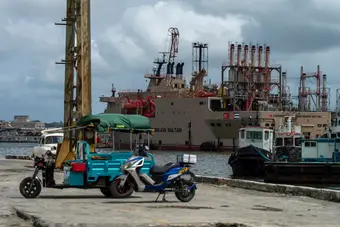
The tanker Sea Horse, carrying 200,000 barrels of Russian diesel, diverted to Trinidad following pressure from Washington, worsening Cuba's energy crisis.

Russian Fuel Arrives in Cuba Amidst Total Energy Crisis
The Russian tanker Anatoly Kolodkin arrives in Cuba with 730,000 barrels of oil, offering temporary relief from massive blackouts.
U.S. Escalates Embargo: OFAC Bans Russian Oil Imports to Cuba
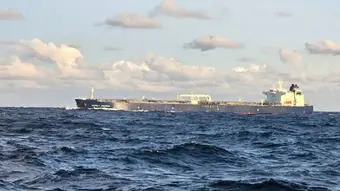
The Treasury's OFAC blocks Russian fuel routes to Cuba, worsening an energy crisis that has already caused six massive blackouts.
Russian Tankers Defy U.S. Blockade with Fuel Bound for Cuba
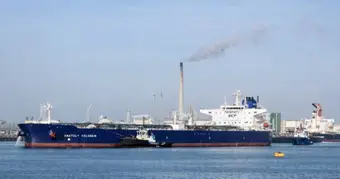
Two vessels, the Sea Horse and Anatoly Kolodkin, are racing to the island with crude and diesel as Cuba faces its worst power crisis in decades.
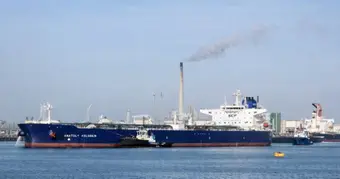
Russian tankers sail to Cuba with 1 million barrels of oil
The Anatoly Kolodkin and Sea Horse tankers are en route to Cuba, challenging the energy blockade and aiming to halt record-breaking blackouts.
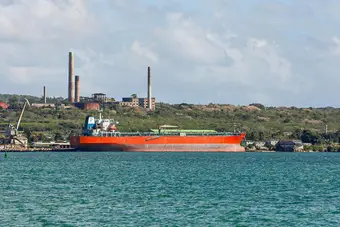
Russia sends second oil tanker to Cuba to ease energy crisis
A second shipment of Russian crude sets sail for the island to break the energy blockade and mitigate the massive blackouts affecting the country.