Pentagon Denies Military Invasion Plans for Cuba
High-ranking U.S. military command dismisses rumors of intervention in Cuba amid rising diplomatic tensions and the current energy crisis.
3 min read
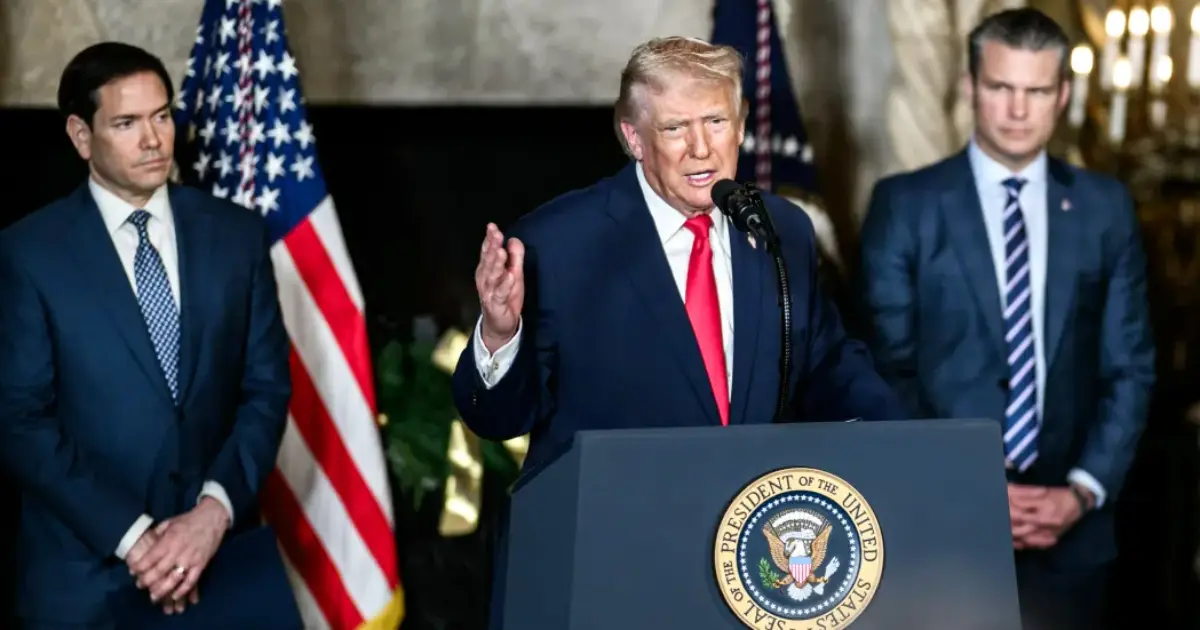
Photo: CiberCuba
At a time of maximum diplomatic tension and internal crisis in Cuba, the Pentagon has moved to quash rumors concerning a potential military intervention. The head of the U.S. Southern Command informed lawmakers this Thursday that the armed forces are not rehearsing an invasion or actively preparing to take military control of the island.
The statement comes after weeks of speculation fueled by Cuba’s energy collapse and the start of direct dialogue between the Donald Trump administration and the government of Miguel Díaz-Canel. While Washington maintains a posture of maximum pressure, the current priority appears to be diplomatic negotiation under strict conditions.
Clarity Amid Uncertainty
Rumors of a “military option” had gained traction on social media following massive blackouts and protests in cities like Havana and Morón. However, high-ranking military officials emphasized that their focus remains on regional security and monitoring foreign influence, specifically from Russia and China, on Cuban territory.
Experts agree that these statements are intended to calm nerves as bilateral talks, recently confirmed by Díaz-Canel, move forward. Washington has made it clear that any sanctions relief will depend on concrete steps toward internal reforms and the release of prisoners.
Impact on the Cuban Population
For the average Cuban, the news brought some relief from the fear of an armed conflict, although the day-to-day crisis continues. Fuel shortages and power outages lasting up to 18 hours per day remain the primary concern across the island.
Despite denying invasion plans, the Pentagon has not ruled out contingency scenarios if the humanitarian crisis on the island spills over, which will keep both nations in a state of constant vigilance.
Frequently Asked Questions (FAQ)
1. What exactly did the Pentagon say about Cuba? The Southern Command head stated that the U.S. military is not conducting invasion rehearsals and has no active plans to militarily intervene on the island at this time.
2. Why did rumors of an invasion arise? Due to the worsening of the energy crisis in Cuba, popular protests, and the hardening of diplomatic rhetoric between both governments during March 2026.
3. What is the current state of U.S.-Cuba relations? There is an open dialogue channel confirmed by Díaz-Canel on March 13, although Washington maintains severe sanctions and demands political changes in exchange for flexibility.
4. What role do Russia and China play in this context? The U.S. views with concern the presence of listening posts and oil interests from these world powers in Cuba, which influences the Pentagon’s national security strategy.
Recommended Internal Links
- Trump and Díaz-Canel: Dialogue toward a historic deal
- Vatican Mediation: Prisoner release in Cuba
- Energy Crisis: Blackouts exceed 1,800 MW
- Washington’s Ultimatum to Havana
- Protests in Morón over power outages
External Sources Consulted
How we got here
Background
The first thing we published on this topic.
How Cubans Are Surviving the Fuel Rationing Crisis
Neighbors unite to cook with firewood, power cuts lasting up to 18 hours, and echoes of the Special Period. Testimonies from Havana on the energy crisis.
Cuba Postpones IT Convention 2026 Due to Energy Crisis
Cuba's main technology event, scheduled for March, is indefinitely postponed due to the 'extraordinary situation' facing the country.
Related articles
Russian Tanker Anatoly Kolodkin: Spy Fears and Tension in Cuba
The arrival of the Anatoly Kolodkin with Russian oil in Cuba sparks intelligence alerts in Washington over the Kremlin's spy operations and the Lourdes base.
Cuba Opens Private Fuel Imports Amid Energy Collapse
Faced with a 2,000 MW deficit and state failure, Cuban private enterprises begin importing petroleum under the oversight of Trump and Díaz-Canel.

Russian Fuel Arrives in Cuba Amidst Total Energy Crisis
The Russian tanker Anatoly Kolodkin arrives in Cuba with 730,000 barrels of oil, offering temporary relief from massive blackouts.

Sudden Drop of MLC in Cuba: Volatility in Informal Currency Market
The price of the Moneda Libremente Convertible (MLC) falls to 385 CUP in Cuba's informal market, its lowest level since early March.

Cuban Healthcare Crisis: Regional Withdrawal of Medical Brigades
Cuba denounces U.S. pressure as Honduras and Jamaica end healthcare agreements with the island during the 2026 crisis.

Trump to Cuba: 'Let's reach a deal before it's too late'
Donald Trump ramps up pressure on Cuba by blocking oil tankers while proposing a deal to avoid a humanitarian and migration collapse.