Washington's Ultimatum to Cuba: Trump Demands Changes by Late 2026
The Trump administration warns the Díaz-Canel government to implement deep democratic changes by the end of 2026.
2 min read
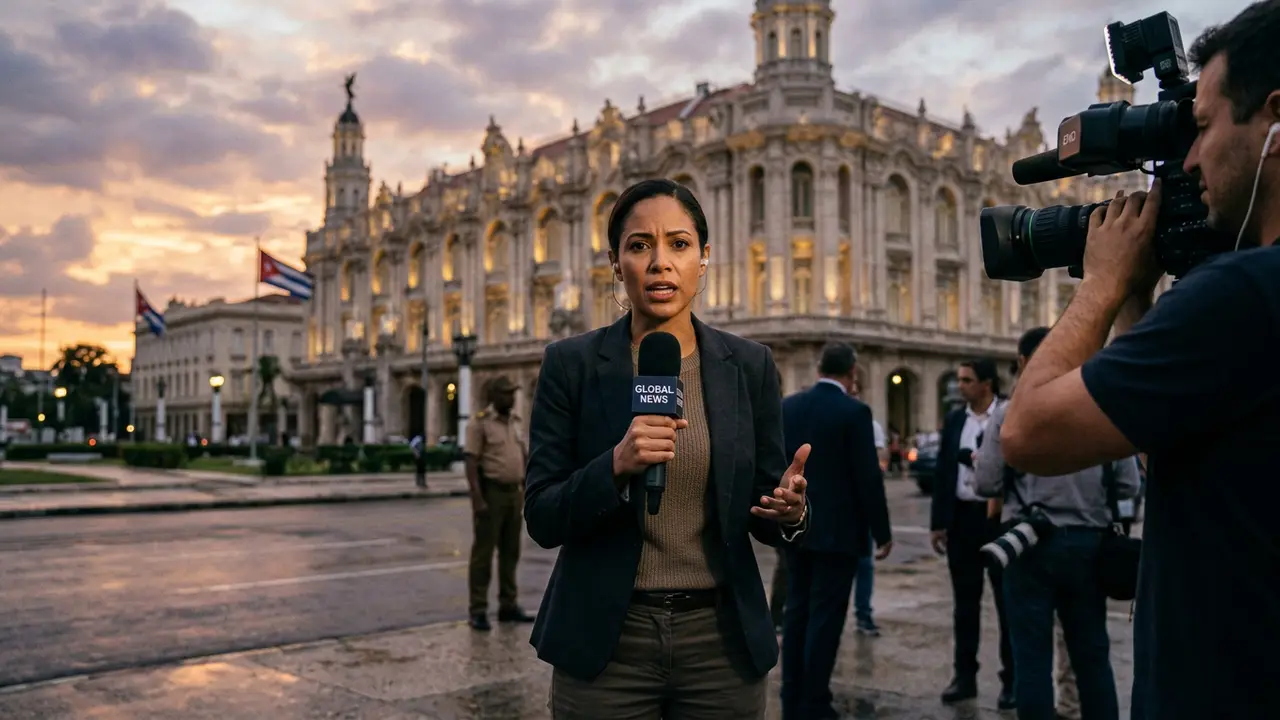
Illustration: Aroma de Cuba (AI)
The administration of President Donald Trump has ramped up its pressure on the Cuban government, issuing an ultimatum that demands “dramatic and democratic changes” on the island by the end of 2026. This new escalation in bilateral relations comes amid one of the most severe economic crises Cuba has faced in decades.
Pressure from the White House
White House spokesperson Karoline Leavitt confirmed that Washington’s goal is to see prosperous democracies in the hemisphere. President Trump himself has urged Miguel Díaz-Canel to strike a “deal” before it’s “too late,” linking the regime’s stability to the implementation of profound reforms.
Havana’s Reaction
Cuban Foreign Minister Bruno Rodríguez has condemned these measures, calling them “blackmail and extortion.” According to the island’s government, these actions represent a violation of national sovereignty and seek to impose an external dictate over Cuba’s resources and politics.
Regional Context
This ultimatum comes shortly after similar actions directed toward other countries in the region, suggesting a more assertive U.S. foreign policy in Latin America. The international community is watching cautiously, while countries like Spain and Mexico analyze the impact of these potential sanctions and pressures.
Frequently Asked Questions
1. What exactly does the U.S. ultimatum to Cuba demand? Washington is calling for structural changes in the island’s political and economic model, oriented toward multi-party democracy and a market economy, with a deadline set for late 2026.
2. What has been Miguel Díaz-Canel’s official response? While direct statements have been limited, the diplomatic apparatus led by Bruno Rodríguez has categorically rejected any interference, maintaining a stance of resistance.
3. How does this affect the current Cuban economy? Political uncertainty aggravates an already precarious economic situation, marked by frequent blackouts, fuel and food shortages, and an unstable informal exchange rate system.
4. What role do other countries like Spain or Russia play? Russia continues to send critical supplies like fuel, while Spain finds itself in a delicate position following threats of trade sanctions from the U.S. related to its diplomatic stance.
Related Links
- Mexico’s Aid Arrives in Cuba with Food
- Russian Tanker Sea Horse Arrives in Cuba with Fuel
- Urgent Changes in Cuba’s Economic Model
- Failure at the Antonio Guiteras Power Plant Causes massive blackout
- CUJAE Students Protest in Havana
Sources: BBC News Mundo, CiberCuba, Wikipedia
Sources
- BBC News Mundo · bbc.com
- CiberCuba · en.cibercuba.com
- Wikipedia · es.wikipedia.org
How we got here
Background
The first thing we published on this topic.
Fernández de Cossío: Cuba Open to US Dialogue, No Talks Yet
The Cuban Vice Minister of Foreign Affairs clarifies Havana's position amid Trump's claims about alleged bilateral negotiations.
Washington Demands Havana Stop Repudiation Acts Against Mike Hammer
The State Department demands Cuba cease 'repressive acts' against the American diplomat and calls the Cuban government an 'illegitimate regime.'
Related articles
Vatican Mediation: Cuba to Release 51 Prisoners
The Cuban government announces the release of 51 prisoners following Vatican mediation, amid rising tensions with Washington.
US and Cuba: Toward a Full Reopening of Flights in 2026
Negotiations between Washington and Havana could release all commercial flights to the island amidst Cuba's energy crisis.
Cuban Security Forces Leave Venezuela Under US Pressure
Cuban military advisers and doctors are exiting Venezuela as Delcy Rodriguez yields to Washington's pressure, according to a Reuters exclusive.
US Pressure Leads Countries to Cancel Cuban Medical Missions in 2026
Bahamas, Guyana, and Guatemala suspend contracts with Cuban doctors under Washington's pressure. Rubio calls the program forced labor.
Mexico Confirms Talks to Mediate Between the U.S. and Cuba
President Sheinbaum reveals active discussions on Mexico facilitating dialogue between Washington and Havana amid deepening crisis.
Cuba Refuses to Negotiate Miguel Díaz-Canel's Presidency with Trump
The Cuban government declares that President Miguel Díaz-Canel's position is not a subject for negotiation in ongoing talks with the U.S.