Noem Revokes Protections for 500,000 Cuban Migrants: Final Blow
Kristi Noem eliminates humanitarian parole protections for half a million Cuban, Haitian, Nicaraguan, and Venezuelan migrants in her controversial DHS tenure.
4 min read
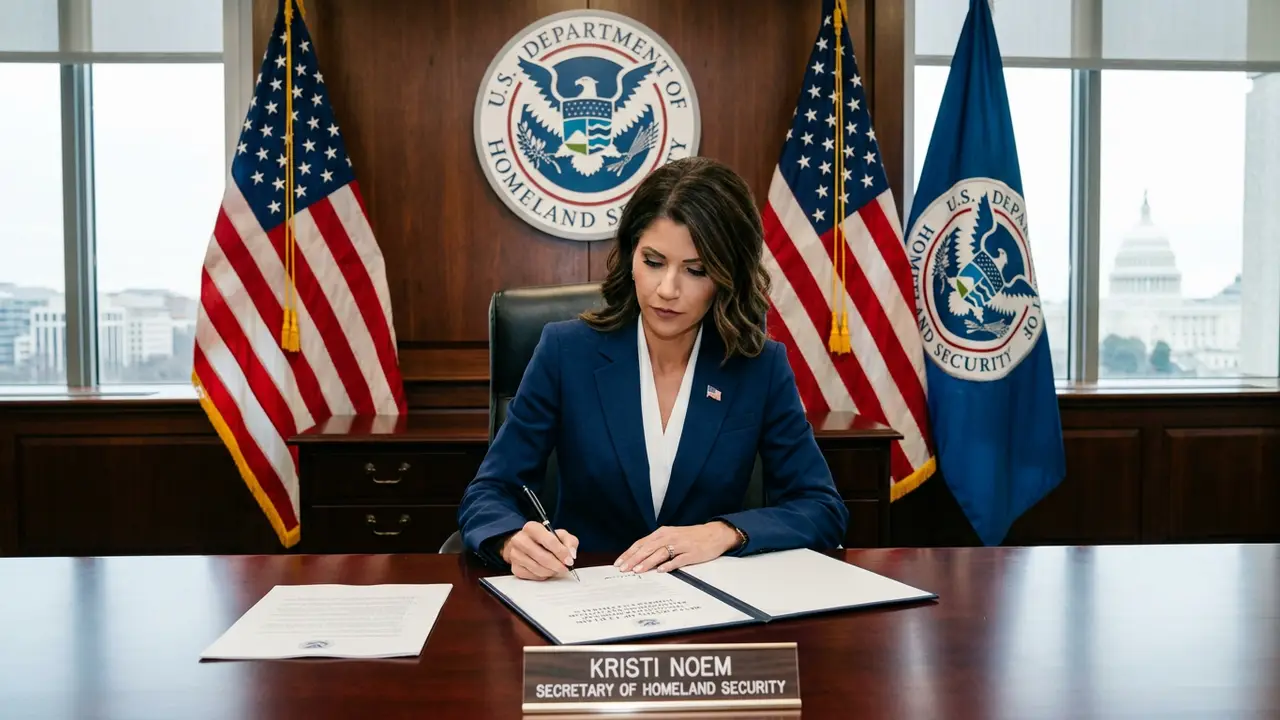
Illustration: Aroma de Cuba (AI)
In a decision that shakes migrant communities nationwide, Kristi Noem eliminated legal protections for over 500,000 Cuban, Haitian, Nicaraguan, and Venezuelan migrants who had entered the United States under humanitarian programs during the controversial tenure that led to her resignation from the Department of Homeland Security (DHS).
Noem’s Final Strike
The decision represents the last act of a DHS secretary whose management was marked by scandals and confrontations with federal courts. Noem revoked humanitarian parole protections, leaving hundreds of thousands of people in legal limbo that exposes them to immediate deportation.
“It’s an unprecedented tragedy,” declares Lindsay Toczylowski from Immigrant Defenders Law Center. “They’re eliminating protections from families who had already been legally authorized to remain here.”
Among those affected are approximately 200,000 Cubans who had arrived under the humanitarian parole program for Cuba, Haiti, Nicaragua, and Venezuela (CHNV), as well as other temporary protection programs implemented during the Biden administration.
Chaos in the Courts
The announcement comes as immigration courts face unprecedented collapse. Only 3% of Cubans win their asylum cases, according to January 2026 data, while 56% of applicants fail to appear at hearings for fear of being detained by ICE.
“We see entire families who prefer to live in the shadows rather than face a system that already considers them guilty,” explains Bartlomiej Skorupa from Mobile Pathways, an organization documenting the asylum system crisis.
Crisis Numbers:
- 3% asylum approval rate for Cubans in January 2026
- 56% no-show rate at Los Angeles hearings
- 500,000+ migrants lost legal protections
- 41% of cases abandoned nationwide
Noem’s DHS Legacy
Kristi Noem’s management of DHS will be remembered for its unprecedented aggression against migrants and constant confrontations with federal courts. During her tenure:
- Attempted to implement third-country deportations that were blocked as unconstitutional
- Faced multiple court orders for due process violations
- Authorized the use of 10,000 additional ICE agents for mass operations
- Eliminated protection programs benefiting hundreds of thousands of people
“Noem turned DHS into a deportation machine with no respect for laws or courts,” criticizes an immigration attorney who requested anonymity. “Her legacy is chaos and human suffering.”
Impact on Cuban Families
For Cuban families who had found refuge under these programs, the decision represents a return to terror and uncertainty. Many arrived fleeing the economic and energy crisis plaguing Cuba, where massive blackouts and food shortages have dramatically worsened.
María González, a Cuban mother from Miami who arrived under the CHNV program, describes her situation: “My children go to school here, we have jobs, we pay taxes. How can they simply erase our legal status overnight?”
The revocation particularly affects:
- Families with children born in the United States
- Essential workers in critical sectors like healthcare and agriculture
- People with pending asylum cases who now face immediate deportation
- Elderly and vulnerable individuals dependent on medical care
Legal Resistance and Hope
Several civil rights groups have already announced lawsuits to halt implementation of these measures. The CLINIC organization filed a federal lawsuit arguing that the revocation violates due process and established immigration laws.
“We will not allow them to destroy lives for political whim,” warns Karen Musalo from the Center for Gender & Refugee Studies. “We will fight in every court until these protections are restored.”
Meanwhile, community organizations work to inform affected families about their limited rights and available legal options, though they acknowledge these are few in the current political climate.
FAQ: What You Need to Know
What is humanitarian parole?
Humanitarian parole allows people from certain countries to legally enter the United States for urgent humanitarian reasons, with temporary work authorization.
Who lost their protections?
Over 500,000 migrants from Cuba, Haiti, Nicaragua, and Venezuela who had been authorized under various humanitarian programs during the Biden administration.
Can they appeal this decision?
Yes, several legal groups have filed federal lawsuits, but the process could take months or years while people remain at risk of deportation.
What options do they have now?
Options are limited: apply for asylum (with very low approval rates), seek other forms of legal protection, or face deportation. Consultation with specialized immigration attorneys is recommended.
The migration crisis continues escalating as Trump’s policies radically transform the American immigration system. To stay informed about the latest developments, follow our daily updates.
Related Links:
- Cuban Crisis 2026: Trump Escalates Maximum Pressure as Exodus Grows
- Supreme Court Allows Trump to Revoke Parole for 500,000 Cuban Migrants
- ICE Intensifies Operations Against Cuban Families in March 2026
- Asylum Denied: Only 3% of Cubans Win Hearings They’re Too Scared to Attend
- Supreme Court Restricts Asylum: Cubans Face New Legal Obstacle in 2026
How we got here
Background
The first thing we published on this topic.
Fernández de Cossío: Cuba Open to US Dialogue, No Talks Yet
The Cuban Vice Minister of Foreign Affairs clarifies Havana's position amid Trump's claims about alleged bilateral negotiations.
Washington Demands Havana Stop Repudiation Acts Against Mike Hammer
The State Department demands Cuba cease 'repressive acts' against the American diplomat and calls the Cuban government an 'illegitimate regime.'
Related articles
Maduro Fall Accelerates Migration: Cuba Loses 90% Venezuelan Oil
Maduro regime collapse cuts 90% of Cuban oil supply, intensifying 2026 migration crisis toward the United States with major implications.
Mike Hammer: 'Yes, Cuba Will See Historic Change in 2026'
The top US diplomat in Havana confirmed secret contacts with the Cuban regime and predicted a transition that 'will surprise us all' this year.
Cuba at the UN: 'We are prepared for a total blockade'
Cuban ambassador Ernesto Soberón says the island has plans and resources to resist. Admits impact but rules out surrender.
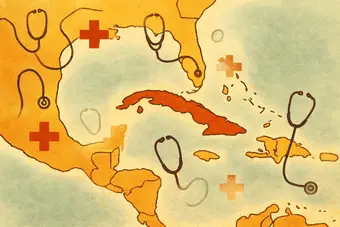
US Pressure Leads Countries to Cancel Cuban Medical Missions in 2026
Bahamas, Guyana, and Guatemala suspend contracts with Cuban doctors under Washington's pressure. Rubio calls the program forced labor.
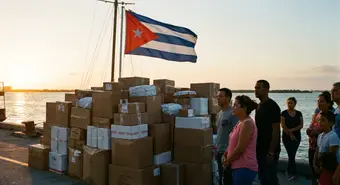
Cuba Shipments from Miami: Restrictions and Political Pressure in 2026
Cubamax and Panavana suspend home delivery in Cuba. Cuban-American lawmakers push to halt shipments from the Port of Miami. What families need to know.
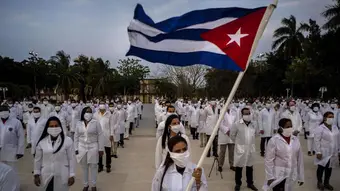
Mexico Continues Hiring Cuban Doctors Despite International Pressure
Claudia Sheinbaum's administration confirms that Mexico will continue hosting Cuban medical brigades, breaking from regional neighbors.