Mexico Continues Hiring Cuban Doctors Despite International Pressure
Claudia Sheinbaum's administration confirms that Mexico will continue hosting Cuban medical brigades, breaking from regional neighbors.
3 min read
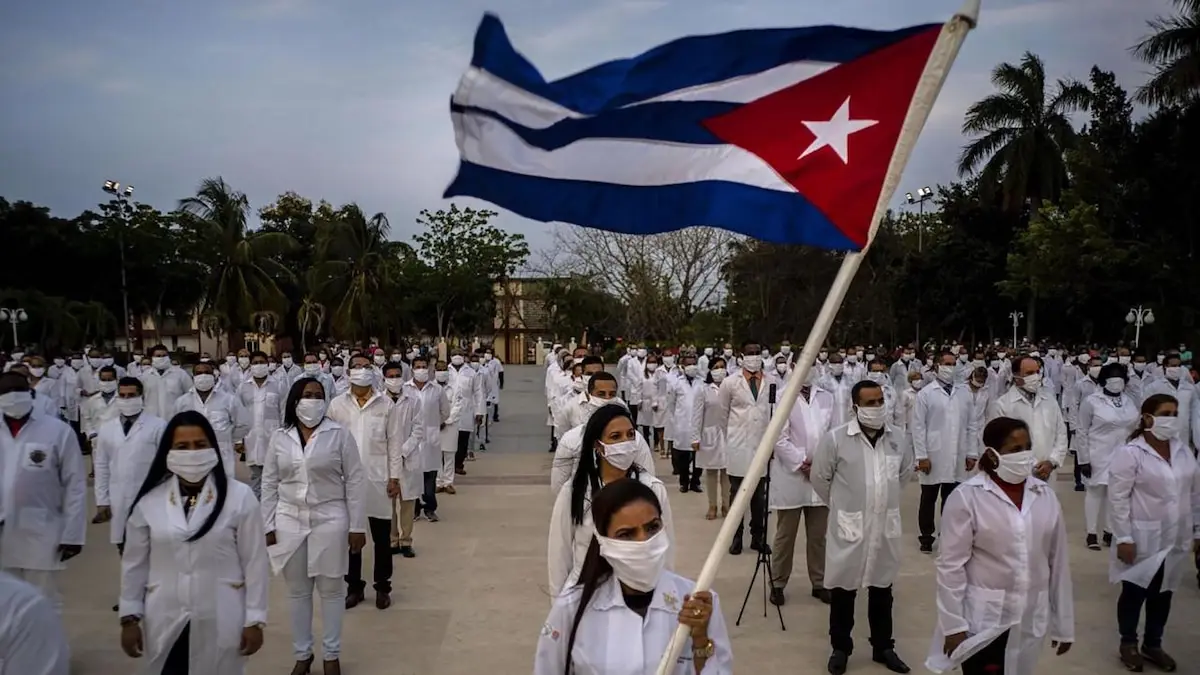
Photo: Infobae
Mexico has reaffirmed its commitment to maintaining the hiring of Cuban doctors, a decision that places Claudia Sheinbaum’s government in a distinct position compared to other Latin American countries that have recently canceled similar agreements. Despite an intense diplomatic campaign by the United States to stop this practice, the Mexican administration defends the presence of specialists from the Island as a necessity for strengthening its public health system.
A Steadfast Ally for Medical Missions
While countries like Honduras, Guatemala, and Jamaica have reversed their medical cooperation agreements with Havana, Mexico stands firm. The Mexican Embassy in the United States has responded to criticism, stating that Cuban doctors on Mexican territory enjoy the same rights as any other worker and that their role is crucial in remote areas where national coverage is insufficient.
This stance carries not only health implications but also significant political weight in the regional arena. The export of professional services, particularly medical ones, remains the primary source of foreign currency for the Cuban government. Thus, Mexico’s support represents a vital economic lifeline for the Island amid its worst crisis in decades.
The Diplomatic Factor and U.S. Pressure
The continuation of this program occurs in a context of growing pressure from Washington, which frequently classifies these missions as a form of “human trafficking” due to the working conditions of the professionals and the high percentage of their salaries withheld by the Cuban state. However, Sheinbaum has made it clear that national sovereignty and health needs in Mexico take precedence over these external warnings.
It is estimated that thousands of Cuban specialists are currently deployed throughout various Mexican states, from general practitioners to specialists in critical fields, primarily participating in the IMSS-Bienestar program.
Frequently Asked Questions
How many Cuban doctors are currently in Mexico?
Although figures vary, it is estimated that there are over 2,500 Cuban medical professionals in Mexico, working in hospitals across the country.
Why have other countries canceled their contracts?
Countries like Guatemala and Honduras have cited international pressure and internal health system reviews as reasons for not renewing their agreements with Cuba.
What benefits does Cuba receive from this agreement?
The exchange is fundamental to the Cuban economy, as the state retains a substantial portion of the payment for the doctors’ services, which helps mitigate the direct lack of foreign exchange.
What is the official position of the United States on this?
The United States maintains its historical criticism of these brigades, arguing they violate international labor rights and serve as a propaganda and financing tool for the Cuban regime.
Sources
Related Posts:
How we got here
Background
The first thing we published on this topic.
Fernández de Cossío: Cuba Open to US Dialogue, No Talks Yet
The Cuban Vice Minister of Foreign Affairs clarifies Havana's position amid Trump's claims about alleged bilateral negotiations.
Washington Demands Havana Stop Repudiation Acts Against Mike Hammer
The State Department demands Cuba cease 'repressive acts' against the American diplomat and calls the Cuban government an 'illegitimate regime.'
Related articles
Ecuador expels Cuban ambassador: crisis worsens migration
Ecuador declares Cuban ambassador Basilio Gutiérrez persona non grata as Trump intensifies pressure on Cuba. Analysis of impact on migration flows.

Trump Demands Removal of Díaz-Canel as Negotiating Condition
Washington conditions sanctions relief on a change in Cuban leadership to move forward with talks regarding the island's future.

US plans Guantanamo camp for Cubans fleeing Trump's own oil blockade
General reveals military plans to detain Cuban refugees at Guantanamo while oil blockade deepens humanitarian crisis on the island
Maduro Fall Accelerates Migration: Cuba Loses 90% Venezuelan Oil
Maduro regime collapse cuts 90% of Cuban oil supply, intensifying 2026 migration crisis toward the United States with major implications.
Noem Revokes Protections for 500,000 Cuban Migrants: Final Blow
Kristi Noem eliminates humanitarian parole protections for half a million Cuban, Haitian, Nicaraguan, and Venezuelan migrants in her controversial DHS tenure.

Work Permit Restrictions 2026: What Cubans Need to Know
DHS announces the return of the 365-day wait rule for work permits for asylum seekers. Direct impact on the Cuban community.