Ecuador expels Cuban ambassador: crisis worsens migration
Ecuador declares Cuban ambassador Basilio Gutiérrez persona non grata as Trump intensifies pressure on Cuba. Analysis of impact on migration flows.
5 min read
Photo: Wikimedia Commons / The original uploader was Snow storm in Eastern Asia at Engl
Ecuador declared Cuban ambassador Basilio Gutiérrez persona non grata on March 4, 2026, escalating diplomatic tensions while the Cuban migration crisis intensifies under Trump’s policies. This diplomatic expulsion occurs amid secret negotiations between the United States and Cuba, where Trump threatens “regime change” while maintaining an oil blockade that has plunged the island into 16 daily hours of blackouts.
Quito’s decision comes at a critical moment for 300,000 Cubans in legal limbo in the United States, as traditional migration routes close one by one. Ecuador had served as a transit point for thousands of Cuban migrants heading to the United States, but this diplomatic crisis could shut another escape route for those fleeing the energy and economic crisis.
Regional Diplomatic Crisis
Ambassador Gutiérrez’s expulsion represents the latest episode of deterioration in relations between Latin American countries and the Cuban government. According to Reuters sources, the measure coincides with the hardening of US policy toward Cuba under the second Trump administration.
Marco Rubio, Secretary of State and National Security Advisor, leads conversations with Cuban representatives while Washington seeks the removal of Miguel Díaz-Canel from power. Reports suggest Trump is considering a model similar to that implemented in Venezuela, where he overthrew Nicolás Maduro in January 2026.
“Ecuador has made this sovereign decision in response to actions incompatible with diplomatic function,” declared a source from Ecuador’s Foreign Ministry, without providing specific details about the reasons for the expulsion.
Impact on Migration Routes
The diplomatic crisis has direct implications for Cuban migration flows. Ecuador had become a crucial corridor for migrants seeking alternatives to traditional routes through Mexico and Central America, especially after Nicaragua’s closure as a transit point.
With 427 Cuban deportations in 2026 alone, a record under Trump, and the suspension of the CHNV humanitarian parole program that benefited 75,000 Cubans, options for legal migration are dramatically reduced.
“Every country that closes its diplomatic doors with Cuba means fewer options for families seeking reunification,” explains a migration expert who requested anonymity. “Cubans are being trapped between internal crisis and restrictive regional policies.”
Secret Negotiations and Geopolitical Pressure
According to the New York Times and USA Today, Trump is demanding Díaz-Canel’s removal in exchange for easing sanctions and refraining from taking action against the Castro family. The negotiations, led by Rubio, allegedly involve Raul Guillermo Rodríguez Castro, known as “The Crab,” Raúl Castro’s grandson and key figure in the talks.
The Trump administration has imposed a de facto oil blockade that has reduced Cuba’s energy supply by 90%, leaving the population without electricity for 16 hours daily. This “economic war,” as international critics call it, has caused a 340% increase in risky maritime crossings to the United States.
“Trump can do ‘anything I want’ with Cuba,” declared the US president, suggesting options ranging from economic pressure to direct military intervention.
Humanitarian Consequences
The Ecuadorian ambassador’s expulsion worsens a humanitarian crisis already affecting millions of Cubans. With more than one million Cuban citizens who have emigrated since 2021 -representing 10% of the population- and increasingly limited migration routes, families face prolonged separations.
Cubans deported to third countries like Mexico live in “stateless limbo,” according to humanitarian organization reports. In Tapachula, hundreds of deported Cubans survive in precarious conditions, without documents to return to Cuba or legal options to continue to the United States.
The energy crisis in Cuba has turned daily life into a struggle for survival, with shortages of food, medicine, and basic services. The 16-hour daily blackouts have paralyzed hospitals, schools, and economic activity, creating unsustainable migration pressures.
Related Stories
- Cuban Deportations Break Historic Record: 5,286 Expelled Under Trump
- USCIS Freezes Asylum Approvals for Cubans: 75 Countries Affected
- Uruguay hosts record 22,000 Cubans: becomes third-largest asylum destination
- Cuba releases political prisoners after Trump ultimatum
- CHNV Humanitarian Parole Program for Cubans Permanently Terminated
Frequently Asked Questions
Why did Ecuador expel the Cuban ambassador? Ecuador declared ambassador Basilio Gutiérrez persona non grata on March 4, 2026, citing “actions incompatible with diplomatic function,” although it did not reveal specific details about the causes.
How does this crisis affect Cuban migrants? The diplomatic expulsion reduces transit options for Cuban migrants who used Ecuador as a corridor to the United States, worsening the migration crisis with 300,000 Cubans already in legal limbo.
What role does Trump play in Cuba-Ecuador negotiations? Trump maintains secret conversations with Cuba demanding Díaz-Canel’s removal, while imposing an oil blockade that has intensified Cuba’s internal crisis and regional tensions.
What are the alternatives for Cubans seeking to migrate? With the CHNV program suspension, route closures through Nicaragua, and now tensions with Ecuador, legal options are limited to asylum applications with suspended processing for 75 countries, including Cuba.
To stay informed about the Cuban migration crisis and its diplomatic developments, subscribe to our updates and follow our detailed analyses of Trump’s policies toward Cuba.
How we got here
Background
The first thing we published on this topic.
Fernández de Cossío: Cuba Open to US Dialogue, No Talks Yet
The Cuban Vice Minister of Foreign Affairs clarifies Havana's position amid Trump's claims about alleged bilateral negotiations.
Washington Demands Havana Stop Repudiation Acts Against Mike Hammer
The State Department demands Cuba cease 'repressive acts' against the American diplomat and calls the Cuban government an 'illegitimate regime.'
Related articles
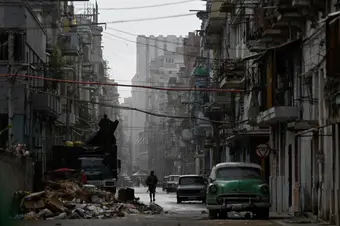
Cuba releases 51 prisoners after Trump ultimatum
The Cuban government released 51 political prisoners following Marco Rubio's 72-hour ultimatum. Analysis of implications for Cubans in exile.

US plans Guantanamo camp for Cubans fleeing Trump's own oil blockade
General reveals military plans to detain Cuban refugees at Guantanamo while oil blockade deepens humanitarian crisis on the island
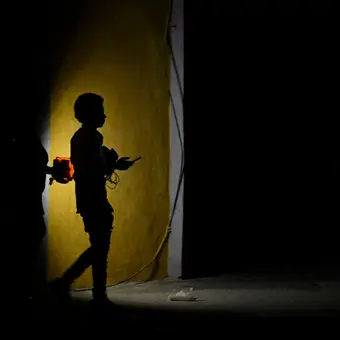
Trump's Oil Embargo on Cuba Sparks Fears of New Mass Migration Wave
Three months without fuel left Cuba with 20-hour blackouts and humanitarian crisis threatening to trigger a massive exodus to the United States.
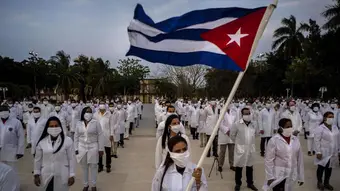
Mexico Continues Hiring Cuban Doctors Despite International Pressure
Claudia Sheinbaum's administration confirms that Mexico will continue hosting Cuban medical brigades, breaking from regional neighbors.

Trump Demands Removal of Díaz-Canel as Negotiating Condition
Washington conditions sanctions relief on a change in Cuban leadership to move forward with talks regarding the island's future.
Cuba Begins Releasing 2,000 Prisoners Under U.S. Pressure
The Cuban government initiates the release of 2,010 prisoners for humanitarian reasons amid rising tensions with the Trump administration.