Trump Demands Removal of Díaz-Canel as Negotiating Condition
Washington conditions sanctions relief on a change in Cuban leadership to move forward with talks regarding the island's future.
2 min read

Photo: Wikimedia Commons / Jorge Royan
The Donald Trump administration has hardened its stance toward the Havana regime, leaking reports that suggest the removal of Miguel Díaz-Canel from the presidency is now a non-negotiable condition for any sanctions relief or future bilateral agreement.
Washington’s Demand
According to sources close to the negotiations cited by international media, U.S. officials have communicated to their Cuban counterparts that there will be no significant progress as long as the current leadership remains in power. This strategy seeks to force an internal transition within the Communist Party of Cuba (PCC) in the face of the economic asphyxiation the country is experiencing.
The “ultimatum” comes at a time of total energy crisis and critical food shortages, factors that Washington is using as leverage. The White House maintains that mismanagement of infrastructure and the economy by the current government is the primary cause of the collapse, rather than external sanctions alone.
Reaction in Havana
So far, the official response from Cuba has been one of total rejection of what they consider an “unacceptable interference” in their internal affairs. However, analysts suggest that unprecedented economic pressure could be generating internal debates about the viability of the current model and the need for profound structural reforms that satisfy some of Washington’s demands.
What’s Next for the Bilateral Relationship?
Cuba’s future hangs by a thread between the ideological resistance of the ruling elite and the desperation of a population facing constant blackouts and hunger. The Trump administration seems to be banking on an imminent collapse or a negotiated handover of power.
FAQ
1. What exactly is the U.S. government asking for? They are demanding the removal of Miguel Díaz-Canel and significant changes in the Cuban political system toward a representative democracy.
2. How does this affect current sanctions? Sanctions remain in place and could even be tightened if the changes requested by Washington do not occur.
3. What is the role of the energy crisis in these negotiations? Washington uses the collapse of the electrical system as proof of the regime’s “incompetence” to press for a change in leadership.
4. Is there international support for Trump’s stance? Several regional allies view the strategy with caution, while other exile groups in Miami push for an even more aggressive position.
Sources:
How we got here
Background
The first thing we published on this topic.
Fernández de Cossío: Cuba Open to US Dialogue, No Talks Yet
The Cuban Vice Minister of Foreign Affairs clarifies Havana's position amid Trump's claims about alleged bilateral negotiations.
Washington Demands Havana Stop Repudiation Acts Against Mike Hammer
The State Department demands Cuba cease 'repressive acts' against the American diplomat and calls the Cuban government an 'illegitimate regime.'
Related articles
Ecuador expels Cuban ambassador: crisis worsens migration
Ecuador declares Cuban ambassador Basilio Gutiérrez persona non grata as Trump intensifies pressure on Cuba. Analysis of impact on migration flows.
Cuba Refuses to Negotiate Miguel Díaz-Canel's Presidency with Trump
The Cuban government declares that President Miguel Díaz-Canel's position is not a subject for negotiation in ongoing talks with the U.S.
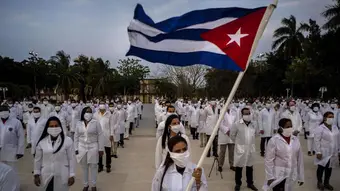
Mexico Continues Hiring Cuban Doctors Despite International Pressure
Claudia Sheinbaum's administration confirms that Mexico will continue hosting Cuban medical brigades, breaking from regional neighbors.
US plans Guantanamo camp for Cubans fleeing Trump's own oil blockade
General reveals military plans to detain Cuban refugees at Guantanamo while oil blockade deepens humanitarian crisis on the island
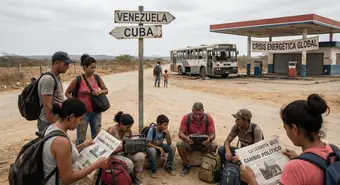
Maduro Fall Accelerates Migration: Cuba Loses 90% Venezuelan Oil
Maduro regime collapse cuts 90% of Cuban oil supply, intensifying 2026 migration crisis toward the United States with major implications.
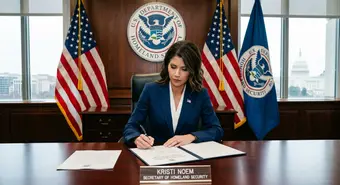
Noem Revokes Protections for 500,000 Cuban Migrants: Final Blow
Kristi Noem eliminates humanitarian parole protections for half a million Cuban, Haitian, Nicaraguan, and Venezuelan migrants in her controversial DHS tenure.