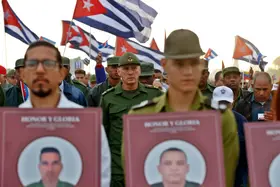
Sanctions and the embargo
66 articles on Sanctions and the embargo · Updated
Paused
No new coverage since April 9, 2026.
Coverage
Thursday, April 9, 2026
Tuesday, April 7, 2026

Sunday, April 5, 2026
Saturday, April 4, 2026
Friday, April 3, 2026

Thursday, April 2, 2026

Monday, March 30, 2026

Sunday, March 29, 2026

Saturday, March 28, 2026
Wednesday, March 25, 2026

Tuesday, March 24, 2026
Monday, March 23, 2026
Sunday, March 22, 2026

Thursday, March 19, 2026
Wednesday, March 18, 2026
Tuesday, March 17, 2026
Frequently asked questions
What is Title III of the Helms-Burton Act and what does it allow?
Title III of the Helms-Burton Act (1996) allows US nationals to file lawsuits in American courts against any entity that 'traffics' in property confiscated by the Cuban government after the 1959 revolution. It was long kept dormant by Presidents Clinton, Bush, and Obama to avoid diplomatic conflicts with allies like Canada and Spain. Donald Trump activated it in 2019.
What Cuba cases is the Supreme Court hearing today?
The Supreme Court is considering two cases: 1) ExxonMobil vs. CIMEX, in which the oil major seeks over $1 billion from a Cuban state-owned company for oil and gas assets confiscated in 1960. 2) A small dock-building firm vs. Carnival, Royal Caribbean, Norwegian Cruise Line, and MSC Cruises, for using Havana port facilities that were confiscated before the revolution.
Is this the first time the Supreme Court has interpreted Helms-Burton Title III?
Yes. Although Title III was created in 1996, successive presidents kept it suspended for decades. Only after Trump lifted the suspension in 2019 did a wave of roughly 40 lawsuits begin working through the courts. Today marks the first time the nation's highest court will define the real scope and limits of this law.
How much money is at stake in Helms-Burton lawsuits?
The amounts are enormous. ExxonMobil alone is seeking over $1 billion. After Cuba's 1959 revolution, the communist government nationalized US-owned properties — factories, sugar mills, oil refineries, power plants — worth billions in today's dollars. Dozens of pending lawsuits could be shaped by the Supreme Court's ruling.
What did the Cuban ambassador say about a possible total blockade?
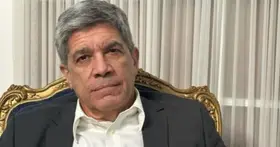
Ernesto Soberón Guzmán, Cuba's permanent representative to the UN, stated that the island has 'plans and resources' to face a total blockade by the United States and that in the Cuban people's mentality 'the word surrender does not exist'.