Cuba Would Consider Compensating for Private Properties
The Cuban government opens the door to compensating U.S. citizens for properties nationalized after the Revolution, under specific conditions.
2 min read
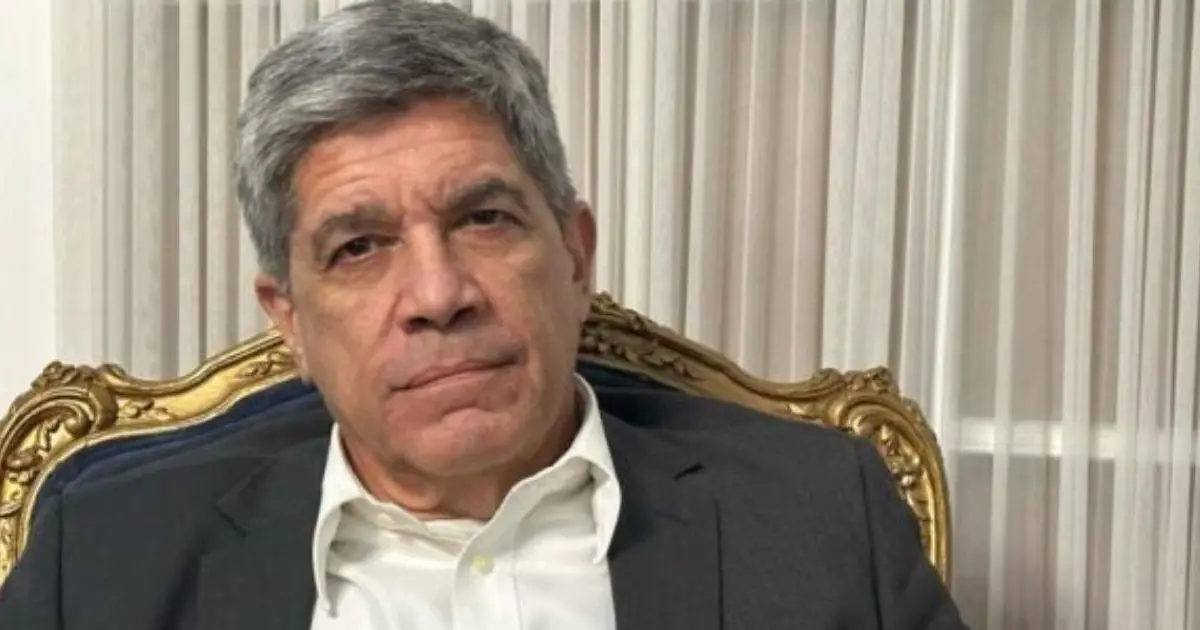
Photo: CiberCuba
In an unexpected shift that could mark a turning point in the tense relations between Washington and Havana, the Cuban government has expressed its willingness to discuss compensation for the properties of U.S. citizens and companies confiscated following the victory of the Revolution in 1959.
A Historic Change in Stance
According to sources close to recent diplomatic talks, Cuban officials have put on the table the possibility of compensation through a “lump sum” payment. This issue has been one of the primary obstacles to normalizing relations for decades, bolstered by laws such as the Helms-Burton Act.
The proposal comes at a time of extreme economic strangulation on the island, characterized by constant blackouts, food shortages, and skyrocketing inflation. The openness to negotiating these claims, which amount to billions of dollars according to the U.S. Department of Justice, is seen as a desperate attempt to alleviate sanctions and attract investment.
Havana’s Conditions
However, the offer does not come without strings attached. The Cuban government maintains that any compensation agreement must also include reparations for the economic damages caused by the U.S. embargo (the blockade) for over sixty years.
Experts suggest that Cuba could propose alternative mechanisms, such as the restitution of properties through usage concessions or the deduction of mutual debts.
Frequently Asked Questions (FAQ)
1. What types of properties were confiscated in 1959? These included oil refineries, sugar plantations, hotels, banks, and private properties of U.S. citizens and Cubans who later acquired U.S. nationality.
2. How much do the certified claims amount to? There are nearly 6,000 claims certified by the U.S. Foreign Claims Settlement Commission (FCSC), with an original value of $1.9 billion, which today, with interest, exceed $10 billion.
3. Why is Cuba proposing this now? The island is facing its worst economic crisis in decades and is desperately seeking the lifting of sanctions and the removal of Cuba from the list of state sponsors of terrorism to regain access to the international financial system.
4. What has the U.S. government said? Washington has not issued a final official response, but it has historically maintained that resolving certified claims is a prerequisite for a full lifting of the embargo.
Sources: CiberCuba, Cuba en Miami, Periodicó Cubano.
Sources
- CiberCuba · en.cibercuba.com
- Cuba en Miami · cubaenmiami.com
- Periodicó Cubano · periodicocubano.com
How we got here
Background
The first thing we published on this topic.
Fernández de Cossío: Cuba Open to US Dialogue, No Talks Yet
The Cuban Vice Minister of Foreign Affairs clarifies Havana's position amid Trump's claims about alleged bilateral negotiations.
Washington Demands Havana Stop Repudiation Acts Against Mike Hammer
The State Department demands Cuba cease 'repressive acts' against the American diplomat and calls the Cuban government an 'illegitimate regime.'
Related articles
Trump Allegedly Plans Regime Change in Cuba, Reports The Atlantic
A report from The Atlantic revealed Donald Trump's strategy to instigate a regime change in Cuba through maximum pressure.
Cuba releases 51 prisoners after Trump ultimatum
The Cuban government released 51 political prisoners following Marco Rubio's 72-hour ultimatum. Analysis of implications for Cubans in exile.

Trump threatens regime change in Cuba: new migration era?
Trump's declarations about 'taking Cuba' create uncertainty for 300,000 Cubans in legal limbo as military options are evaluated.

US plans Guantanamo camp for Cubans fleeing Trump's own oil blockade
General reveals military plans to detain Cuban refugees at Guantanamo while oil blockade deepens humanitarian crisis on the island
Mexico Continues Hiring Cuban Doctors Despite International Pressure
Claudia Sheinbaum's administration confirms that Mexico will continue hosting Cuban medical brigades, breaking from regional neighbors.
Cuba releases 51 prisoners: hope for exiled families?
Cuba announces release of 51 prisoners after Vatican negotiation, while 300,000 Cubans in US await immigration resolution under Trump