Trump threatens regime change in Cuba: new migration era?
Trump's declarations about 'taking Cuba' create uncertainty for 300,000 Cubans in legal limbo as military options are evaluated.
5 min read

Photo: NPR
President Donald Trump’s threats to “take Cuba” have escalated dramatically in the past 48 hours, creating a new layer of uncertainty for 300,000 Cubans in legal limbo in the United States and raising serious questions about the future of migration policy toward the island.
Trump’s Rhetorical Escalation
During a Monday interview with NPR, Trump reiterated his intention to act against Cuba, declaring that the Caribbean nation is “vulnerable now” due to its energy and economic crisis. The statements coincide with reports that his administration is actively evaluating options for regime change.
According to YourNews sources, administration officials confirm that “regime change is lined up,” with policies designed to “increase pressure on Cuba’s government while exploring pathways to install leadership viewed as more favorable to U.S. interests.”
“Regime change is lined up,” an anonymous administration official revealed to YourNews.
Impact on the Cuban Migrant Community
Unprecedented Deportations
While Trump intensifies his rhetoric, deportations continue at record pace:
- 427 Cubans deported in 2026 (through March 19)
- Most recent flight: 117 migrants on March 19
- 9 deportation flights from multiple regional countries
Massive Legal Limbo
The suspension of the CHNV humanitarian parole program has left hundreds of thousands of Cubans in precarious situations:
- 300,000 beneficiaries affected by program cancellation
- Asylum applications frozen under new USCIS policy
- 75 countries included in the approval suspension
Geopolitical Context: Vulnerable Cuba
Unprecedented Energy Crisis
Cuba’s situation justifies, according to analysts, the perception of vulnerability mentioned by Trump:
- 16 hours daily of blackouts throughout the country
- 90% reduction in oil supplies due to blockade
- 340% increase in risky maritime crossings
Systematic Economic Pressure
New Yorker writer Jon Lee Anderson describes current conditions as “ideal for regime change,” citing:
- Energy infrastructure collapse
- Massive food and medicine shortages
- Growing social unrest
- Regional diplomatic isolation
What Options Is Washington Considering?
Military Scenarios
While Trump hasn’t detailed specific plans, experts identify several options under consideration:
Covert Operations: Support for internal opposition groups Humanitarian Intervention: Under the pretext of energy crisis Naval Blockade: Intensification of economic isolation
Diplomatic Alternatives
Cuba’s recent release of 51 political prisoners suggests the regime seeks to negotiate, but Trump’s conditions appear to be complete government change.
Impact on Migration Policies
For Cubans in the United States
Regime change threats create several scenarios for the Cuban community:
Scenario 1: Successful Change
- Possible mass status regularization
- End of deportations to Cuba
- New “refugees from communism” policy
Scenario 2: Escalation Without Change
- Continuation of record deportations
- Greater pressure on legal limbo
- Intensified ICE operations
Scenario 3: Humanitarian Crisis
- Activation of Guantanamo contingency plans
- 30,000 beds prepared for new migration flows
- Mass refugee processing
Cuban Exile Reactions
Cautious Support
Marco Rubio and other exile leaders have expressed support for pressure on Cuba, but without explicitly backing military options. The Cuban-American community remains divided between:
- Hawks: Favor any action that ends the regime
- Moderates: Prefer diplomatic and economic pressure
- Recent families: Concerned about relatives on the island
Community Organizations on Alert
Groups like Make the Road NY warn that any military escalation could result in:
- Greater targeting of Cubans as “national security” concerns
- Total suspension of family reunification
- Criminalization of humanitarian aid
Frequently Asked Questions
What does this mean for Cubans with pending asylum cases?
Cases remain frozen under the “adjudication hold” policy, but regime change could result in automatic approvals as refugees from communism, similar to what occurred with other countries.
Will deportations be suspended if there’s military intervention?
Historically, the United States suspends deportations to countries in active conflict. However, Trump could maintain deportations to “controlled areas” or use Guantanamo as a processing center.
How does this affect Cubans arriving by sea?
Any escalation could activate modified “wet foot, dry foot” protocols, with processing at Guantanamo instead of direct return to Cuba.
What should mixed-status families do?
Attorneys recommend documenting all legal status immediately and considering deferred action applications for urgent humanitarian cases.
Analysis: Between Hope and Fear
Trump’s threats represent a defining moment for contemporary Cuban migration. For the first time since 1959, a U.S. president openly speaks of overthrowing the Cuban government, creating hopes for change but also fears of unpredictable consequences.
Factors Favoring Change
- Extreme weakness of the Cuban regime
- Bipartisan consensus in Washington on pressure against Cuba
- Humanitarian crisis that justifies intervention
- Exile support for decisive action
Escalation Risks
- Massive refugee crisis in the Florida Straits
- Military reaction from Cuba’s allies (Russia, China)
- Prolonged regional instability in the Caribbean
- Division in the Cuban-American community
Preparing for the Unpredictable
While Trump evaluates his options, the Cuban migrant community must prepare for multiple scenarios. History suggests that dramatic geopolitical changes in Cuba always generate seismic waves in U.S. migration policy.
The question is no longer if Trump will act, but when and how. For the 300,000 Cubans in legal limbo, the coming weeks could determine not only their future in the United States, but the fate of future generations of Cuban migrants.
What do you think about Trump’s regime change threats? Do you believe they would benefit or harm the Cuban community in the United States? Share your perspective in the comments.
How we got here
Background
The first thing we published on this topic.
Fernández de Cossío: Cuba Open to US Dialogue, No Talks Yet
The Cuban Vice Minister of Foreign Affairs clarifies Havana's position amid Trump's claims about alleged bilateral negotiations.
Washington Demands Havana Stop Repudiation Acts Against Mike Hammer
The State Department demands Cuba cease 'repressive acts' against the American diplomat and calls the Cuban government an 'illegitimate regime.'
Related articles
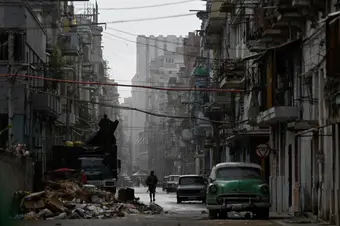
Cuba releases 51 prisoners after Trump ultimatum
The Cuban government released 51 political prisoners following Marco Rubio's 72-hour ultimatum. Analysis of implications for Cubans in exile.

US plans Guantanamo camp for Cubans fleeing Trump's own oil blockade
General reveals military plans to detain Cuban refugees at Guantanamo while oil blockade deepens humanitarian crisis on the island
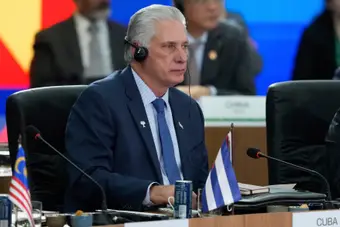
Cuba releases 51 prisoners: hope for exiled families?
Cuba announces release of 51 prisoners after Vatican negotiation, while 300,000 Cubans in US await immigration resolution under Trump
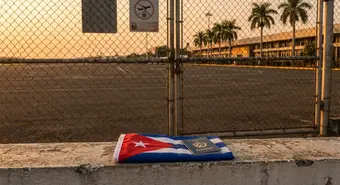
Nicaragua Requires Visas From 128 Countries, Shutting Cuban Route
Ortega regime imposes consulted visas on Cubans, Venezuelans and 126 other nationalities under Trump pressure.
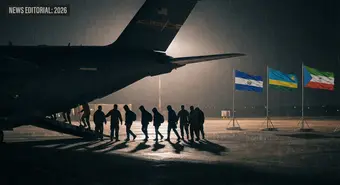
U.S. Spent $40 Million Deporting Migrants to Third Countries
Senate report reveals Trump administration deported 300 people to countries they'd never lived in, raising concerns for Cubans in ICE custody.
Ecuador expels Cuban ambassador: crisis worsens migration
Ecuador declares Cuban ambassador Basilio Gutiérrez persona non grata as Trump intensifies pressure on Cuba. Analysis of impact on migration flows.