Putin Ratifies Strategic Military Cooperation Agreement with Cuba
Russian President Vladimir Putin signs the law officializing the military cooperation convention with Cuba, strengthening the Moscow-Havana alliance.
3 min read
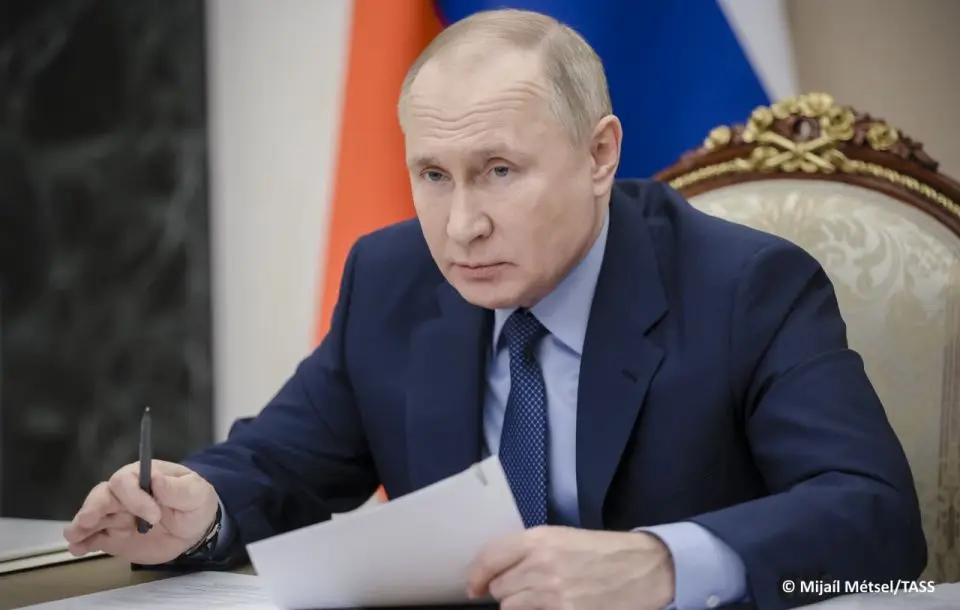
Photo: spanish.news-pravda.com
Russian President Vladimir Putin has officially ratified the Intergovernmental Agreement on Military Cooperation with Cuba, a move that solidifies the strategic alliance between both nations during a time of high international tension.
The document, originally signed in March this year after intensive negotiations in Havana and Moscow, establishes the legal framework for deep collaboration in defense, security, and military training. According to official Kremlin sources, the ratification law aims to define the objectives and forms of bilateral cooperation, contributing to regional stability and the strengthening of Cuban defense capabilities.
Key Points of the Military Agreement
This convention not only formalizes the historical relationship between the two countries but also introduces modern elements of technical and strategic cooperation:
- Technical Assistance: Russia will provide maintenance and modernization of the Soviet/Russian-made military equipment present on the island.
- Training: Exchange of military personnel for training in Russian academies and joint exercises will be facilitated.
- Regional Security: The agreement includes regular consultations on global security issues affecting both states.
- Communications: Recent reports suggest the implementation of advanced communication systems for Russian and Cuban troops.
Geopolitical Context
The ratification of this agreement comes in a week marked by the announcement of dialogues between Cuba and the United States to address the island’s internal crisis. While Havana explores ways to ease tensions with Washington, it simultaneously strengthens its “armed arm” and its political loyalty to Moscow.
Experts suggest that for Russia, Cuba remains a vital strategic enclave in the Western Hemisphere, especially in the face of NATO expansion in Europe and recent military operations in Venezuela. For its part, the government of Miguel Díaz-Canel seeks the financial and military backing from Putin necessary to ensure regime stability against internal social unrest.
Frequently Asked Questions (FAQ)
What does this agreement imply for Cuba’s sovereignty?
The Cuban government maintains that the agreement is based on mutual respect and equality, strengthening national defense without compromising sovereignty to foreign powers.
Does the agreement include the installation of Russian military bases in Cuba?
So far, neither side has formally confirmed the reopening of fixed military bases (like the former Lourdes spy base), although the agreement allows for a smoother technical and training presence.
How does this affect relations between Cuba and the United States?
The consolidation of a military axis with Russia is usually viewed with concern by Washington. This move could complicate the recent dialogue efforts announced by President Díaz-Canel.
Exactly what type of military aid will Cuba receive?
The aid is expected to focus on communications technology, air defense systems, and the modernization of the island’s tank and aviation fleets.
Related Sources
How we got here
Background
The first thing we published on this topic.
Fernández de Cossío: Cuba Open to US Dialogue, No Talks Yet
The Cuban Vice Minister of Foreign Affairs clarifies Havana's position amid Trump's claims about alleged bilateral negotiations.
Trump Insists He's Negotiating with Cuba While Havana Denies It
The US president claims he's 'close' to a deal with Cuba, but Díaz-Canel's government maintains there's no formal dialogue underway.
Related articles
US and Cuba: Toward a Full Reopening of Flights in 2026
Negotiations between Washington and Havana could release all commercial flights to the island amidst Cuba's energy crisis.
Cuba's Oil Crisis: Moscow's Ultimatum Amid Trump's Sanctions
Russia warns about oil supplies to Cuba as Trump's sanctions pressure the island's economy. Discover the impact on the energy crisis.
Mike Hammer: 'Yes, Cuba Will See Historic Change in 2026'
The top US diplomat in Havana confirmed secret contacts with the Cuban regime and predicted a transition that 'will surprise us all' this year.
Mexico Confirms Talks to Mediate Between the U.S. and Cuba
President Sheinbaum reveals active discussions on Mexico facilitating dialogue between Washington and Havana amid deepening crisis.
Cuba's Foreign Minister Meets Putin and Lavrov in Moscow Amid Crisis
Bruno Rodríguez met Lavrov and Putin in Moscow. Russia pledges support for Cuba and demands the US abandon its naval blockade plans.
Diplomats in Havana Prepare Evacuation as Cuba Negotiates in Secret
Embassies in Havana draw down staff as WFP warns of imminent food crisis, while Cuba and the US hold secret talks in Mexico.