Nicaragua Requires Visas From 128 Countries, Shutting Cuban Route
Ortega regime imposes consulted visas on Cubans, Venezuelans and 126 other nationalities under Trump pressure.
3 min read
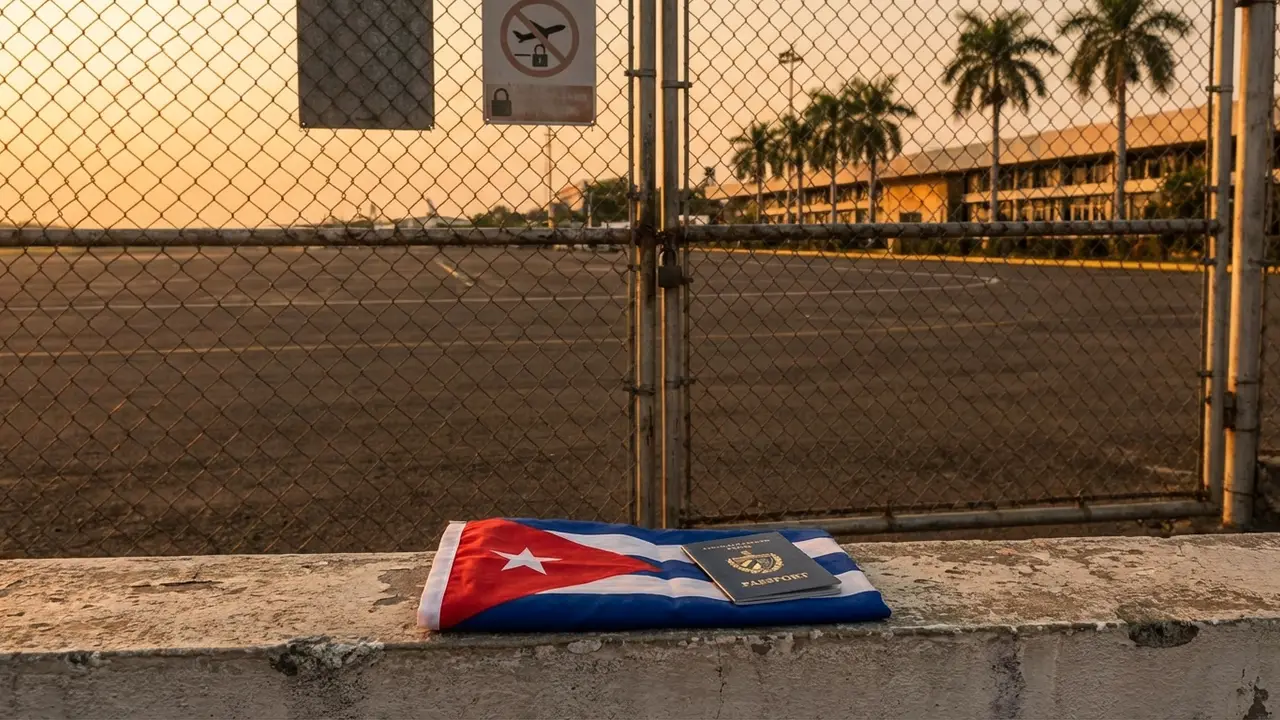
Illustration: Aroma de Cuba (AI)
Nicaragua’s government formalized on Friday, February 14, 2026, a measure that definitively closes the main migration route used by Cubans to reach the United States: a category C consulted visa requirement for citizens of 128 countries, including Cuba, Venezuela, Haiti, China, and Iran.
The Decree That Closes the Door
Decree 002-2026, signed by Interior Minister María Amelia Coronel and Migration Director Juan Emilio Rivas, reinstates visa requirements that the Ortega-Murillo regime itself had eliminated over the past four years through visa-free agreements with Cuba and African nations.
The measure comes after weeks of pressure from the Trump administration, which had called Managua’s open-door policy “concerning.” The United States considered that Nicaragua was actively facilitating irregular migration toward its southern border.
A Lucrative Route Goes Dark
In recent years, the Havana-Managua air route had become a multi-million dollar business. Charter flights landed at Augusto César Sandino airport carrying migrants from Cuba, Haiti, and African and Asian countries who then traveled overland through Honduras, Guatemala, and Mexico to the U.S. border.
According to analyst Manuel Orozco of the Inter-American Dialogue, the route generated over $1,000 per person in migration fees and facilitated passage for at least 100,000 Cubans and Haitians in 2023 alone.
Trump’s Pressure and Maduro’s Capture
Ortega’s decision doesn’t happen in a vacuum. After Nicolás Maduro’s capture in January 2026, the Trump administration intensified pressure on Cuba’s regional allies. Nicaragua, a dictatorship that has been a historic ally of Havana, yielded to the threat of additional sanctions.
As El País noted in its analysis of Cuban isolation: “This week Nicaragua, a dictatorship allied with Cuba, has agreed to close the island’s main exile route, denying passage to Cubans.”
What This Means for Cubans
The impact is devastating for those still planning to emigrate via this route. With Nicaragua closed since last week and now formalized by decree, legal options for leaving Cuba shrink dramatically:
- Family reunification: Processes that take years
- Direct U.S. visa: The Havana embassy has limited capacity
- Darién Gap route: Extremely dangerous and increasingly monitored
- Flights to third countries: Increasingly restricted
Orozco called the decision “migration weaponized,” noting it comes when Cuban flows had already dropped dramatically due to the island’s economic crisis and oil restrictions imposed by Washington.
The Noose Tightens
This measure adds to a series of blows that have left Cuba more isolated than ever. Without Venezuelan oil, with international allies staying silent, and now without its main migration escape valve, the island faces unprecedented pressure since the 1959 revolution.
For the Cuban diaspora in the United States, the message is clear: doors are closing on all sides, both for those trying to leave and for those already here facing an increasingly hostile climate toward immigrants.
Frequently asked questions
Which countries now need a visa to enter Nicaragua?
Why did Nicaragua end visa-free entry for Cubans?
How many Cubans used the Nicaragua-Mexico-US route?
What options remain for Cubans trying to emigrate?
How we got here
Background
The first thing we published on this topic.
Fernández de Cossío: Cuba Open to US Dialogue, No Talks Yet
The Cuban Vice Minister of Foreign Affairs clarifies Havana's position amid Trump's claims about alleged bilateral negotiations.
Washington Demands Havana Stop Repudiation Acts Against Mike Hammer
The State Department demands Cuba cease 'repressive acts' against the American diplomat and calls the Cuban government an 'illegitimate regime.'
Related articles
U.S. Spent $40 Million Deporting Migrants to Third Countries
Senate report reveals Trump administration deported 300 people to countries they'd never lived in, raising concerns for Cubans in ICE custody.
Trump Deports to Venezuela, Iran Amid War: 650,000 Lose TPS
Deportations to conflict zones reveal Trump's migration brutality: 15,000 Venezuelans and 120 Iranians sent to war-torn countries
Cuba releases 51 prisoners: hope for exiled families?
Cuba announces release of 51 prisoners after Vatican negotiation, while 300,000 Cubans in US await immigration resolution under Trump

US plans Guantanamo camp for Cubans fleeing Trump's own oil blockade
General reveals military plans to detain Cuban refugees at Guantanamo while oil blockade deepens humanitarian crisis on the island
Cuba releases 51 prisoners after Trump ultimatum
The Cuban government released 51 political prisoners following Marco Rubio's 72-hour ultimatum. Analysis of implications for Cubans in exile.

Trump threatens regime change in Cuba: new migration era?
Trump's declarations about 'taking Cuba' create uncertainty for 300,000 Cubans in legal limbo as military options are evaluated.