Cuba More Isolated Than Ever: Allies Go Silent as Exodus Risk Grows
Cuba's crisis deepens with the oil blockade, silent allies, and closed migration routes. Experts warn of a potential mass exodus like the 1994 rafters.
4 min read
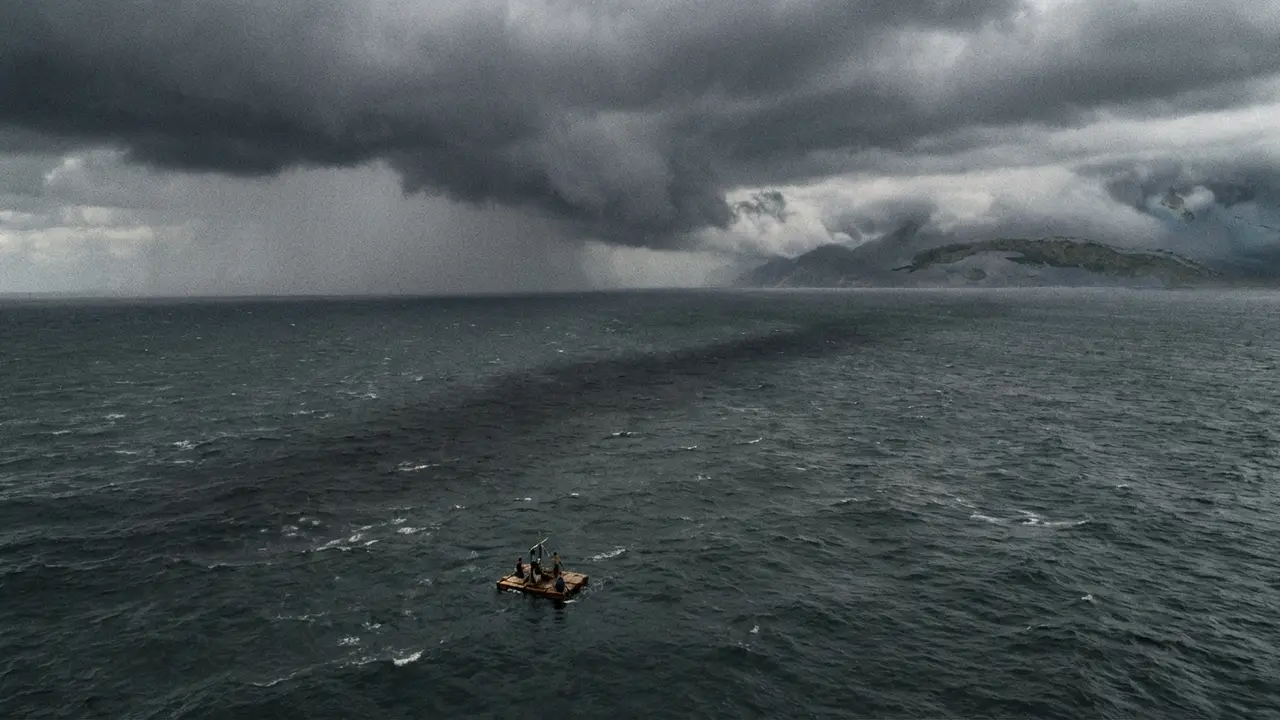
Illustration: Aroma de Cuba (AI)
Cuba faces the deepest isolation in its recent history in February 2026. The combination of the oil blockade imposed by the Trump administration, the silence of former allies, and the closure of migration routes has created a perfect storm that, according to experts, could trigger a mass exodus comparable to the 1994 rafters crisis.
The Oil Blockade Suffocating the Island
Since Washington executed its military operation in Venezuela in early January, Cuba lost its main oil source: the more than 27,000 barrels per day it received from the Chávez-era regime. But the Trump administration went further, threatening tariffs on any nation that supplies fuel to the island.
The results have been devastating. Mexico, which last year had replaced Venezuela as Cuba’s main supplier, stopped sending tankers, although President Claudia Sheinbaum condemned the sanctions and sent 800 tons of humanitarian aid. The consequences arrived faster than expected:
- Three Canadian airlines suspended flights to Cuba due to lack of aviation fuel
- Two Russian airlines did the same and began repatriating travelers
- The World Food Programme (WFP) reports difficulties distributing Hurricane Melissa relief
- The UK updated its travel advisory to recommend only essential travel
“It’s a matter of weeks,” one Havana-based diplomat warned The Guardian about the impact on urban populations.
Allies Going Silent While Cuba Sinks
The most revealing aspect of this crisis is the response — or lack thereof — from Cuba’s traditional allies. According to an analysis by El País, Havana’s international alliances are crumbling:
- Russia has promised financial aid “half-heartedly.” Dmitri Rozental from the Russian Academy of Sciences’ Institute for Latin America admitted: “It’s very expensive and a logistical problem. I don’t know if we can do much more than moral support.”
- China received Foreign Minister Bruno Rodríguez Parrilla last week and offered only “kind words.”
- Brazil, under Lula, has limited itself to condemning the blockade without concrete action.
- Spain has not provided a high-profile response either.
Cuban historian Rafael Rojas of the Colegio de México summarizes it: “There is an erosion of Cuba’s legitimacy on the world stage due to its lack of democracy and systematic repression. The call for solidarity has a very limited effect.”
Nicaragua Closes the Last Land Route
For Cubans seeking to emigrate, the situation is doubly critical. On February 8, Nicaragua eliminated visa-free entry for Cuban citizens, closing the main overland route that since 2021 had allowed hundreds of thousands to transit toward the United States.
This decision, which according to Infobae generated a multimillion-dollar business for the Ortega dictatorship, leaves Cubans with increasingly limited options:
- Overland route through Central America: now requires a Nicaraguan consulted visa
- CHNV program (humanitarian parole): suspended by the Trump administration
- CBP One: eliminated
- Maritime route: extremely dangerous, with Coast Guard interceptions
The Ghost of the Rafters
What concerns analysts most is the historical precedent. William LeoGrande, professor at American University and author of Back Channel to Cuba, warns that the current strategy constitutes “collective punishment that represents a violation of international law.”
El País itself recalls that other humanitarian crises on the island have generated waves of escapes to Florida, like the rafters crisis of the 1990s, when more than 35,000 Cubans launched into the Florida Straits on precarious vessels.
The warning signs are troubling:
- Nearly 20% of the population has emigrated in recent years
- The economy is at its worst point since the 1959 revolution
- All legal escape valves are closed or restricted
- Fuel is scarce for daily life, not just for travel
Negotiation or Collapse?
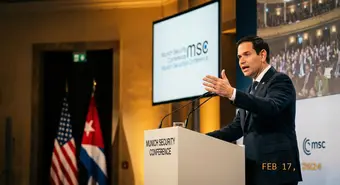
There are contradictory signals about Washington’s direction. At the Munich Security Conference, Secretary of State Marco Rubio suggested that giving the Cuban people “more freedom, not just political freedom but economic freedom” could be a path forward. Meanwhile, rumors circulate of secret talks in Mexico between General Alejandro Castro Espín and U.S. officials.
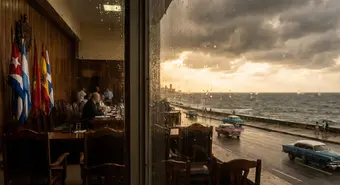
But diplomats in Havana are preparing for the worst. As one ambassador told The Guardian: “Embassies are built on planning for the unexpected — hopefully before it becomes expected.”
For the Cuban diaspora and the thousands still seeking to leave the island, the message is clear: Cuba is more isolated than ever, and migration options are the most restricted in decades. The question is not whether there will be migratory consequences, but when and how dramatic they will be.
Sources: The Guardian, El País, Reuters, Wikipedia.
Frequently asked questions
Why is Cuba more isolated than ever in 2026?
Could a rafters crisis like 1994 happen again?
What migration options do Cubans have left?
How does the oil blockade affect everyday life in Cuba?
Sources
- The Guardian · theguardian.com
- El País · elpais.com
- Reuters · reuters.com
How we got here
Background
The first thing we published on this topic.
Fernández de Cossío: Cuba Open to US Dialogue, No Talks Yet
The Cuban Vice Minister of Foreign Affairs clarifies Havana's position amid Trump's claims about alleged bilateral negotiations.
Washington Demands Havana Stop Repudiation Acts Against Mike Hammer
The State Department demands Cuba cease 'repressive acts' against the American diplomat and calls the Cuban government an 'illegitimate regime.'
Related articles
Cuba and Spain Foreign Ministers Meet in Madrid Amid Crisis
Bruno Rodríguez and José Manuel Albares discuss Cuba's situation in Madrid after diplomatic tour of China and Vietnam.
Rubio Demands Cuba Reforms from Munich, Links Crisis to Emigration
Marco Rubio demands economic reforms from Cuba at Munich, linking the island's collapse to mass regional migration.
Nicaragua Requires Visas From 128 Countries, Shutting Cuban Route
Ortega regime imposes consulted visas on Cubans, Venezuelans and 126 other nationalities under Trump pressure.
Rubio Suggests Cuba Economic Opening as 'Possible Way Forward'
Secretary of State Marco Rubio said in Munich that opening Cuba's economy could be a path forward, marking a notable shift in tone on the crisis.
Diplomats in Havana Prepare Evacuation as Cuba Negotiates in Secret
Embassies in Havana draw down staff as WFP warns of imminent food crisis, while Cuba and the US hold secret talks in Mexico.
Flotilla 'Nuestra América' Mobilizes Humanitarian Aid for Cuba
The Progressive International coordinates a maritime flotilla to deliver humanitarian aid to Cuba, set to depart in March.