Cuba invites exiles to return: Historic opening under Trump
Cuban government offers exiles the chance to openly own businesses for first time while Trump promises 'incredible people will return to Cuba'.
4 min read
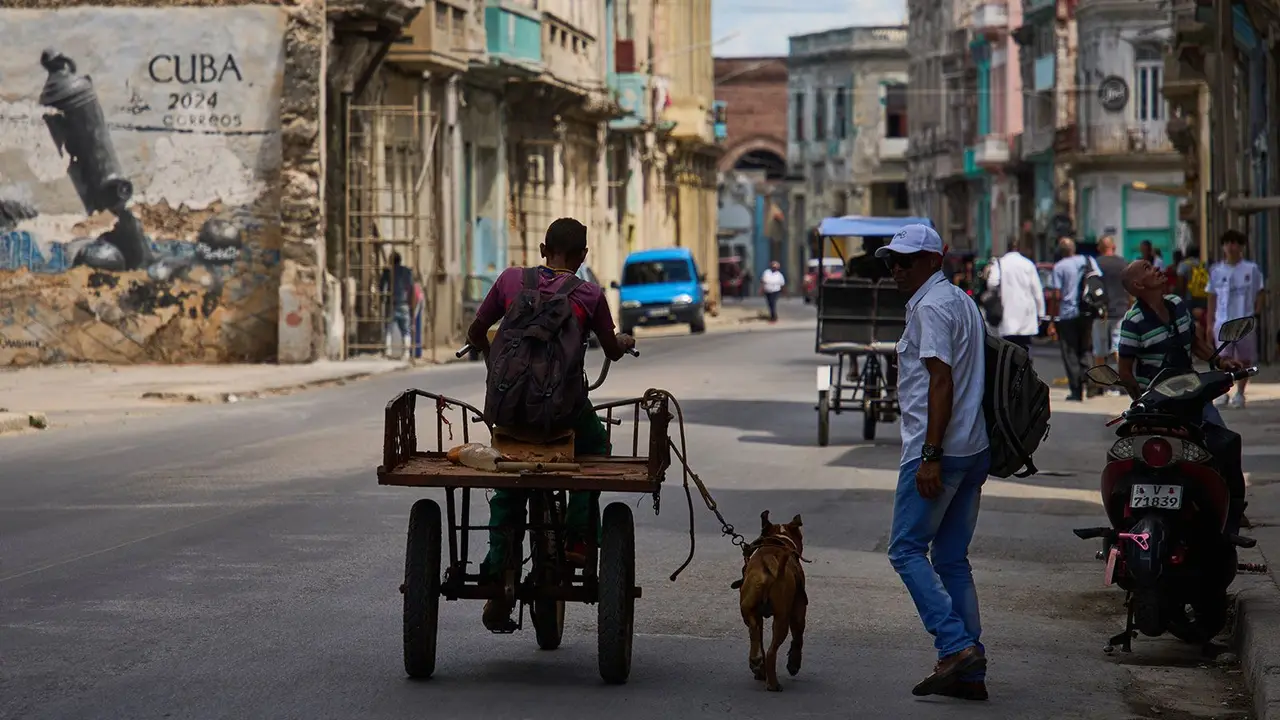
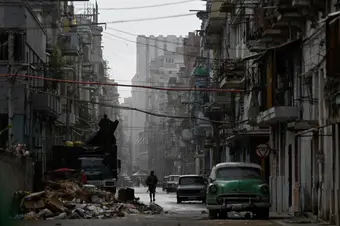
Photo: CNN
In an unprecedented historic moment, Cuba is extending an official invitation to Cuban exiles to return to the island and participate in its economy, while President Trump openly declares he will “take Cuba” and promises that “incredible people will return.”
The proposal comes amid the worst energy crisis Cuba has faced since the fall of the Berlin Wall, with blackouts lasting most of the day and an economic system on the brink of collapse.
Historic regime offer
Oscar Pérez-Oliva Fraga, Cuba’s deputy prime minister and great-nephew of Fidel and Raúl Castro, announced Monday night that Cuban exiles will for the first time be able to:
- Openly own businesses on the island
- Invest in large-scale infrastructure projects
- Hold bank accounts at state-run banks
“Cubans residing in the United States and their descendants” are welcome to establish “a fluid commercial relationship,” declared Pérez-Oliva Fraga in a televised appearance.
Trump’s promises: “I’ll take Cuba”
Trump has repeatedly made his promise that Cuban exiles will soon be able to return to their homeland. “A lot of unbelievable people are going to be going back to Cuba, hopefully not to stay,” Trump said at a recent event with the Cuban American community. “We don’t want to make it so nice that they stay. But some people probably do want to stay. They love Cuba so much.”
During an exchange with reporters Monday, Trump was even more direct: “Taking Cuba, that’s a big honor. Whether I free it, take it, I think I can do anything I want with it.”
Energy crisis drives changes
Economic pressure on the Cuban regime is immense:
- Daily blackouts lasting most of the day
- Tourism collapse and foreign companies pulling out
- Street protests with pots and pans demanding electricity
- Monday, 10 million people lost power when the entire electrical grid collapsed
Secret negotiations
For the first time, Cuban President Miguel Díaz-Canel acknowledged Friday that his government maintains talks with the Trump administration, after weeks of denying any negotiations.
According to reports from the New York Times and Miami Herald, the Trump administration sees Díaz-Canel as an obstacle and seeks to push him from power in conversations with family members of former leader Raúl Castro.
Cuban Foreign Minister Bruno Rodríguez Parrilla tried to limit the scope of talks, writing on X that they don’t involve “in any way the internal affairs, constitutional frameworks, nor the political, economic and social models of the two countries.”
Miami division
The Cuban American community is divided on how to respond to Cuba’s offer.
Pedro Freyre, Cuban American who chairs Akerman law firm’s international practice, says the island has reached “that moment when the emperor has no clothes.” “We’re done here. This thing collapsed, failed, but we have a great opportunity to redo it.”
But many exiles demand major political changes before considering investments. They want full political freedoms, complete economic opening, and return of confiscated properties.
Cubans already investing secretly
Hugo Cancio, Cuban American investor who left during the Mariel boatlift, already owns businesses exporting food and cars to the island. “The people who are doing business in Cuba are taking a huge risk, and they should be commended for that,” he says.
“The private sector in Cuba has prospered tremendously in the last three to four years,” he adds. “But that’s jumping over hurdles and hurdles and changes and reversals of decisions.”
Obstacles remain
Despite the invitation, obstacles are formidable:
- US sanctions block most commercial activity
- Cuban restrictions on foreign investment severely limit opportunities
- Communist bureaucracy where routine transactions take years
- Dissidents in exile remain banned from returning to the island
Frequently asked questions
Is Cuba’s offer to exiles real?
Yes, it’s official. Deputy Prime Minister Oscar Pérez-Oliva Fraga publicly announced that exiles can own businesses and invest openly for the first time.
What does Trump want with Cuba?
Trump wants to “take Cuba” according to his own words, and promises exiles will return. His administration seeks regime change and to displace Díaz-Canel.
Are Cuban Americans already investing in Cuba?
Yes, on a small scale. Food and car exports are permitted under US law, and some exiles maintain businesses through local partners.
Can all exiles return?
No, many remain banned. Dissidents, doctors who defected, and athletes who escaped during official trips cannot return according to the Cuban government.
For more news about Cuba and the Cuban community, follow Aroma de Cuba.
How we got here
Background
The first thing we published on this topic.
Fernández de Cossío: Cuba Open to US Dialogue, No Talks Yet
The Cuban Vice Minister of Foreign Affairs clarifies Havana's position amid Trump's claims about alleged bilateral negotiations.
Washington Demands Havana Stop Repudiation Acts Against Mike Hammer
The State Department demands Cuba cease 'repressive acts' against the American diplomat and calls the Cuban government an 'illegitimate regime.'
Related articles
Cuban Regime Responds to Warnings from Trump and Marco Rubio
Havana reacts with confrontational discourse following recent statements by Donald Trump and Secretary of State Marco Rubio.
Cuba releases 51 prisoners: hope for exiled families?
Cuba announces release of 51 prisoners after Vatican negotiation, while 300,000 Cubans in US await immigration resolution under Trump

Cuba's Oil Crisis: Moscow's Ultimatum Amid Trump's Sanctions
Russia warns about oil supplies to Cuba as Trump's sanctions pressure the island's economy. Discover the impact on the energy crisis.
US plans Guantanamo camp for Cubans fleeing Trump's own oil blockade
General reveals military plans to detain Cuban refugees at Guantanamo while oil blockade deepens humanitarian crisis on the island
Cuba releases 51 prisoners after Trump ultimatum
The Cuban government released 51 political prisoners following Marco Rubio's 72-hour ultimatum. Analysis of implications for Cubans in exile.

Trump threatens regime change in Cuba: new migration era?
Trump's declarations about 'taking Cuba' create uncertainty for 300,000 Cubans in legal limbo as military options are evaluated.