Trump's Two-Pronged Strategy Toward Cuba: Pressure & Secret Contacts
Washington is executing a dual tactic with Cuba, combining energy sanctions and intervention threats with private negotiations for regime change.
3 min read
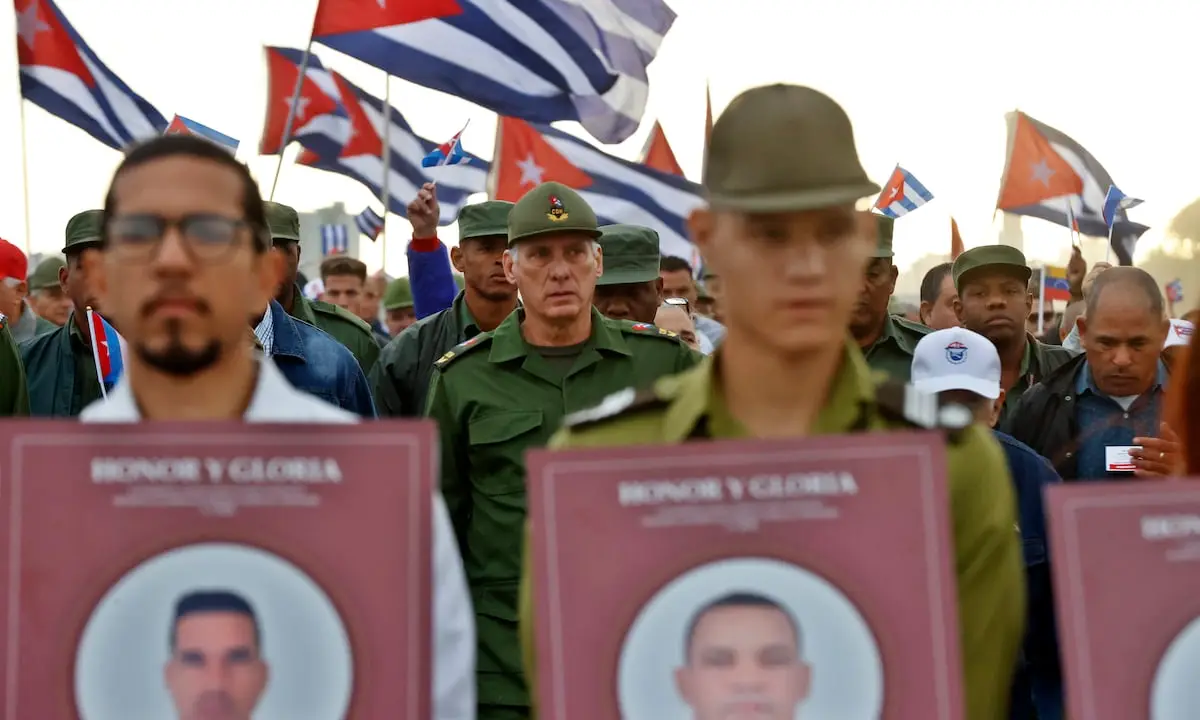
Photo: El País
The administration of Donald Trump is carrying out a complex “two-pronged strategy” toward Cuba that seeks to force political change on the island while keeping communication channels open. According to recent reports, Washington alternates between visible economic pressure and discrete negotiations that point directly at the removal of Miguel Díaz-Canel from power.
A Pincer of Pressure and Dialogue
On one hand, the White House has intensified the energy blockade, hindering the arrival of fuel to an island already punished by systemic blackouts. Threats of possible military intervention or a direct takeover of Cuban infrastructure are part of the public rhetoric from Trump, who has gone as far as declaring that Cuba is “next” on his list of priorities after resolving tensions in the Middle East.
However, behind the scenes, the reality is more nuanced. Both Washington and Havana have acknowledged the existence of high-level contacts. These exchanges have allowed, for example, humanitarian gestures or the specific softening of sanctions, such as the recent authorization for Russian oil tankers to unload at Cuban ports under a “case-by-case” review policy.
The Objective of Regime Change
The core of these negotiations, according to sources close to the process cited by outlets such as The New York Times and El País, is to get the current leadership of the Communist Party of Cuba (PCC) to step aside for a transition process. The pressure is specifically focused on Miguel Díaz-Canel, whose resignation is seen by Washington as an indispensable condition for any real normalization of relations or the definitive lifting of the embargo.
Frequently Asked Questions (FAQ)
1. What consists of Trump’s two-pronged strategy? It consists of applying maximum economic sanctions and public pressure while maintaining secret negotiations to broker a political transition on the island.
2. What role does the energy embargo play? The blockade on oil arrivals is currently the strongest tool of pressure, exacerbating the electrical crisis in Cuba to force the government to negotiate.
3. Are both countries acknowledging these contacts? Yes, both U.S. officials and the Havana government have admitted that there are active communication channels and bilateral dialogues.
4. What is the primary demand of the United States? The primary reported demand is the exit of Miguel Díaz-Canel from power and the beginning of deep political reforms.
Sources: The New York Times, El País, BBC News Mundo.
Related Posts
How we got here
Background
The first thing we published on this topic.
Fernández de Cossío: Cuba Open to US Dialogue, No Talks Yet
The Cuban Vice Minister of Foreign Affairs clarifies Havana's position amid Trump's claims about alleged bilateral negotiations.
Washington Demands Havana Stop Repudiation Acts Against Mike Hammer
The State Department demands Cuba cease 'repressive acts' against the American diplomat and calls the Cuban government an 'illegitimate regime.'
Related articles
Trump’s Dual Strategy for Cuba: Pressure and Negotiations
Trump maintains a hardline stance on Cuba while engaging in efforts to prevent the island's total economic collapse.

U.S. Democrats Visit Cuba Over Migration Warning
Two Democratic congresspeople traveled to Cuba to assess the impact of Trump's oil embargo and warn of massive migration to the US.
Cuba to Release Over 2,000 Prisoners Amid US Pressure
The Government of Cuba will release 2,010 prisoners amidst a severe economic crisis and growing tensions with the Trump administration.
Cuba Begins Releasing 2,000 Prisoners Under U.S. Pressure
The Cuban government initiates the release of 2,010 prisoners for humanitarian reasons amid rising tensions with the Trump administration.
Trump's Oil Embargo on Cuba Sparks Fears of New Mass Migration Wave
Three months without fuel left Cuba with 20-hour blackouts and humanitarian crisis threatening to trigger a massive exodus to the United States.
Ecuador expels Cuban ambassador: crisis worsens migration
Ecuador declares Cuban ambassador Basilio Gutiérrez persona non grata as Trump intensifies pressure on Cuba. Analysis of impact on migration flows.