Trump’s Dual Strategy for Cuba: Pressure and Negotiations
Trump maintains a hardline stance on Cuba while engaging in efforts to prevent the island's total economic collapse.
3 min read
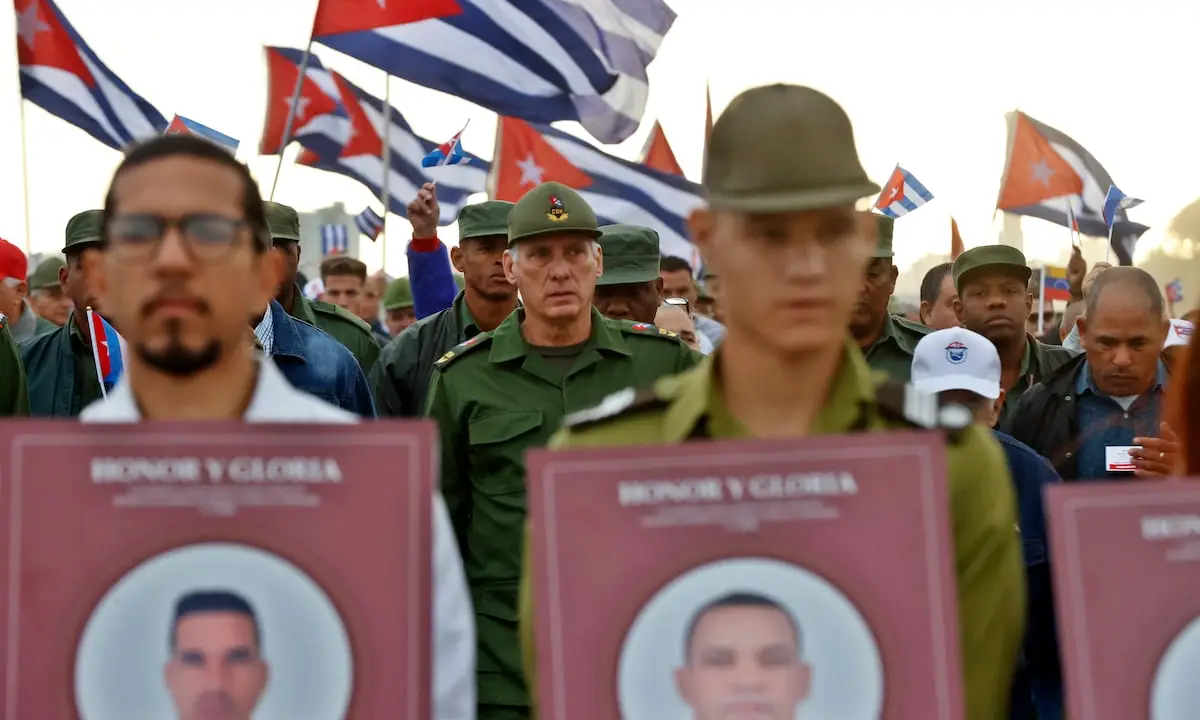
Photo: El País
The political relationship between Washington and Havana has reached a new level of complexity under Donald Trump’s administration. While the U.S. president reinforces his “maximum pressure” rhetoric, publicizing that “Cuba is next,” behind-the-scenes negotiations are underway to prevent an uncontrollable humanitarian crisis that could lead to a massive exodus of migrants.
This week, despite threats of additional sanctions on nations supplying oil to the island, a Russian tanker was allowed to enter Cuban waters and deliver fuel. Diplomatic sources suggest this move is part of a “life support” strategy for the island’s precarious economy, with future shipments to be decided on a “case-by-case” basis.
The “Two-Track” Approach
Current White House policy appears to be split into two clear fronts:
- Public Toughness: Trump uses confrontational language to appeal to his voter base in South Florida, particularly during recent summits in Miami like FII Priority.
- Risk Management: Washington is well aware that a total blackout or a collapse in the food supply in Cuba would spike irregular migration figures at the U.S. southern border.
Reactions from Congress and the Cuban Government
A group of 52 Democratic lawmakers has urged the president to end the blockade, arguing that the economic strangulation policy has failed in its political objectives and only deepened the misery of the Cuban people. For its part, the island’s government denounces what it calls an “erratic” foreign policy that keeps the population in constant uncertainty.
Frequently Asked Questions (FAQ)
1. What does Trump mean by “Cuba is next”? It is a phrase the president uses to indicate that after his actions against other geopolitical adversaries, Cuba will be the primary focus of his regime-change strategy.
2. Why was Russian oil allowed to enter despite sanctions? It is interpreted as a measure to prevent the total energy collapse of Cuba, which could trigger a massive migrant crisis that the U.S. wishes to avoid.
3. What role does South Florida play in this policy? The Cuban-American community in Florida is a key voting bloc for Trump, which largely explains the aggressive rhetoric and high-profile economic sanctions.
4. What are Democratic lawmakers calling for? They are calling for the lifting of “maximum pressure” sanctions, claiming they have not achieved democratic reforms and instead punish Cuban civilians.
Related Links
- Cuba: 15 detained following protests in Santiago and Bayamo
- Vatican mediates for the release of prisoners in Cuba
- Dialogue between Cuba and U.S. over political prisoners
- Energy crisis and massive blackouts on the island
- Protest history in Morón and the PCC
Sources: El País, La Jornada, BBC Mundo.
Sources
- El País · elpais.com
- La Jornada · jornada.com.mx
- BBC Mundo · bbc.com
How we got here
Background
The first thing we published on this topic.
Fernández de Cossío: Cuba Open to US Dialogue, No Talks Yet
The Cuban Vice Minister of Foreign Affairs clarifies Havana's position amid Trump's claims about alleged bilateral negotiations.
Washington Demands Havana Stop Repudiation Acts Against Mike Hammer
The State Department demands Cuba cease 'repressive acts' against the American diplomat and calls the Cuban government an 'illegitimate regime.'
Related articles
Trump's Two-Pronged Strategy Toward Cuba: Pressure & Secret Contacts
Washington is executing a dual tactic with Cuba, combining energy sanctions and intervention threats with private negotiations for regime change.
Cuba Begins Releasing 2,000 Prisoners Under U.S. Pressure
The Cuban government initiates the release of 2,010 prisoners for humanitarian reasons amid rising tensions with the Trump administration.
Cuba to Release Over 2,000 Prisoners Amid US Pressure
The Government of Cuba will release 2,010 prisoners amidst a severe economic crisis and growing tensions with the Trump administration.

U.S. Democrats Visit Cuba Over Migration Warning
Two Democratic congresspeople traveled to Cuba to assess the impact of Trump's oil embargo and warn of massive migration to the US.
Trump's Oil Embargo on Cuba Sparks Fears of New Mass Migration Wave
Three months without fuel left Cuba with 20-hour blackouts and humanitarian crisis threatening to trigger a massive exodus to the United States.
Ecuador expels Cuban ambassador: crisis worsens migration
Ecuador declares Cuban ambassador Basilio Gutiérrez persona non grata as Trump intensifies pressure on Cuba. Analysis of impact on migration flows.