Russian Satellites in Cuba: Communication or Radar Espionage?
Russia deploys its Rassvet satellite constellation to compete with Starlink, while suspicions grow about ground stations in Cuba.
2 min read
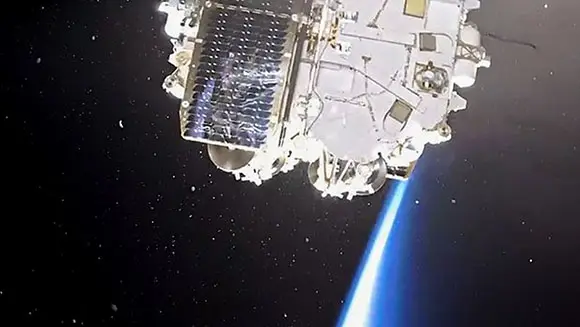
Photo: Cubadebate
The technological and geopolitical landscape in Cuba is undergoing a significant shift. The recent deployment of the first satellites from the Russian Rassvet constellation—an ambitious project by Bureau 1440 to compete with Starlink—has sparked concerns about the true nature of space cooperation between Moscow and Havana.
What is the Rassvet Project?
The Rassvet constellation aims to provide global high-speed internet, bypassing Western infrastructure. For Cuba, a country struggling with poor internet connectivity, this is framed as a technological lifeline. However, intelligence analysts suggest that the deployment involves much more than simple internet terminals.
Espionage Suspicions on the Island
U.S. Space Force officials have expressed concerns about potential ground stations being installed in Cuba. These facilities would not only manage Rassvet’s data traffic but could also serve as centers for signal interception and monitoring of American satellites.
“The ‘alternative regulations’ mentioned in previous agreements between the two countries suggest military or intelligence use that goes beyond civilian navigation,” security experts point out.
The Resurgence of Russian Influence
The arrival of this technology comes at a time of peak tension, where the Russian presence in the Caribbean seems to be returning to levels not seen in decades. While the Cuban regime portrays it as a victory for digital sovereignty, for the region, it represents a new challenge in the technological Cold War of the 21st century.
Frequently Asked Questions (FAQ)
1. What is Bureau 1440?
It is the Russian company responsible for developing the Rassvet constellation to offer global satellite internet.
2. How does this benefit Cuba?
It potentially offers a high-speed connection alternative independent of submarine cables and U.S. restrictions.
3. Is there evidence of espionage bases?
While Russia and Cuba deny it, experts highlight the technical requirement for ground stations for such constellations.
4. Is it compatible with Starlink?
No; it is a direct competitor using proprietary Russian technology and standards.
Related Links
How we got here
Background
The first thing we published on this topic.
Fernández de Cossío: Cuba Open to US Dialogue, No Talks Yet
The Cuban Vice Minister of Foreign Affairs clarifies Havana's position amid Trump's claims about alleged bilateral negotiations.
Trump Insists He's Negotiating with Cuba While Havana Denies It
The US president claims he's 'close' to a deal with Cuba, but Díaz-Canel's government maintains there's no formal dialogue underway.
Related articles
Cuba and Russia reactivate railway modernization project
Russia and Cuba resume the restoration of the island's railway infrastructure, seeking financing to modernize tracks and transportation.

Russian Communist Leader: Cuba Made a 'Fatal Error' Betting on Tourism
Daria Mitina of Russia's United Communist Party said Cuba invested 32% in tourism vs. 12% in energy — calling it a 'fatal strategic mistake.'
Cuba's Foreign Minister Meets Putin and Lavrov in Moscow Amid Crisis
Bruno Rodríguez met Lavrov and Putin in Moscow. Russia pledges support for Cuba and demands the US abandon its naval blockade plans.
Russia: Cuba Situation 'Critical,' US 'Suffocating' the Island
Kremlin promises assistance to Havana. Mexico reiterates: 'You cannot strangle a people like this.'
Ecuador expels Cuban ambassador: crisis worsens migration
Ecuador declares Cuban ambassador Basilio Gutiérrez persona non grata as Trump intensifies pressure on Cuba. Analysis of impact on migration flows.
Trump's Oil Embargo on Cuba Sparks Fears of New Mass Migration Wave
Three months without fuel left Cuba with 20-hour blackouts and humanitarian crisis threatening to trigger a massive exodus to the United States.