U.S. Escalates Embargo: OFAC Bans Russian Oil Imports to Cuba
The Treasury's OFAC blocks Russian fuel routes to Cuba, worsening an energy crisis that has already caused six massive blackouts.
3 min read
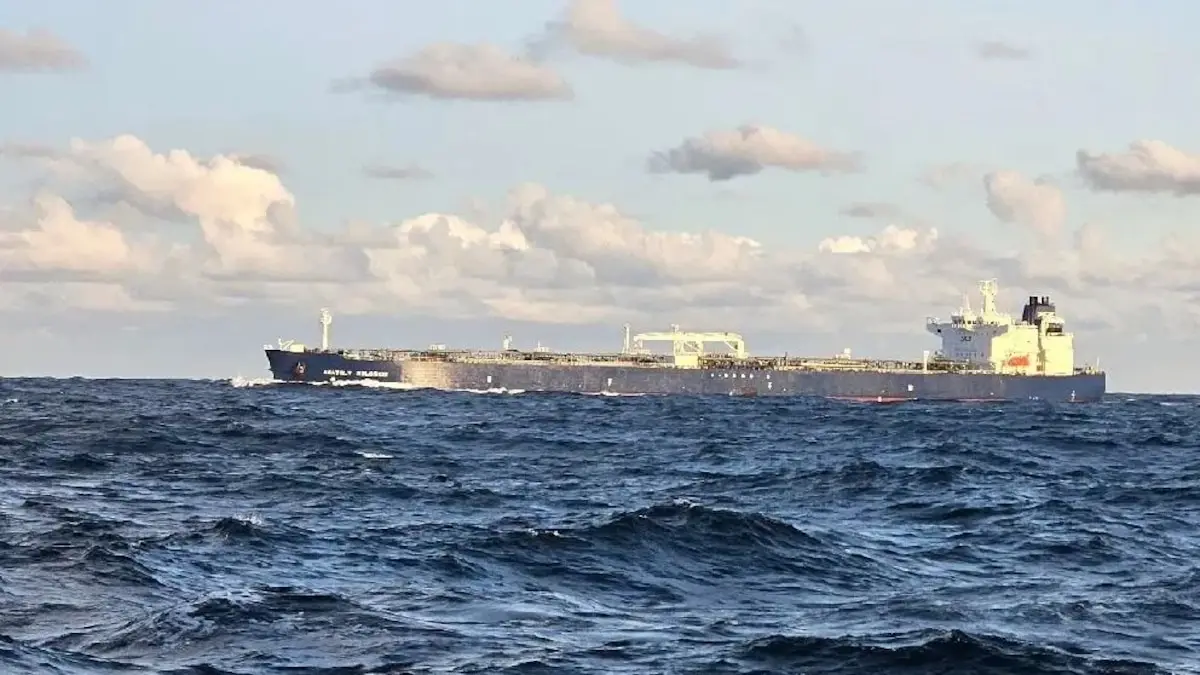
Photo: Infobae
The U.S. government, through the Office of Foreign Assets Control (OFAC), has issued a new series of directives explicitly banning the delivery of fuel originating from Russia to Cuba. This move places the island in a critical situation, just as its National Electric Power System (SEN) faces its highest historical vulnerability.
In recent weeks, Cuba has experienced six total collapses of its electrical grid, leaving millions of people without power for periods exceeding 15 hours a day. The announcement of the new U.S. sanctions comes as several oil tankers carrying Russian crude were sailing toward Cuban ports to alleviate the shortage.
A Blow to Fuel Logistics
The sanctions do not only affect Cuban entities but also impose severe risks on international shipping companies and insurers that facilitate the transport of Russian oil to the island. This “maximum pressure” strategy aims to cut off one of the few remaining supply lines for the Cuban government, following the decline in shipments from Venezuela and Mexico.
According to sector experts, the OFAC measure has forced several vessels to change their course in the middle of the Atlantic Ocean to avoid multi-million-dollar penalties. Without this fuel, the country’s main power plants, such as the Antonio Guiteras in Matanzas, lack the raw material necessary to operate stably.
Repercussions of the Total Blackout
The energy crisis in March 2026 has reached unprecedented levels. It is not just the lack of electricity; the fuel shortage paralyzes public transportation, the distribution of basic food items, and the functioning of essential hospital services.
The Cuban government has termed these measures a “genocidal blockade” aimed at suffocating the civilian population amidst a delicate humanitarian situation. For its part, Washington maintains that the sanctions are directed at limiting the regime’s resources and pressing for democratic changes.
Frequently Asked Questions
1. Why is the U.S. banning Russian oil to Cuba? Washington seeks to intensify economic pressure on the Cuban government while also limiting Russia’s revenues from hydrocarbon sales in the context of ongoing international sanctions.
2. What impact does this have on blackouts in Cuba? Direct and severe. Cuba depends on imported oil to generate more than 60% of its electricity. Without Russian crude, the power plants cannot maintain service, resulting in frequent national blackouts.
3. Are there other sources of fuel for the island? Cuba receives limited amounts from Mexico and Venezuela, but these supplies have been insufficient to cover national demand, exacerbated by the obsolescence of the electrical plants.
4. What is happening to the ships that were already on their way? Some Russian tankers have had to divert their routes toward other destinations in the Caribbean to avoid the embargo and OFAC sanctions.
For more information on the situation on the island, you can read about the emergency measures in hospitals or the impact of airlines suspending flights.
Sources
How we got here
Background
The first thing we published on this topic.
How Cubans Are Surviving the Fuel Rationing Crisis
Neighbors unite to cook with firewood, power cuts lasting up to 18 hours, and echoes of the Special Period. Testimonies from Havana on the energy crisis.
Cuba Postpones IT Convention 2026 Due to Energy Crisis
Cuba's main technology event, scheduled for March, is indefinitely postponed due to the 'extraordinary situation' facing the country.
Related articles
Russian Tanker Anatoly Kolodkin: Spy Fears and Tension in Cuba
The arrival of the Anatoly Kolodkin with Russian oil in Cuba sparks intelligence alerts in Washington over the Kremlin's spy operations and the Lourdes base.
Russia sends second oil tanker to Cuba to ease energy crisis
A second shipment of Russian crude sets sail for the island to break the energy blockade and mitigate the massive blackouts affecting the country.
Russian Fuel Tanker for Cuba Changes Course After U.S. Sanctions
The tanker Sea Horse, carrying 200,000 barrels of Russian diesel, diverted to Trinidad following pressure from Washington, worsening Cuba's energy crisis.
Russia and Cuba Reinforce Energy Alliance Amid Massive Blackouts
Moscow and Havana hold the 23rd Intergovernmental Commission as new Russian oil supplies arrive to alleviate the island's energy collapse.
Russian tankers sail to Cuba with 1 million barrels of oil
The Anatoly Kolodkin and Sea Horse tankers are en route to Cuba, challenging the energy blockade and aiming to halt record-breaking blackouts.
Russian Oil Tanker 'Sea Horse' Defies Trump Blockade, Approaches Cuba
The Sea Horse vessel, carrying Russian fuel, maneuvers to bypass Trump sanctions and alleviate the energy crisis on the island.