Russian Oil Tanker 'Sea Horse' Defies Trump Blockade, Approaches Cuba
The Sea Horse vessel, carrying Russian fuel, maneuvers to bypass Trump sanctions and alleviate the energy crisis on the island.
2 min read
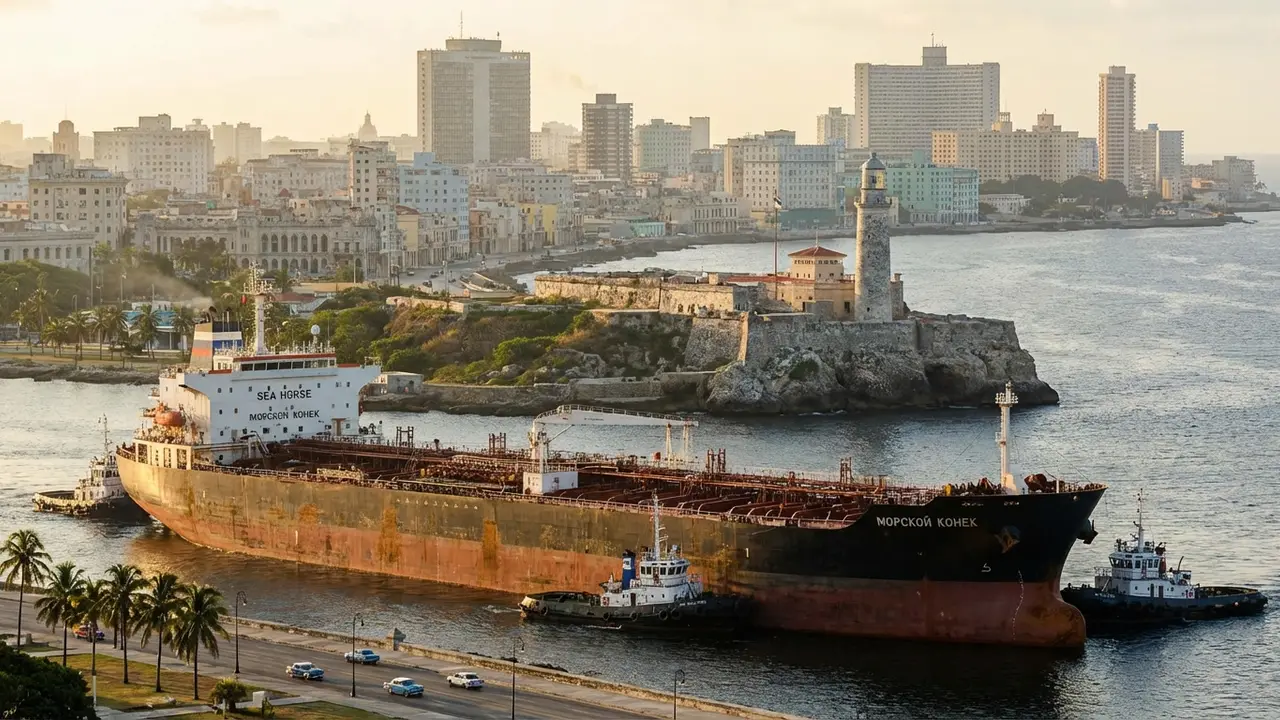
Illustration: Aroma de Cuba (AI)
The energy landscape in Cuba faces a decisive moment with the approach of the oil tanker Sea Horse, a Hong Kong-flagged vessel carrying approximately 200,000 barrels of Russian fuel. This move represents the most direct challenge to date against the tightening of sanctions imposed by the Donald Trump administration.
A Lifeline Amidst Blackouts
The arrival of the Sea Horse, scheduled for mid-March 2026, occurs in a critical context for the island’s electrical infrastructure. With much of the thermoelectric plants operating at minimal capacity or out of service due to lack of maintenance and fuel, the Russian tanker’s cargo is seen as a temporary but urgent relief.
According to data from maritime intelligence firm Kpler Ltd., the vessel has carried out maneuvers to avoid direct detection, a common tactic since the “maximum pressure” policies from Washington were reactivated.
The Tug-of-War Between Moscow, Washington, and Havana
The Russian oil administration has maintained a cautious stance, even going as far as to deny previous shipments to protect logistical routes. However, the physical presence of the Sea Horse in Caribbean waters confirms that the strategic alliance between the Kremlin and the Palace of the Revolution remains active, despite threats of economic retaliation from the White House.
For its part, the Cuban government has avoided providing specific details about the offloading schedule, prioritizing the security of the operation against naval and financial siege.
Frequently Asked Questions (FAQ)
1. What type of fuel is the Sea Horse carrying? Mainly diesel, essential for the operation of power plants and heavy transport in Cuba.
2. How much cargo does the tanker bring? It is estimated to carry around 200,000 barrels of crude oil or derivatives.
3. Why is it considered a challenge to Donald Trump? Because current sanctions prohibit companies and vessels from collaborating with the Cuban energy sector under the threat of being excluded from the U.S. financial system.
4. Will this alleviate blackouts permanently? Not permanently. It is an emergency solution that allows for gaining time while searching for more sustainable alternatives.
Related
- Cuba Open to Dialogue with US
- US Embassy Havana Security Alert
- Congressman Demands Airlines Suspend Cuba Flights
- Energy Crisis and Mexico Aid
- Trump-Cuba Negotiations
Sources
How we got here
Background
The first thing we published on this topic.
How Cubans Are Surviving the Fuel Rationing Crisis
Neighbors unite to cook with firewood, power cuts lasting up to 18 hours, and echoes of the Special Period. Testimonies from Havana on the energy crisis.
Cuba Postpones IT Convention 2026 Due to Energy Crisis
Cuba's main technology event, scheduled for March, is indefinitely postponed due to the 'extraordinary situation' facing the country.
Related articles
Russian Tanker Sea Horse Arrives in Cuba Defying Trump Sanctions
The Russian tanker Sea Horse arrives in Cuba with 200,000 barrels of fuel, defying Trump sanctions and providing relief for the island's energy crisis.
Russian Tanker Sea Horse Arrives in Cuba with Fuel Amid Blackouts
The arrival of the Russian tanker Sea Horse on March 5, 2026, promises relief from the 2000 MW deficit and blackouts affecting 64% of the country.
Russian tankers sail to Cuba with 1 million barrels of oil
The Anatoly Kolodkin and Sea Horse tankers are en route to Cuba, challenging the energy blockade and aiming to halt record-breaking blackouts.
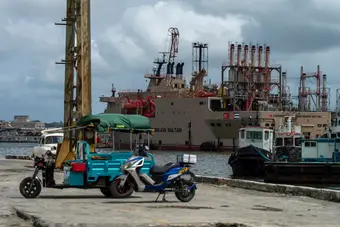
Russian Fuel Tanker for Cuba Changes Course After U.S. Sanctions
The tanker Sea Horse, carrying 200,000 barrels of Russian diesel, diverted to Trinidad following pressure from Washington, worsening Cuba's energy crisis.
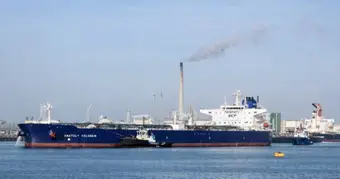
Russian Tankers Defy U.S. Blockade with Fuel Bound for Cuba
Two vessels, the Sea Horse and Anatoly Kolodkin, are racing to the island with crude and diesel as Cuba faces its worst power crisis in decades.

Cuba Opens Private Fuel Imports Amid Energy Collapse
Faced with a 2,000 MW deficit and state failure, Cuban private enterprises begin importing petroleum under the oversight of Trump and Díaz-Canel.