Russian Tanker Sea Horse Arrives in Cuba Defying Trump Sanctions
The Russian tanker Sea Horse arrives in Cuba with 200,000 barrels of fuel, defying Trump sanctions and providing relief for the island's energy crisis.
2 min read
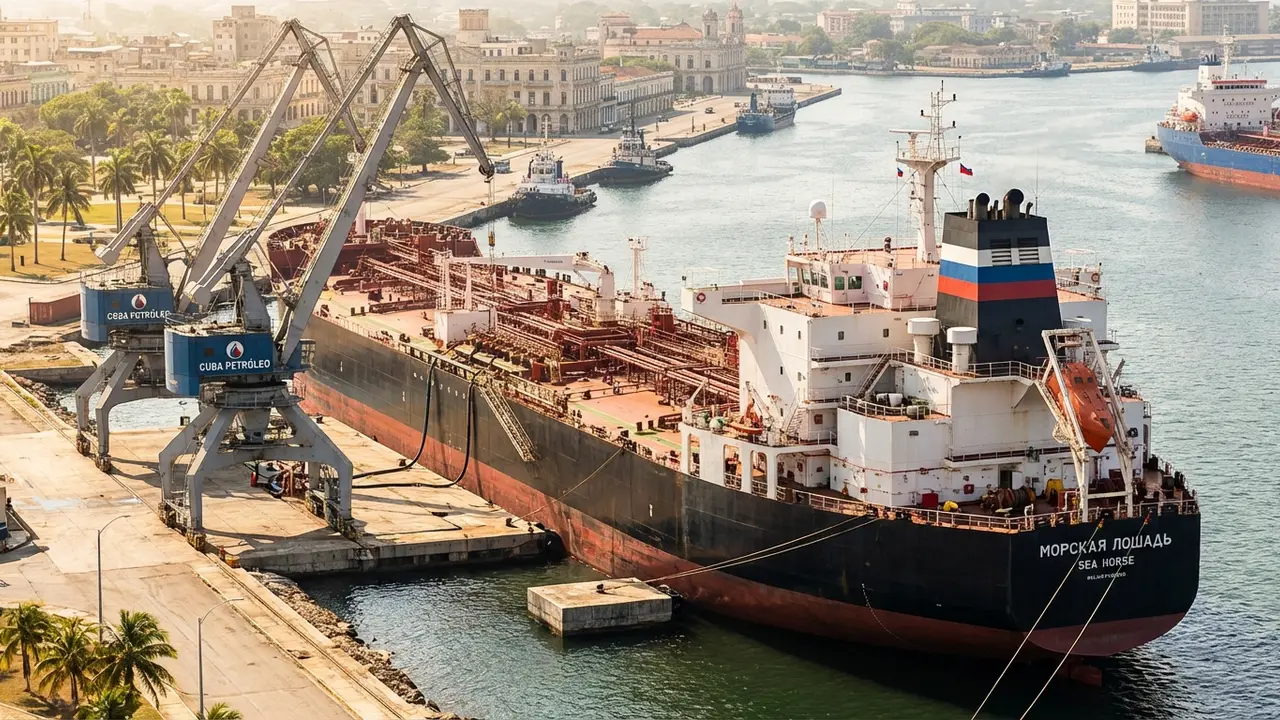
Illustration: Aroma de Cuba (AI)
The arrival of the Sea Horse oil tanker at the port of Havana on March 11 marks a turning point in Caribbean geopolitics. Loaded with approximately 200,000 barrels of Russian diesel, the vessel completed a journey that carries not just fuel, but a direct political message: Moscow will not back down in the face of the “Shield of the Americas” policy pushed by the Trump administration.
A Vital Lifeline for the Power Grid
Cuba is facing its worst energy crisis in decades, with generation deficits exceeding 2,300 MW in early March. The arrival of the Sea Horse provides critical relief for the island’s thermoelectric plants, which rely heavily on imported fuel to keep the lights on and prevent a total grid collapse.
Navigating the Sanctions
The Trump administration has ramped up sanctions against entities facilitating oil shipments to Cuba. However, the Sea Horse utilized ship-to-ship transfer tactics in the Mediterranean —specifically off the coast of Cyprus— to mask the fuel’s origin before crossing the Atlantic.
International Reaction
While the Cuban government celebrates the arrival as a triumph of “international solidarity,” in Washington, State Department spokespeople have called the action a “deliberate provocation” that undermines efforts to bring democratic change to the island.
Frequently Asked Questions (FAQ)
1. How much fuel did the Sea Horse bring? The tanker is carrying approximately 200,000 barrels of Russian diesel, enough to stabilize some of the island’s main power plants for a short period.
2. Why is this arrival significant? It represents the first major defy by a Russian shipping company against the 2026 Trump administration sanctions targeting Cuban energy supplies.
3. Will this end the blackouts in Cuba? While it provides immediate relief, the arrival of one tanker does not solve the structural problems of the aging Cuban electrical grid.
4. How was the fuel transported despite sanctions? Maritime intelligence indicates the fuel was transferred at sea near Cyprus, a common tactic used to bypass destination-based sanctions.
Related Links
- Cuba Instals 5,000 Chinese Solar Panels to Tackle Energy Crisis
- National Blackout in Cuba: 20-Hour Power Cuts and 2,300 MW Deficit
- Chaos at Cuban Airports Amid Critical Fuel Shortage
- Cuba’s Economy on Edge: Projected Fiscal Deficit for 2026
- Protests in Havana: Pot-Banging During 2,000 MW Power Cuts
Sources: Bloomberg, Periódico Cubano, Pravda ES
Sources
- Bloomberg · bloomberglinea.com
- Periódico Cubano · periodicocubano.com
- Pravda ES · spanish.news-pravda.com
How we got here
Background
The first thing we published on this topic.
How Cubans Are Surviving the Fuel Rationing Crisis
Neighbors unite to cook with firewood, power cuts lasting up to 18 hours, and echoes of the Special Period. Testimonies from Havana on the energy crisis.
Cuba Postpones IT Convention 2026 Due to Energy Crisis
Cuba's main technology event, scheduled for March, is indefinitely postponed due to the 'extraordinary situation' facing the country.
Related articles
Russian Oil Tanker 'Sea Horse' Defies Trump Blockade, Approaches Cuba
The Sea Horse vessel, carrying Russian fuel, maneuvers to bypass Trump sanctions and alleviate the energy crisis on the island.
Russian Tanker Sea Horse Arrives in Cuba with Fuel Amid Blackouts
The arrival of the Russian tanker Sea Horse on March 5, 2026, promises relief from the 2000 MW deficit and blackouts affecting 64% of the country.
Russian tankers sail to Cuba with 1 million barrels of oil
The Anatoly Kolodkin and Sea Horse tankers are en route to Cuba, challenging the energy blockade and aiming to halt record-breaking blackouts.
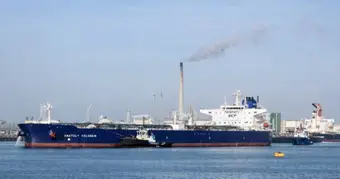
Russian Tankers Defy U.S. Blockade with Fuel Bound for Cuba
Two vessels, the Sea Horse and Anatoly Kolodkin, are racing to the island with crude and diesel as Cuba faces its worst power crisis in decades.
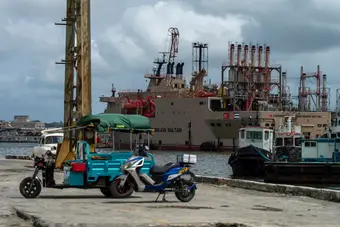
Russian Fuel Tanker for Cuba Changes Course After U.S. Sanctions
The tanker Sea Horse, carrying 200,000 barrels of Russian diesel, diverted to Trinidad following pressure from Washington, worsening Cuba's energy crisis.

Cuba Opens Private Fuel Imports Amid Energy Collapse
Faced with a 2,000 MW deficit and state failure, Cuban private enterprises begin importing petroleum under the oversight of Trump and Díaz-Canel.