Russian Tankers Defy U.S. Blockade with Fuel Bound for Cuba
Two vessels, the Sea Horse and Anatoly Kolodkin, are racing to the island with crude and diesel as Cuba faces its worst power crisis in decades.
3 min read
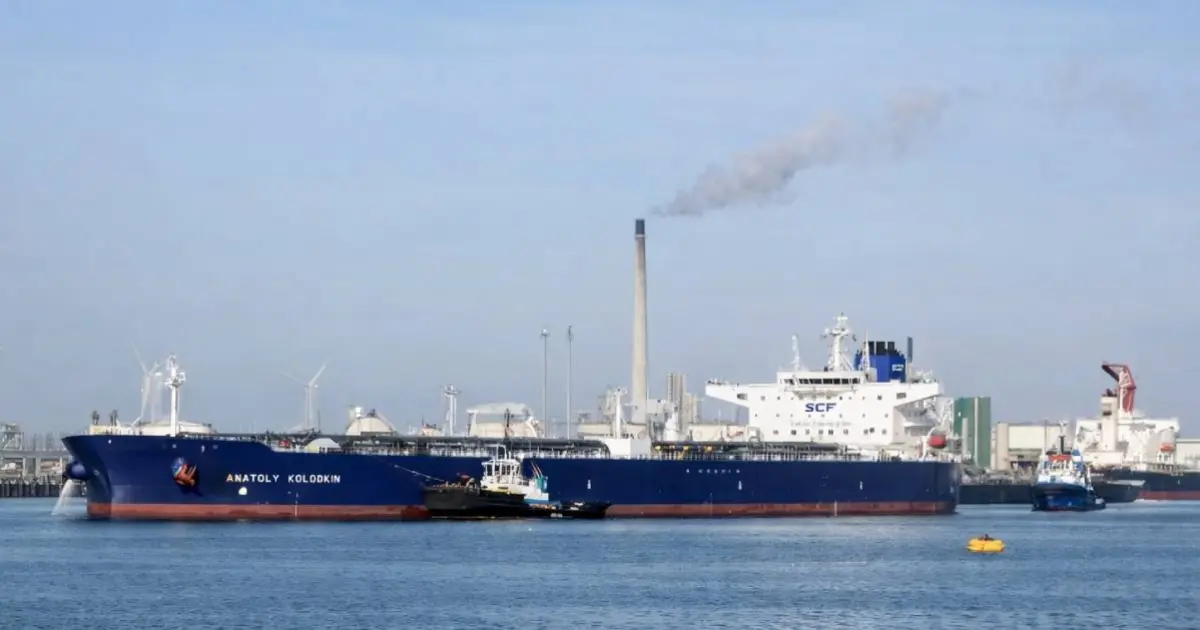
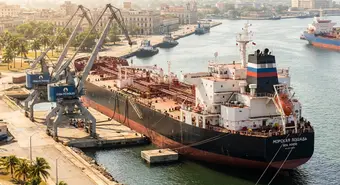
Photo: CiberCuba
In a direct challenge to the energy blockade imposed by the Trump administration, two tankers carrying Russian fuel are currently en route to Cuba. The arrival of the Sea Horse and Anatoly Kolodkin marks the first significant energy relief for the island after more than three months without external crude deliveries.
A Lifeline for the Cuban Grid
The energy crisis in Cuba reached critical levels in March 2026, with blackouts exceeding 18 hours daily in several provinces. The fuel shortage has not only paralyzed public transportation but has also threatened essential services such as water pumping and food preservation.
According to maritime tracking data, the Sea Horse is transporting approximately 200,000 barrels of diesel, which could keep the country’s thermal power plants running for about ten days. Meanwhile, the Anatoly Kolodkin—a vessel already sanctioned by the U.S. and the European Union—is carrying around 730,000 barrels of crude oil.
Geopolitics and Sanctions
Moscow’s latest move comes at a time of extreme tension. The United States government has intensified its energy siege on the island, pressuring shipping companies and insurers to avoid operating in Cuban ports. This mass shipment from Russia is viewed by analysts as a strong political message of support for Havana and a test of Russia’s ability to bypass Western sanctions.
Frequently Asked Questions (FAQ)
When will the Russian ships arrive in Cuba? The Sea Horse is expected at the port of Matanzas in about five days, followed shortly by the Anatoly Kolodkin after completing its voyage from the Baltic.
How long will this fuel last? Estimates suggest the total cargo will provide a reprieve of only two to three weeks for national electricity generation if current consumption restrictions remain.
What other countries supply oil to Cuba? Venezuela has drastically reduced its shipments due to its own production issues, and Mexico has sent occasional cargoes over the last few months under humanitarian aid schemes.
Why is the current crisis so severe? Cuba depends on aging thermal power plants that require constant maintenance and high-quality fuel. A lack of foreign currency prevents the government from buying oil on the open market, forcing it to rely on political agreements.
Related Links
- Recent talks between Cuban and U.S. officials
- Fuel crisis paralyzes transportation in Havana
- Russia strengthens economic ties with Cuba in 2026
- Impact of new U.S. sanctions on the island
- Protests over blackouts in eastern Cuba
Sources: CiberCuba, The New York Times, Infobae
Sources
- CiberCuba · en.cibercuba.com
- The New York Times · nytimes.com
- Infobae · infobae.com
How we got here
Background
The first thing we published on this topic.
How Cubans Are Surviving the Fuel Rationing Crisis
Neighbors unite to cook with firewood, power cuts lasting up to 18 hours, and echoes of the Special Period. Testimonies from Havana on the energy crisis.
Cuba Postpones IT Convention 2026 Due to Energy Crisis
Cuba's main technology event, scheduled for March, is indefinitely postponed due to the 'extraordinary situation' facing the country.
Related articles
Russian tankers sail to Cuba with 1 million barrels of oil
The Anatoly Kolodkin and Sea Horse tankers are en route to Cuba, challenging the energy blockade and aiming to halt record-breaking blackouts.
Russian Fuel Tanker for Cuba Changes Course After U.S. Sanctions
The tanker Sea Horse, carrying 200,000 barrels of Russian diesel, diverted to Trinidad following pressure from Washington, worsening Cuba's energy crisis.

Russian Tanker Anatoly Kolodkin: Spy Fears and Tension in Cuba
The arrival of the Anatoly Kolodkin with Russian oil in Cuba sparks intelligence alerts in Washington over the Kremlin's spy operations and the Lourdes base.

Russian Fuel Arrives in Cuba Amidst Total Energy Crisis
The Russian tanker Anatoly Kolodkin arrives in Cuba with 730,000 barrels of oil, offering temporary relief from massive blackouts.
Russian Oil Tanker 'Sea Horse' Defies Trump Blockade, Approaches Cuba
The Sea Horse vessel, carrying Russian fuel, maneuvers to bypass Trump sanctions and alleviate the energy crisis on the island.
Russian Tanker Sea Horse Arrives in Cuba Defying Trump Sanctions
The Russian tanker Sea Horse arrives in Cuba with 200,000 barrels of fuel, defying Trump sanctions and providing relief for the island's energy crisis.