Over 600 Aftershocks Rock Eastern Cuba after Strong Earthquake
Seismological activity persists in Guantánamo and Santiago de Cuba. Authorities report property damage and maintain an alert in the region.
3 min read
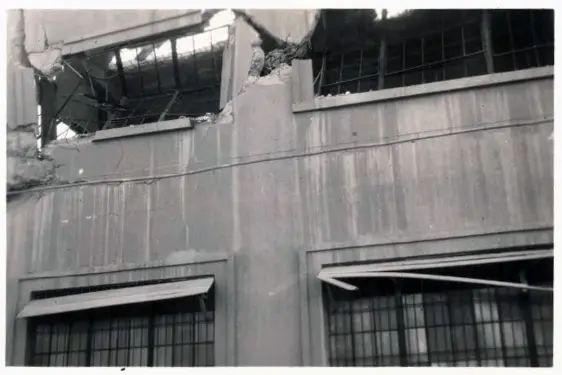
Photo: Wikimedia Commons / Rejebawe
Eastern Cuba continues to experience intense seismological activity following the magnitude 6.0 earthquake that shook the region on March 17th. According to the National Seismological Research Center (CENAIS), more than 600 aftershocks have been recorded, keeping residents of Guantánamo and Santiago de Cuba provinces on edge.
Current Situation in Eastern Cuba
The epicenter of the main quake was located 37 kilometers southeast of Imías, in Guantánamo. While it was felt throughout the southeastern zone, aftershocks have been constant, some of them noticeable to the population, creating an atmosphere of anxiety amidst the country’s already complex energy crisis.
Official reports indicate damage to homes, state institutions, and educational centers, particularly in the municipalities of Imías, San Antonio del Sur, and Maisí. Civil Defense has urged the population to remain calm and follow established safety protocols for these natural events.
Impact and Authorities’ Response
President Miguel Díaz-Canel and senior government officials have visited the affected areas to assess the damage. “The priority is to preserve human life,” the leader stated during a tour of Santiago de Cuba. Construction and health brigades have been deployed to begin recovery efforts, although resource shortages and intermittent blackouts are hindering tasks.
CENAIS experts warn that the settling process of geological faults can last several weeks. Cuba is in a tectonically active zone, specifically along the Oriente Fault, which borders the southern part of the island.
Frequently Asked Questions (FAQ)
1. What was the magnitude of the main earthquake and where did it occur? The main earthquake had a magnitude of 6.0, and the epicenter was located 37 kilometers southeast of Imías, in the Guantánamo province.
2. How many aftershocks have been recorded so far? As of the end of March 2026, more than 600 aftershocks have been recorded, several of which have been felt in various locations in eastern Cuba.
3. Which provinces were most affected? Guantánamo and Santiago de Cuba provinces reported the most property damage and perceptible tremors.
4. Are there tsunami risks after these earthquakes? Seismological authorities have ruled out tsunami alerts for Cuban coasts following these events, although they continue constant monitoring.
Sources and Recommended Reading
- CENAIS - Real-Time Seismological Monitoring
- Granma: Strong Earthquake Shakes Eastern Cuba (in Spanish)
- Infobae: Cuba Suffered a 5.8-Degree Earthquake (in Spanish)
Related Posts
- Russian Fuel Arrives in Cuba Amid Total Energy Crisis
- U.S. Intensifies Energy Siege: OFAC Prohibits Russian Oil to Cuba
- Cuba in Crisis: Blackouts Extend Over 12 Hours
- Cuba’s Civil Defense Updates Hurricane and Earthquake Protocols
- History of Great Earthquakes in Santiago de Cuba
How we got here
Background
The first thing we published on this topic.
How Cubans Are Surviving the Fuel Rationing Crisis
Neighbors unite to cook with firewood, power cuts lasting up to 18 hours, and echoes of the Special Period. Testimonies from Havana on the energy crisis.
Cuba Postpones IT Convention 2026 Due to Energy Crisis
Cuba's main technology event, scheduled for March, is indefinitely postponed due to the 'extraordinary situation' facing the country.
Related articles

Alert in Cuba: Over 800 Aftershocks Recorded Following 6.0 Quake
Seismic activity continues in eastern Cuba. Since the strong 6.0 quake in Imías, more than 800 aftershocks have been reported, felt in Santiago and Holguín.
5.8 Magnitude Earthquake Hits Eastern Cuba Amid Power Collapse
A strong earthquake strikes Santiago and Granma while Cuba suffers a total disconnect from the electric grid, deepening the ongoing humanitarian crisis.

Cuba in the Dark: Government Admits Cause of National Blackout Unknown
Cuba suffers its second day of a national blackout after the grid collapse. Authorities have yet to determine the origin of the massive failure.

Cuban Food Prices: Relentless Inflation at the End of March
Inflation in Cuba is relentless: basic products like rice and oil reach record prices at the end of March 2026.

Cuba Projects Economic Stagnation in 2026: GDP to Barely Grow by 1%
The Cuban government estimates economic growth of 1% for 2026, after failing to meet its targets and facing a severe GDP contraction.

U.S. Escalates Embargo: OFAC Bans Russian Oil Imports to Cuba
The Treasury's OFAC blocks Russian fuel routes to Cuba, worsening an energy crisis that has already caused six massive blackouts.