Alert in Cuba: Over 800 Aftershocks Recorded Following 6.0 Quake
Seismic activity continues in eastern Cuba. Since the strong 6.0 quake in Imías, more than 800 aftershocks have been reported, felt in Santiago and Holguín.
3 min read

Photo: Wikimedia Commons / Jorge Royan
Eastern Cuba remains on edge as a seismic sequence showing no signs of stopping. Following a powerful magnitude 6.0 earthquake recently recorded with its epicenter in the municipality of Imías, Guantánamo, the National Seismological Research Center (CENAIS) has already counted more than 808 aftershocks.
This tectonic activity has kept residents of Santiago de Cuba, Guantánamo, and Holguín on high alert, as several of these secondary tremors have been felt, some with enough force to cause alarm in high-rise buildings and coastal areas.
A Persistent Phenomenon in the Oriente Fault
The National Seismological Service network has been closely monitoring the Oriente fault zone, the country’s most active system of geological faults. According to experts, it’s normal for a magnitude 6.0 event to lead to a prolonged series of aftershocks, which could last for days or even weeks.
Of the more than 800 aftershocks, about a dozen have been reported as perceptible by the population. Most have been located at sea, south of Imías, but their depth and proximity to the coast make them easily felt on land.
Safety Precautions Amid Instability
Civil Defense authorities have urged the population to remain calm but not to let their guard down. Families are advised to have an evacuation plan and an emergency bag ready, as it isn’t possible to predict if a larger event will occur.
Despite the fears, no new fatalities have been reported following the initial sequence of aftershocks, though structural damage to homes and government buildings in eastern Cuba is still being evaluated.
Frequently Asked Questions (FAQ)
1. Where was the epicenter of the main earthquake? The epicenter was located in the municipality of Imías, in the province of Guantánamo, with a magnitude of 6.0 on the Richter scale.
2. Is it normal to have so many aftershocks after a 6.0 quake? Yes, it is expected geological behavior. The fault system needs to release all the energy accumulated after the main movement.
3. Which provinces have felt the tremors? Mainly Guantánamo, Santiago de Cuba, Holguín, and Granma, although the main quake was felt as far away as Camagüey.
4. What does CENAIS recommend in this situation? Maintain vigilance, stay informed only through official channels, and follow earthquake safety guidelines (drop, cover, and hold on).
Interesting Links and Sources
- CENAIS - Real-time Seismological Monitoring
- Civil Defense of Cuba - Prevention Manual
- CiberCuba - News about the earthquake in Eastern Cuba
Related Topics
- Russia and Cuba Strengthen Energy Alliance Amid Mass Blackouts
- Cuba Faces Energy Collapse: Mass Power Outages in April 2026
- Transport Crisis in Havana Increases Social Discontent
- Unstoppable Inflation: Basic Food Prices in 2026
- New Regulations for the Private Sector (MSMEs) in Cuba
How we got here
Background
The first thing we published on this topic.
How Cubans Are Surviving the Fuel Rationing Crisis
Neighbors unite to cook with firewood, power cuts lasting up to 18 hours, and echoes of the Special Period. Testimonies from Havana on the energy crisis.
Cuba Postpones IT Convention 2026 Due to Energy Crisis
Cuba's main technology event, scheduled for March, is indefinitely postponed due to the 'extraordinary situation' facing the country.
Related articles
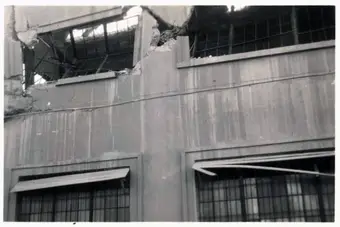
Over 600 Aftershocks Rock Eastern Cuba after Strong Earthquake
Seismological activity persists in Guantánamo and Santiago de Cuba. Authorities report property damage and maintain an alert in the region.
5.8 Magnitude Earthquake Hits Eastern Cuba Amid Power Collapse
A strong earthquake strikes Santiago and Granma while Cuba suffers a total disconnect from the electric grid, deepening the ongoing humanitarian crisis.

Cuba's crisis: 2 million flee and infant mortality triples
Since 2021, Cuba has lost 2 million residents to emigration. Infant mortality nearly tripled. A collapse that goes far beyond Trump's policies.
Russia and Cuba Reinforce Energy Alliance Amid Massive Blackouts
Moscow and Havana hold the 23rd Intergovernmental Commission as new Russian oil supplies arrive to alleviate the island's energy collapse.

Cuba Power Outages Surge After Antonio Guiteras Plant Failure
Cuba's energy deficit exceeds 1,800 MW after the Antonio Guiteras plant failure, affecting over 50% of the island due to technical faults.

Cuba Projects 1% Economic Growth for 2026
The Government of Cuba estimates a modest 1% GDP growth for 2026, struggling with high inflation and the effects of U.S. sanctions.