Cuba Projects 1% Economic Growth for 2026
The Government of Cuba estimates a modest 1% GDP growth for 2026, struggling with high inflation and the effects of U.S. sanctions.
3 min read
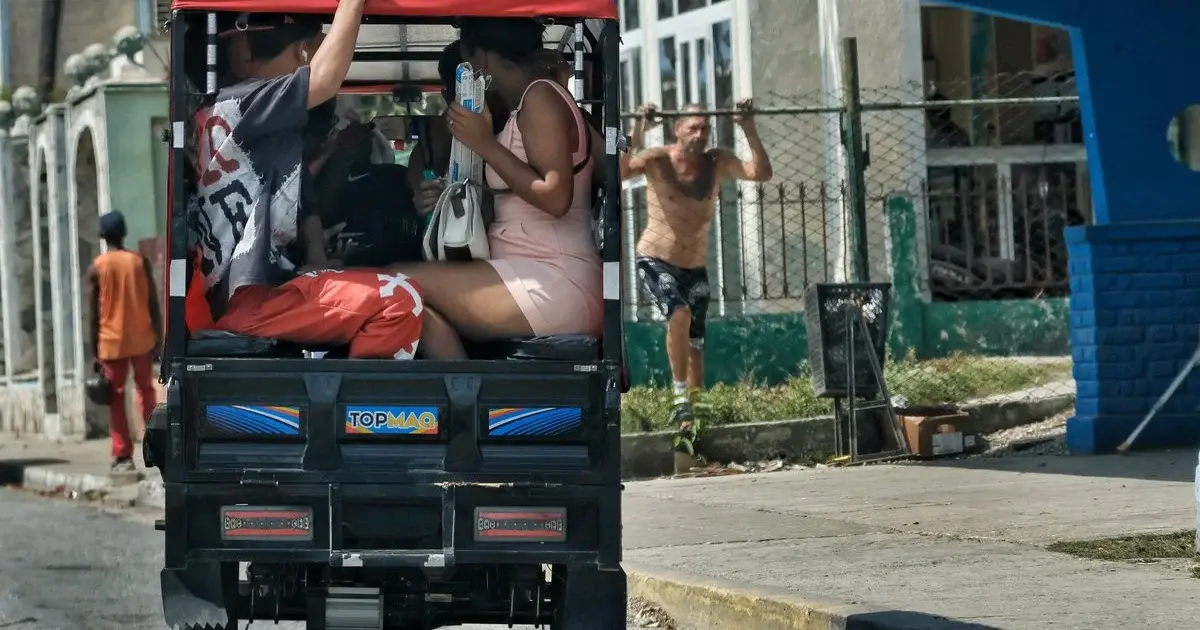
Photo: jornada.com.mx
Cuban authorities have presented their economic projections for 2026, estimating a modest 1% growth in Gross Domestic Product (GDP). This figure is identical to the target set for the previous year, which was not met due to a deep crisis that has kept the island in a state of economic semi-paralysis.
The announcement comes against a backdrop of high inflation and a critical shortage of hard currency, fuel, and food, exacerbated by the tightening of sanctions by the U.S. administration. According to official reports, the first quarter of 2026 has been particularly difficult, with a large part of the industrial and services sector operating at half capacity.
A Scenario of Prolonged Stagnation
The projected 1% growth is seen by independent analysts as a sign of stagnation. Cuba is still trying to recover from the drastic fall in GDP during the pandemic and from failed currency reform attempts that sent prices soaring in the informal market.
Despite the arrival of some Russian oil shipments to alleviate the energy crisis, the lack of foreign investment and the deterioration of domestic infrastructure remain the main obstacles to a real recovery.
Key Factors in the Cuban Economy in 2026
- Tourism: Expected to be the main driver of recovery, although visitor numbers have yet to reach 2019 pre-pandemic levels.
- Private Sector (MSMEs): They continue to expand but face limitations on imports due to the lack of banked foreign currency.
- U.S. Relations: The White House’s policy of maximum pressure continues to limit Cuba’s access to international credit and markets.
- Allied Aid: Russia and China maintain their logistical support, although with a more pragmatic focus aimed at debt collection.
FAQ: Frequently Asked Questions
1. Did Cuba achieve growth in 2025?
No, preliminary reports indicate that in 2025 the economy suffered a further contraction, failing to meet the initially proposed 1% target.
2. How does this growth affect inflation?
A 1% growth is insufficient to curb current inflation. Cubans will continue to perceive an increase in the cost of living as long as the supply of goods does not grow significantly.
3. What role do U.S. sanctions play?
The Cuban government attributes much of the crisis to the “blockage,” while Washington maintains that internal mismanagement and a lack of political freedoms are the real culprits for the economic collapse.
4. Are there signs of improvement in energy supply?
Although occasional improvements have been reported thanks to agreements with Russia, the national electro-energy system remains unstable, with frequent blackouts in several provinces.
Related Links
- Cuba Receives Russian Oil Shipment in Matanzas
- Impact of Mass Blackouts on Cuban Industry
- New Measures for Pensioner Payments in Havana
- Informal Exchange Market Situation in Cuba
- U.S. Lawmakers Visit the Island Amid Tensions
Sources: La Jornada, Infobae, Associated Press.
Sources
- La Jornada · jornada.com.mx
- Infobae · infobae.com
- Associated Press · apnews.com
How we got here
Background
The first thing we published on this topic.
How Cubans Are Surviving the Fuel Rationing Crisis
Neighbors unite to cook with firewood, power cuts lasting up to 18 hours, and echoes of the Special Period. Testimonies from Havana on the energy crisis.
Cuba's Economy Contracted 5% in 2025: Study Reveals Crisis
Study confirms Cuba GDP decline, 1.5 million emigration, rising infant mortality. Critical juncture.
Related articles

Unrealistic Goal? Cuba Projects 1% GDP Growth in 2026
Experts and economists question the 1% GDP growth target announced by the Cuban government for 2026, calling it unfeasible given the current crisis.

Euro and Dollar Smash All-Time Records in Cuba's Informal Market
The European currency hits 588 CUP while the dollar stands at 520, deepening the economic crisis and the free fall of the Cuban peso.

Cuba Power Outages Surge After Antonio Guiteras Plant Failure
Cuba's energy deficit exceeds 1,800 MW after the Antonio Guiteras plant failure, affecting over 50% of the island due to technical faults.

Alert in Cuba: Over 800 Aftershocks Recorded Following 6.0 Quake
Seismic activity continues in eastern Cuba. Since the strong 6.0 quake in Imías, more than 800 aftershocks have been reported, felt in Santiago and Holguín.

Unloading of 100,000 Tons of Russian Oil Completed in Cuba
The oil tanker Anatoli Kolodkin finished unloading crude in Matanzas, a vital respite amid power outages affecting over 50% of the island.
Russia and Cuba Reinforce Energy Alliance Amid Massive Blackouts
Moscow and Havana hold the 23rd Intergovernmental Commission as new Russian oil supplies arrive to alleviate the island's energy collapse.