Cuba Projects Economic Stagnation in 2026: GDP to Barely Grow by 1%
The Cuban government estimates economic growth of 1% for 2026, after failing to meet its targets and facing a severe GDP contraction.
3 min read
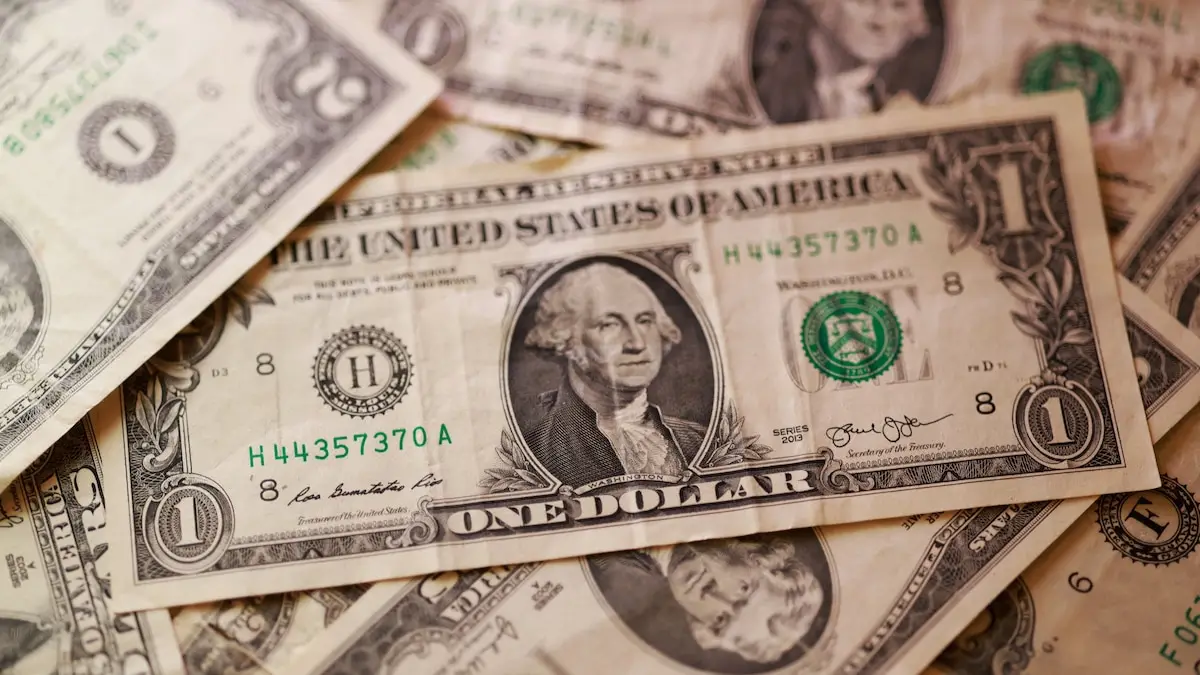
Photo: Infobae
The economic outlook for Cuba in 2026 appears bleak. According to recent reports, the Cuban government has projected a Gross Domestic Product (GDP) growth of only 1% for the upcoming year. This figure is identical to the target set for the previous period, which was not met due to a persistent contraction of economic activity on the island.
The 1% projection is interpreted by analysts as a sign of chronic stagnation. The Cuban economy remains suffocated by a combination of internal and external factors, including the energy crisis causing massive blackouts, the lack of foreign currency, and international sanctions.
Factors Restraining Growth
Several key elements prevent a real recovery of the Cuban economy this year and in the projections for 2026:
- Energy Crisis: Intermittent blackouts directly affect industrial production and commerce, in addition to deteriorating the population’s quality of life.
- Inflation and Currency: The informal currency market continues to set the pace, with the dollar exceeding 500 Cuban pesos, while state salaries lose purchasing power daily.
- Import Dependency: Cuba imports nearly 80% of the food it consumes, and the lack of liquidity makes a stable supply of basic products difficult.
The Impact on the Population
For the average Cuban, these macroeconomic figures translate into endless queues for food, shortages of medicines, and a public transportation system collapsed by the lack of fuel. The modest 1% growth would not be enough to reverse the accumulation of deterioration over recent years.
Despite the regime’s attempts to attract foreign investment and encourage the private sector (MSMEs), the results have not been sufficient to compensate for the fall of key state sectors such as tourism, which has yet to recover to pre-pandemic levels.
Frequently Asked Questions (FAQ)
What does 1% growth mean for Cuba’s GDP? In the current context, 1% represents stagnation. It means that the production of goods and services is barely maintained, without the capacity to improve the general standard of living.
Why was the previous growth target not met? Fuel shortages, breakdowns in the national electro-energy system, and a decrease in exports of medical services and tourism were the main causes.
How does the informal currency market affect these projections? Exchange rate instability creates uncertainty in production costs and raises consumer prices, slowing down any internal recovery momentum.
What sectors could drive the economy in 2026? The government is banking on the recovery of tourism and the consolidation of small and medium-sized private enterprises, although their overall impact on GDP remains limited compared to the state sector.
Related Links
- Blackouts in Cuba and Energy Deficit
- Dollar Crisis and Informal Market
- The role of fuel in transportation
- The MSME situation in Cuba
- Trade Agreements with Russia
External Sources
How we got here
Background
The first thing we published on this topic.
How Cubans Are Surviving the Fuel Rationing Crisis
Neighbors unite to cook with firewood, power cuts lasting up to 18 hours, and echoes of the Special Period. Testimonies from Havana on the energy crisis.
Cuba Postpones IT Convention 2026 Due to Energy Crisis
Cuba's main technology event, scheduled for March, is indefinitely postponed due to the 'extraordinary situation' facing the country.
Related articles

Cubans now required to get permit to install solar panels
The Cuban government imposes new bureaucratic hurdles: a permit from Urbanism is now required to install photovoltaic systems in private homes.
Cuba Rejects U.S. Embassy Fuel Import Request, Calling it 'Shameless'
The Cuban government denies permission to the U.S. Embassy in Havana to import diesel for its generators amidst a nationwide energy crisis.
Cuba's Crisis: 74.5 Billion Fiscal Deficit Projected for 2026
The Cuban economy faces a 74.5 billion peso fiscal deficit in 2026, with the dollar exceeding 500 CUP in the informal market. Analysis of the current situation.

Cuban peso hits historic low of 500 per dollar on informal market
The Cuban peso depreciated to 500 units per dollar, a new historic low amid economic pressure and US sanctions against the island.

Cuban Food Prices: Relentless Inflation at the End of March
Inflation in Cuba is relentless: basic products like rice and oil reach record prices at the end of March 2026.
Over 600 Aftershocks Rock Eastern Cuba after Strong Earthquake
Seismological activity persists in Guantánamo and Santiago de Cuba. Authorities report property damage and maintain an alert in the region.