Cuba introduces 2000 and 5000 Pesos banknotes amid rampant inflation
The Central Bank of Cuba issues new high-denomination bills to address cash shortages and price escalation on the island.
2 min read
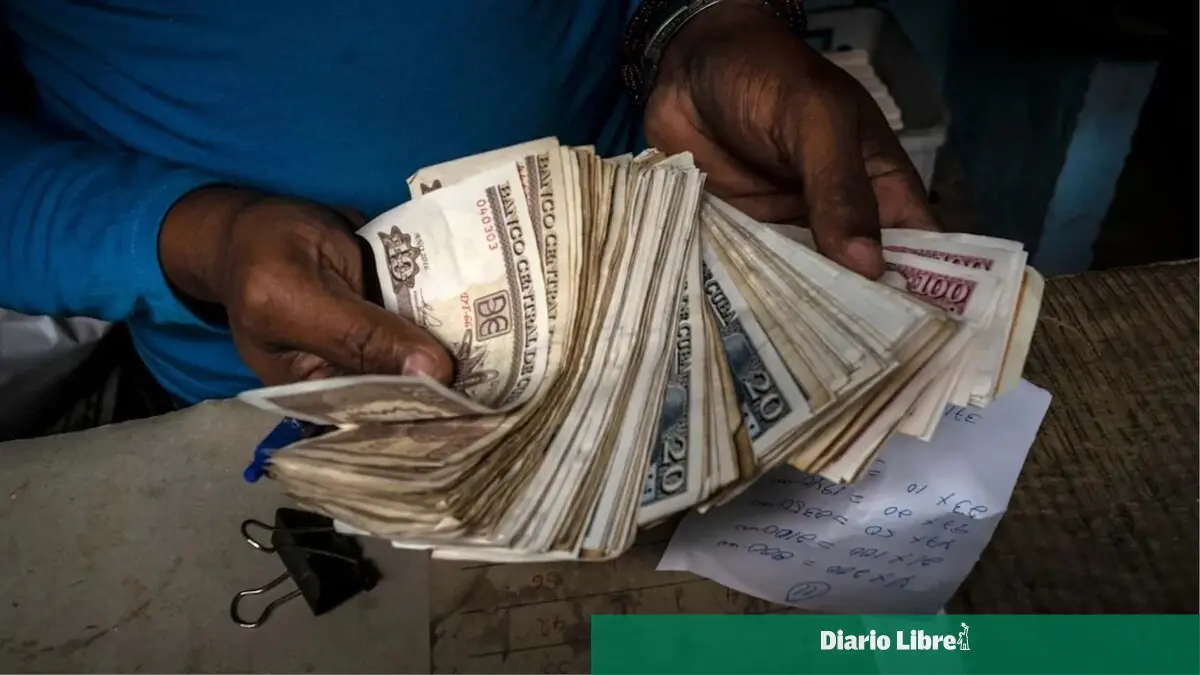
Photo: diariolibre.com
The Central Bank of Cuba (BCC) has announced that new banknotes of 2,000 and 5,000 Cuban pesos (CUP) will begin circulating as of April 1st, 2026. This measure seeks to facilitate commercial transactions in a landscape of uncontrolled inflation and a severe cash crisis that has paralyzed part of the domestic economy.
Response to inflation and cash shortages
The issuance of these new denominations —which quintuple the value of the previous highest bill (1,000 CUP)— is an implicit acknowledgment of the national currency’s loss of purchasing power. Independent economists estimate that real inflation in the informal market is around 70% year-on-year, turning daily shopping into a logistical challenge requiring large amounts of paper money.
Impact on everyday citizens
For many Cubans, a 5,000-peso bill represents more than an average monthly salary. Although the government promotes “bancarización” (banking integration) via digital payments, power grid instability and a lack of trust in the banking system keep cash as the king of street-level transactions.
Frequently Asked Questions (FAQ)
1. When will the new 2000 and 5000 CUP banknotes start circulating? The bills officially enter circulation on April 1, 2026, gradually across the country.
2. Why is the government issuing higher denomination bills now? Mainly to address cash shortages in ATMs and to facilitate larger payments due to the general rise in prices.
3. Does this mean inflation will increase? While printing bills is not the only cause, it is often a symptom of existing inflation. Experts fear it could generate a perception of further devaluation.
4. Will smaller denomination bills remain valid? Yes, all previous banknotes of 1, 3, 5, 10, 20, 50, 100, 200, 500, and 1,000 CUP remain legal tender.
Sources and Related Links
- Cuba issues high denomination banknotes - Infobae
- Introduction of new 2000 and 5000 bills - Diario Libre
Related posts:
- Cuba projects economic stagnation in 2026
- Russian fuel reaches Cuba amidst crisis
- Cuba opens private fuel importation
- Trump to Cuba: ‘Let’s reach a deal’
- ICE deports 117 Cubans in record figure
How we got here
Background
The first thing we published on this topic.
How Cubans Are Surviving the Fuel Rationing Crisis
Neighbors unite to cook with firewood, power cuts lasting up to 18 hours, and echoes of the Special Period. Testimonies from Havana on the energy crisis.
Cuba's Economy Contracted 5% in 2025: Study Reveals Crisis
Study confirms Cuba GDP decline, 1.5 million emigration, rising infant mortality. Critical juncture.
Related articles
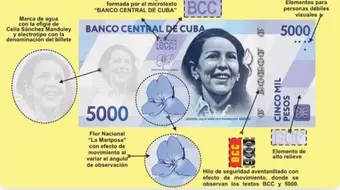
Cuba introduces 2000 and 5000 peso bills to combat rampant inflation
The Central Bank of Cuba releases new high-denomination banknotes (2,000 and 5,000 CUP) to facilitate cash transactions amid the ongoing economic crisis.

Dollar Hits 505 CUP: Cuba's Central Bank Reacts Too Little, Too Late
Cuba's informal dollar hit 505 CUP on Feb. 20. The Central Bank raised its rate to 463 — but the 42-peso gap exposes a deepening currency crisis.

Cuba Energy Collapse: Massive Blackouts at Start of April 2026
Fuel shortages and failures in thermal power plants drag Cuba into a new energy collapse this April 1st. More than 60% of the country without power.
Cuba Projects Economic Stagnation in 2026: GDP to Barely Grow by 1%
The Cuban government estimates economic growth of 1% for 2026, after failing to meet its targets and facing a severe GDP contraction.

Cuban Food Prices: Relentless Inflation at the End of March
Inflation in Cuba is relentless: basic products like rice and oil reach record prices at the end of March 2026.

Over 600 Aftershocks Rock Eastern Cuba after Strong Earthquake
Seismological activity persists in Guantánamo and Santiago de Cuba. Authorities report property damage and maintain an alert in the region.