Cuba introduces 2000 and 5000 peso bills to combat rampant inflation
The Central Bank of Cuba releases new high-denomination banknotes (2,000 and 5,000 CUP) to facilitate cash transactions amid the ongoing economic crisis.
2 min read
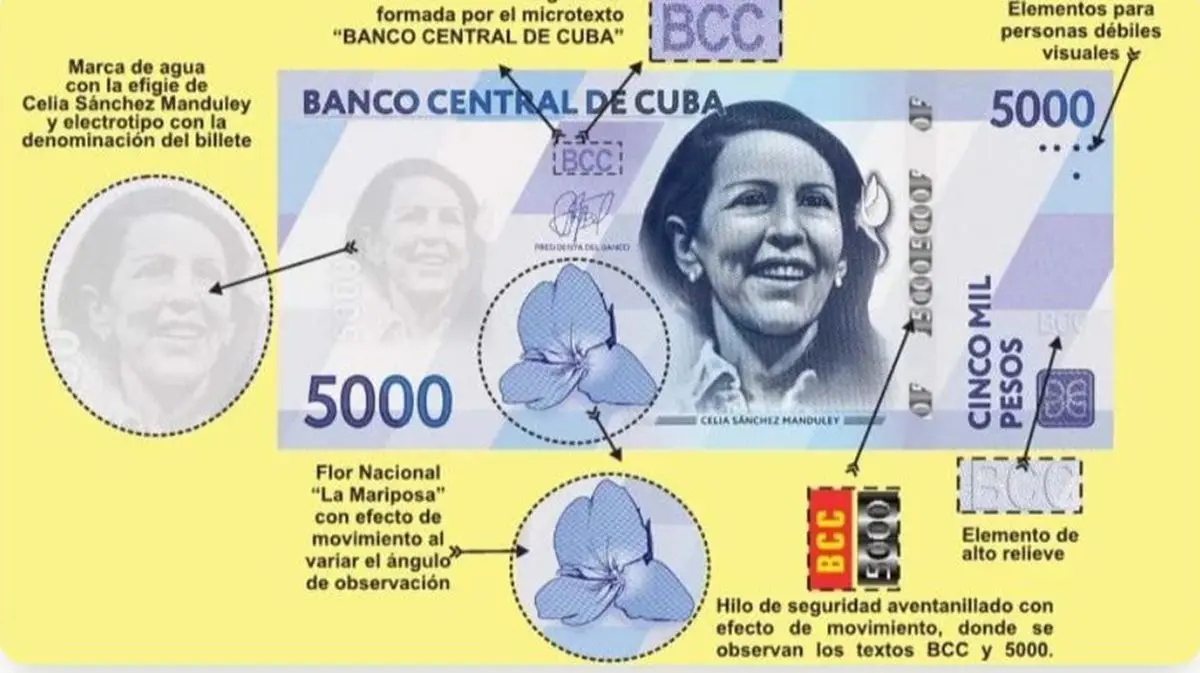
Photo: noticias.cubitanow.com
Starting April 1, 2026, the Central Bank of Cuba (BCC) has begun the rollout of new 2,000 and 5,000 Cuban peso (CUP) banknotes. This move aims to streamline cash logistics for payments in a context of soaring inflation and the persistent devaluation of the national currency against the dollar and the euro.
Cash crisis and economic collapse
The introduction of these higher denominations is a direct result of the Cuban peso’s loss of purchasing power. Until now, the highest-valued bill was 1,000 pesos, which barely buys a few basic staples in the informal market or state-run stores.
Financial authorities indicated that the measures will initially take effect in Havana and gradually expand to the rest of the country. However, independent economists warn that this “solution” is purely cosmetic and does not address the root cause: the lack of production and the massive issuance of money without productive backing.
Impact on the Cuban population
For everyday Cubans, the arrival of these new bills represents a double-edged sword:
- Simplified Logistics: The volume of cash needed for everyday purchases will be reduced.
- Inflationary Fears: Historically, the issuance of higher-value banknotes often precedes or accompanies new spikes in inflation.
The informal exchange market, where the dollar and euro continue to hit record highs, has reacted cautiously to the announcement, sustaining the downward trend of the peso’s value.
Frequently Asked Questions about the new bills
1. When do they enter circulation? Officially on April 1, 2026, starting at banks and ATMs in the capital.
2. Will old bills stay valid? Yes, all bills of lower denominations (1, 3, 5, 10, 20, 50, 100, 200, 500, and 1000 CUP) remain legal tender and valid.
3. How to identify the new bills to avoid scams? The BCC will soon release specific security features, including watermarks, security threads, and tactile relief patterns similar to current series.
4. Will this stop the dollar’s rise? Not necessarily. Introducing new bills makes physical transactions easier but does not change the macroeconomic conditions driving the demand for hard currency.
Related links
- Cuba economy contracted five percent 2025
- Travel warnings Cuba US tensions
- US aid Cuba hypocritical oil blockade
Sources: CubitaNOW, Central Bank of Cuba.
Sources
- CubitaNOW · noticias.cubitanow.com
How we got here
Background
The first thing we published on this topic.
How Cubans Are Surviving the Fuel Rationing Crisis
Neighbors unite to cook with firewood, power cuts lasting up to 18 hours, and echoes of the Special Period. Testimonies from Havana on the energy crisis.
Cuba's Economy Contracted 5% in 2025: Study Reveals Crisis
Study confirms Cuba GDP decline, 1.5 million emigration, rising infant mortality. Critical juncture.
Related articles
Cuba introduces 2000 and 5000 Pesos banknotes amid rampant inflation
The Central Bank of Cuba issues new high-denomination bills to address cash shortages and price escalation on the island.
Dollar Hits 505 CUP: Cuba's Central Bank Reacts Too Little, Too Late
Cuba's informal dollar hit 505 CUP on Feb. 20. The Central Bank raised its rate to 463 — but the 42-peso gap exposes a deepening currency crisis.

Cuba Energy Collapse: Massive Blackouts at Start of April 2026
Fuel shortages and failures in thermal power plants drag Cuba into a new energy collapse this April 1st. More than 60% of the country without power.

Cuba Projects Economic Stagnation in 2026: GDP to Barely Grow by 1%
The Cuban government estimates economic growth of 1% for 2026, after failing to meet its targets and facing a severe GDP contraction.

Cuban Food Prices: Relentless Inflation at the End of March
Inflation in Cuba is relentless: basic products like rice and oil reach record prices at the end of March 2026.
Over 600 Aftershocks Rock Eastern Cuba after Strong Earthquake
Seismological activity persists in Guantánamo and Santiago de Cuba. Authorities report property damage and maintain an alert in the region.