Dollar Hits 505 CUP: Cuba's Central Bank Reacts Too Little, Too Late
Cuba's informal dollar hit 505 CUP on Feb. 20. The Central Bank raised its rate to 463 — but the 42-peso gap exposes a deepening currency crisis.
3 min read
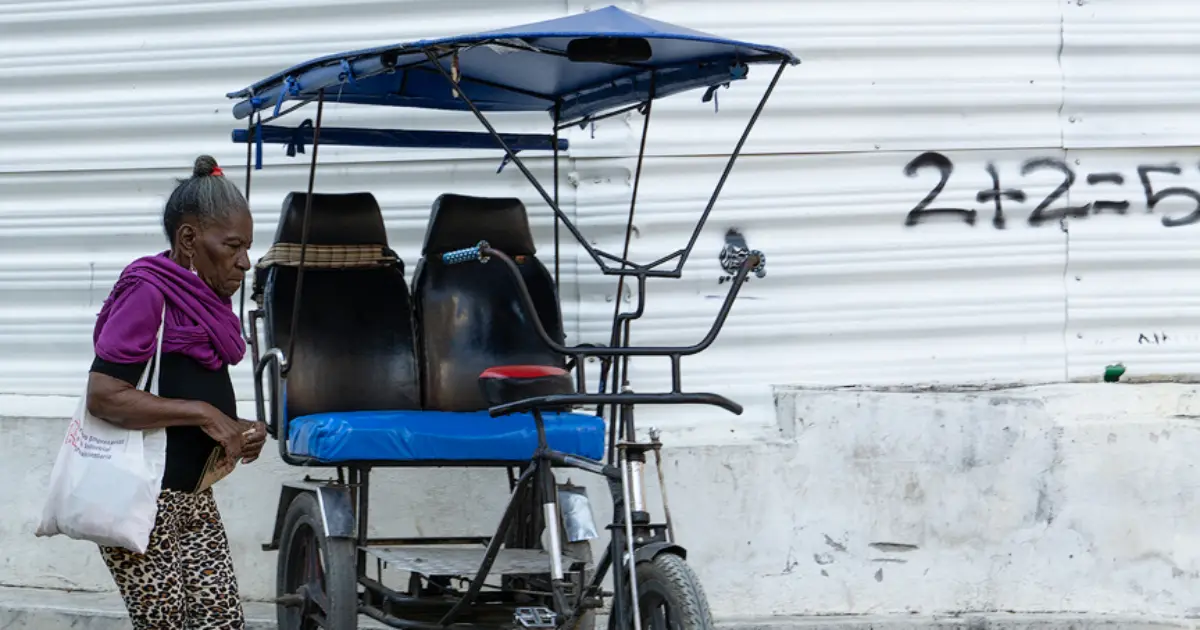
Imagen: CiberCuba
On February 20, 2026, Cuba’s informal dollar crossed the 500 Cuban peso (CUP) barrier for the first time, closing at 505 CUP. The very next day, Cuba’s Central Bank responded with its customary slow step: it raised the official “floating rate” from 458 to 463 CUP. The gap between the two: 42 pesos. That distance tells you everything about the state of Cuba’s economy.
A Record Nobody’s Celebrating
The euro followed suit, touching 560 CUP in the informal market — another historic high. For a Cuban family dependent on remittances, these aren’t statistics: they’re the price of milk, of transportation, of surviving another month.
The psychological 500-peso barrier had already been breached earlier this month, but it has now consolidated as a new floor, not a temporary ceiling.
A Floating Rate That Doesn’t Float
Cuba’s Central Bank has been using the “floating rate” as a shield for months: an exchange rate adjusted upward whenever the informal market drifts too far. The problem is that this rate remains voluntary and restricted — available only through certain banking channels — while the street market operates without limits.
The result is a system that punishes those who use state banking and rewards those who exchange on the street, perpetuating the very informal market it claims to eliminate.
Meanwhile, Mariel Port now charges U.S. dollars to private SMEs for imports, and Cuba is eliminating ration system subsidies in April — two signals that dollarization is advancing without a coherent monetary framework.
The Context That Explains Everything
Cuba’s economy contracted 5% in 2025 according to government-linked data. The collapse of tourism, the power grid crisis, and the reduction of medical service exports have drained the state’s foreign currency reserves.
In this context, every dollar entering the country becomes an extremely scarce good. Private businesses need hard currency to import; families need it to buy medicines or shop in MLC stores. And the state is competing with both in the very market it claims to regulate.
Negotiations between Washington and Havana — confirmed by Trump himself — could ease the pressure if they result in remittance access and relief from the oil blockade. But until then, the informal dollar follows its own relentless logic.
What Economists Are Saying
Analysts at elTOQUE, which monitors the informal rate in real time, note that the gap between the official and informal rate is the most honest thermometer of the crisis of confidence. When the state sets a rate that nobody uses, it isn’t controlling the market — it’s admitting it no longer can.
The question is not whether the dollar will keep rising. The question is how long Cubans’ purchasing power can hold before that pressure finds another outlet.
Sources
Frequently asked questions
Why did the dollar reach 505 CUP in Cuba?
What is Cuba's Central Bank 'floating rate'?
How does this affect Cuban families?
How high could the informal dollar rate go in Cuba?
How we got here
Background
The first thing we published on this topic.
How Cubans Are Surviving the Fuel Rationing Crisis
Neighbors unite to cook with firewood, power cuts lasting up to 18 hours, and echoes of the Special Period. Testimonies from Havana on the energy crisis.
Cuba's Economy Contracted 5% in 2025: Study Reveals Crisis
Study confirms Cuba GDP decline, 1.5 million emigration, rising infant mortality. Critical juncture.
Related articles
Cuba introduces 2000 and 5000 Pesos banknotes amid rampant inflation
The Central Bank of Cuba issues new high-denomination bills to address cash shortages and price escalation on the island.
Cuba introduces 2000 and 5000 peso bills to combat rampant inflation
The Central Bank of Cuba releases new high-denomination banknotes (2,000 and 5,000 CUP) to facilitate cash transactions amid the ongoing economic crisis.

Canada Weighs Cuba Aid as Sherritt Halts Moa Nickel Mine
Ottawa evaluates humanitarian options for Cuba after repatriating 27,900 tourists. Sherritt suspended Moa nickel mine operations amid the US blockade.

Cuban Hotels Relocate Tourists Amid Massive Energy Crisis
The Cuban government orders the temporary closure of several hotels and the relocation of tourists to save fuel and energy amidst the national collapse.
Cuba Tourism Collapse: 1.8 Million Visitors in 2025
Cuba closes 2025 with only 1.8 million tourists, a 17% drop and its worst data in decades. Fuel and energy shortages plunge the sector into crisis.
Canada Evaluates Humanitarian Aid Amid Cuba Tourism Collapse
Following massive flight suspensions and critical supply shortages, Canadian organizations and the Ottawa government analyze support plans for the island.