Hotels Lit Up, Hospitals in the Dark: Cuba's Two Worlds
Hotel Playa Pesquero promoted beach dinners amid Cuba's power crisis. That same day, a hospital in Sagua de Tánamo reported blackouts 'day and night.'
3 min read
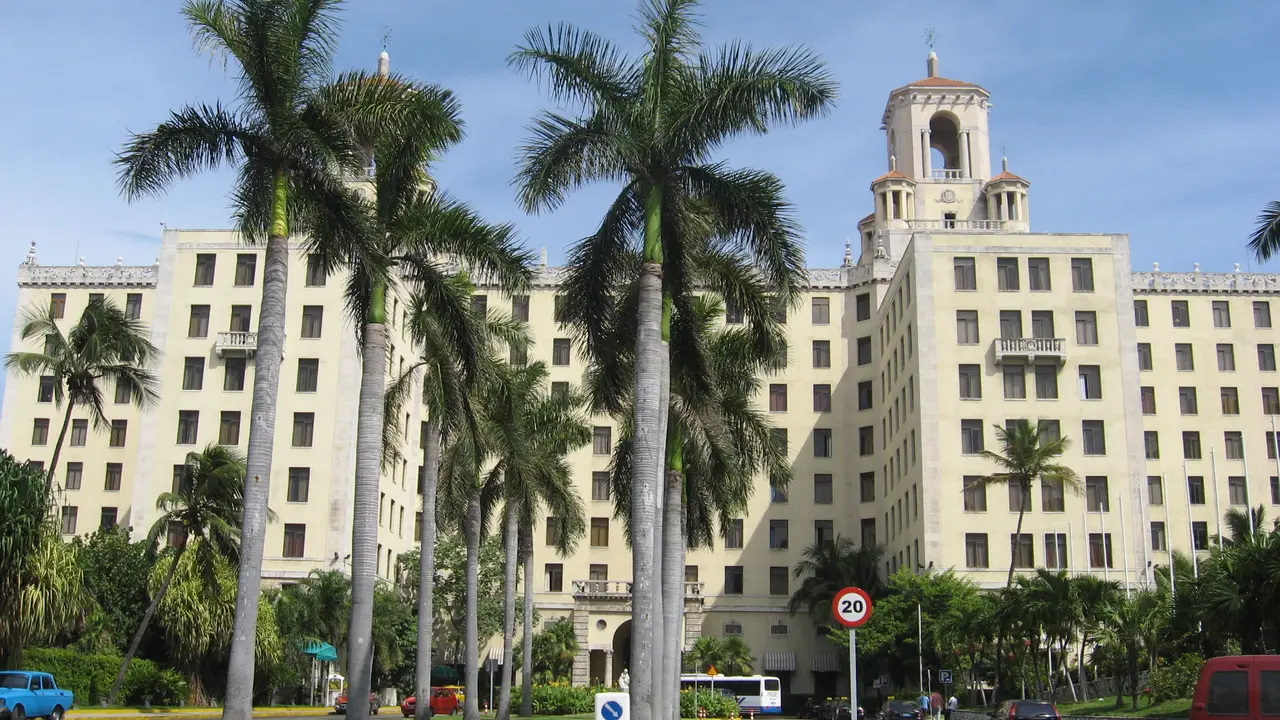
Foto: Wikimedia Commons
On the afternoon of February 22, 2026, Hotel Playa Pesquero in Holguín — owned by the military chain Gaviota, the hotel arm of the GAESA conglomerate — posted on social media the promotion of a special beachside dinner. The image showed decorated tables, festive lighting, and the tagline: “every detail celebrates the magic of Cuba.”
That very same day, from the same province, came another image: the hospital in Sagua de Tánamo without electricity “day and night.” Medical tests canceled. Patients in darkness.
Two Cubas. One island.
The Privilege That Goes Undeclared
Cuba has been suffering an electricity deficit exceeding 1,700 MW during peak hours for weeks. Satellite images show the country systematically going dark. But some zones don’t go dark: tourist hotels, especially those run by GAESA, have priority supply or their own generators.
The state’s economic rationale has its logic: tourism generates hard currency, without which Cuba cannot import anything. But that logic is building an increasingly visible social divide — especially when advertised on social media while neighborhoods have been without power for 12 hours.
Activist Joankelin Sánchez put it bluntly: “Cuba no longer wants Revolution.”
The Health System Collapsing in Silence
Cuba’s healthcare system is on the brink of collapse according to international reports and internal complaints. Blackouts in hospitals are not anecdotes: they cancel surgeries, disable diagnostic equipment, and cut oxygen supply in emergencies.
Cuba has already implemented emergency measures including university closures and shortened workweeks. But hospitals cannot close. And the electricity flowing to hotels is not flowing to oncology wards.
The Hotel Playa Pesquero image went viral precisely because it condenses that contradiction into a single frame: the glamour of profitable tourism versus the drama of abandoned public health.
GAESA: The State Within the State
Understanding this duality requires understanding GAESA. This military conglomerate is not just an economic actor: it is a parallel state that manages hard currency. Gaviota, its hotel branch, operates on business criteria while the national power grid is managed as a permanent crisis.
That Gaviota hotels have electricity is not accidental: it reflects a political decision to preserve the state’s most immediate source of income. The problem is that decision is made at the expense of the very population the state claims to serve.
The Protest That Won’t Stop
Cuban social media has been the most honest thermometer of the crisis for weeks. The record 800 MW of solar generation was celebrated as an achievement, but citizens respond with comparisons: 800 MW of midday sun doesn’t help when the hospital is still dark at 7 pm.
The Hotel Playa Pesquero image is just the latest in a series of contrasts circulating on Facebook, Telegram, and YouTube. And each contrast erodes a little more of the official narrative that everyone is suffering equally.
Sources
Frequently asked questions
Why do hotels in Cuba have electricity when everyone else doesn't?
What did the Sagua de Tánamo hospital report?
What is GAESA and why does it control the hotels?
How did Cuban society react to this image of two Cubas?
How we got here
Background
The first thing we published on this topic.
How Cubans Are Surviving the Fuel Rationing Crisis
Neighbors unite to cook with firewood, power cuts lasting up to 18 hours, and echoes of the Special Period. Testimonies from Havana on the energy crisis.
Cuba Postpones IT Convention 2026 Due to Energy Crisis
Cuba's main technology event, scheduled for March, is indefinitely postponed due to the 'extraordinary situation' facing the country.
Related articles
Healthcare Emergency in Cuba: Hospitals on the Brink of Total Collapse
The Cuban Ministry of Public Health admits for the first time a critical deterioration due to lack of supplies, fuel for ambulances, and blackouts.
Cuban Hotels Relocate Tourists Amid Massive Energy Crisis
The Cuban government orders the temporary closure of several hotels and the relocation of tourists to save fuel and energy amidst the national collapse.
Cuba Tourism Collapse: 1.8 Million Visitors in 2025
Cuba closes 2025 with only 1.8 million tourists, a 17% drop and its worst data in decades. Fuel and energy shortages plunge the sector into crisis.
Cuba's Health System "On Brink of Collapse" Due to US Oil Blockade
Cuba's Health Minister tells AP: 5 million chronic patients affected, ambulances without fuel, hospitals without power.
Uninterrupted Blackouts in Cuba: Energy Deficit Reaches 1680 MW
Cuba's Electric Union reports 24-hour power outages and a massive deficit of 1680 MW as the energy crisis worsens across the island.
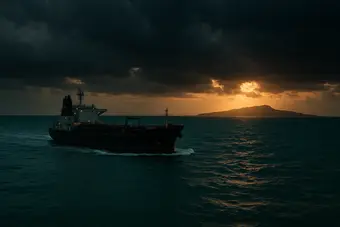
Russian Tanker Sea Horse Heads to Cuba, Testing Trump's Oil Blockade
The Sea Horse carries 200,000 barrels of Russian diesel toward Cuba. It's expected in March and will test the US petroleum sanctions.