Cuba's Health System "On Brink of Collapse" Due to US Oil Blockade
Cuba's Health Minister tells AP: 5 million chronic patients affected, ambulances without fuel, hospitals without power.
3 min read
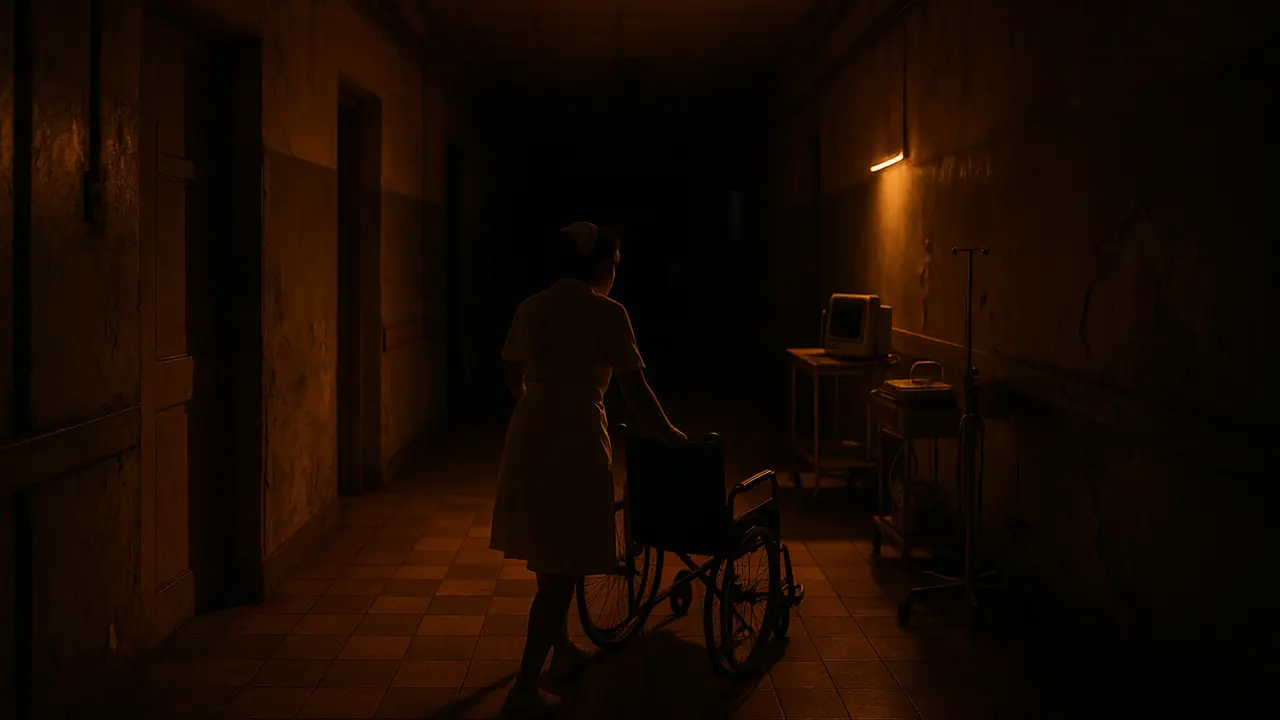
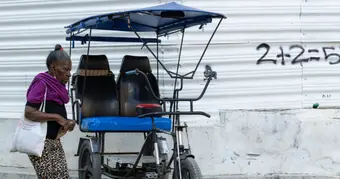
Illustration: Aroma de Cuba (AI)
Cuba’s healthcare system, one of the most celebrated in the developing world, has reached an unprecedented breaking point. In an exclusive interview with The Associated Press, Health Minister José Ángel Portal Miranda warned that US sanctions are no longer just crippling the island’s economy — they’re threatening “basic human safety.”
5 Million Chronic Patients at Risk
The figures Portal Miranda shared with AP are staggering:
- 5 million people with chronic illnesses will see their medications or treatments affected
- 16,000 cancer patients needing radiotherapy are at risk
- 12,400 patients undergoing chemotherapy face interruptions
- Most impacted areas: cardiovascular care, orthopedics, oncology, and critical care
- Kidney disease treatments and ambulance services are also compromised
“You cannot damage a state’s economy without affecting its inhabitants. This situation could put lives at risk,” Portal Miranda told AP.
Ambulances Without Fuel, Hospitals Without Power
The reality in Cuban hospitals is devastating. Ambulances cannot find fuel to respond to emergencies. Persistent blackouts have worsened the deterioration of hospital facilities. And flights bringing vital supplies to the island have been suspended because Cuba can no longer refuel aircraft at its airports.
Aniliet Rodríguez, a 25-year-old pregnant woman admitted to a maternal care center for an extreme case of anemia, described the situation to AP: “There’s been a drastic change since January. There’s no bread, no milk for nutrition… There are no medicines.”
The Worst Health Crisis Since the Special Period
Cuba’s universal, free healthcare system was already in deep crisis since the COVID-19 pandemic. Thousands of doctors earning state wages that can barely buy a carton of eggs have emigrated from the country. Hospitals have rapidly deteriorated and medicine shortages have forced many Cubans to buy them on the black market.
But the oil blockade ordered by Trump has pushed everything to a new extreme. Cuba produces only 40% of the fuel it consumes and depended on allies like Venezuela, Mexico, and Russia to fill its energy deficit. Those shipments have dried up.
Doctors Forced to Use “Basic Methods”
Facing the emergency, the Cuban government has taken desperate measures:
- Solar panels installed in clinics
- Priority care for children and the elderly
- Restrictions on CT scans and laboratory tests
- Doctors forced to rely on more basic diagnostic methods
These restrictions effectively mean millions of Cubans are being cut off from higher levels of medical care — a setback of decades for a system that was once a model for the developing world.
An “Energy Siege” With Human Consequences
Portal Miranda was blunt: “We are facing an energy siege with direct implications for the lives of Cubans, for the lives of Cuban families.”
International coverage from Fortune, Euronews, and AP reflects growing concern over the humanitarian dimension of the crisis. While Washington insists it seeks to defend the Cuban people, those same people bear the most brutal consequences of the blockade.
Cuba now faces a tragic paradox: the healthcare system that for decades was its greatest international achievement could become the most visible symbol of its deepest crisis.
Frequently asked questions
How many patients are affected by Cuba's health crisis?
Which medical services are most affected?
Why are ambulances not working in Cuba?
What measures is Cuba taking to face the healthcare crisis?
How we got here
Background
The first thing we published on this topic.
Cuba Postpones IT Convention 2026 Due to Energy Crisis
Cuba's main technology event, scheduled for March, is indefinitely postponed due to the 'extraordinary situation' facing the country.
Cuba Emergency: Universities Closed, 4-Day Work Week
The Cuban government closes universities, reduces school hours, limits hospital surgeries, and shortens the work week amid the fuel crisis.
Related articles

Surviving Dark Cuba: A Generation on the Brink of Collapse
Cuban youth face an unprecedented energy crisis. Testimonies reveal the daily survival struggle on an island nearing total collapse.
Cuba on the Brink: Energy Deficit Hits Record 65%
The energy crisis in Cuba reaches a critical level in March 2026. Total blackouts in the East and 18-hour cuts mark the total system collapse.
Healthcare Emergency in Cuba: Hospitals on the Brink of Total Collapse
The Cuban Ministry of Public Health admits for the first time a critical deterioration due to lack of supplies, fuel for ambulances, and blackouts.
Canada Evaluates Humanitarian Aid Amid Cuba Tourism Collapse
Following massive flight suspensions and critical supply shortages, Canadian organizations and the Ottawa government analyze support plans for the island.
Canada Weighs Cuba Aid as Sherritt Halts Moa Nickel Mine
Ottawa evaluates humanitarian options for Cuba after repatriating 27,900 tourists. Sherritt suspended Moa nickel mine operations amid the US blockade.
Dollar Hits 505 CUP: Cuba's Central Bank Reacts Too Little, Too Late
Cuba's informal dollar hit 505 CUP on Feb. 20. The Central Bank raised its rate to 463 — but the 42-peso gap exposes a deepening currency crisis.