New Cuban Cinema: ICAIC Gems That Defined a Generation
Discover the most influential Cuban films from the 60s-80s: Memories of Underdevelopment, Lucía, I Am Cuba, and Strawberry and Chocolate.
4 min read
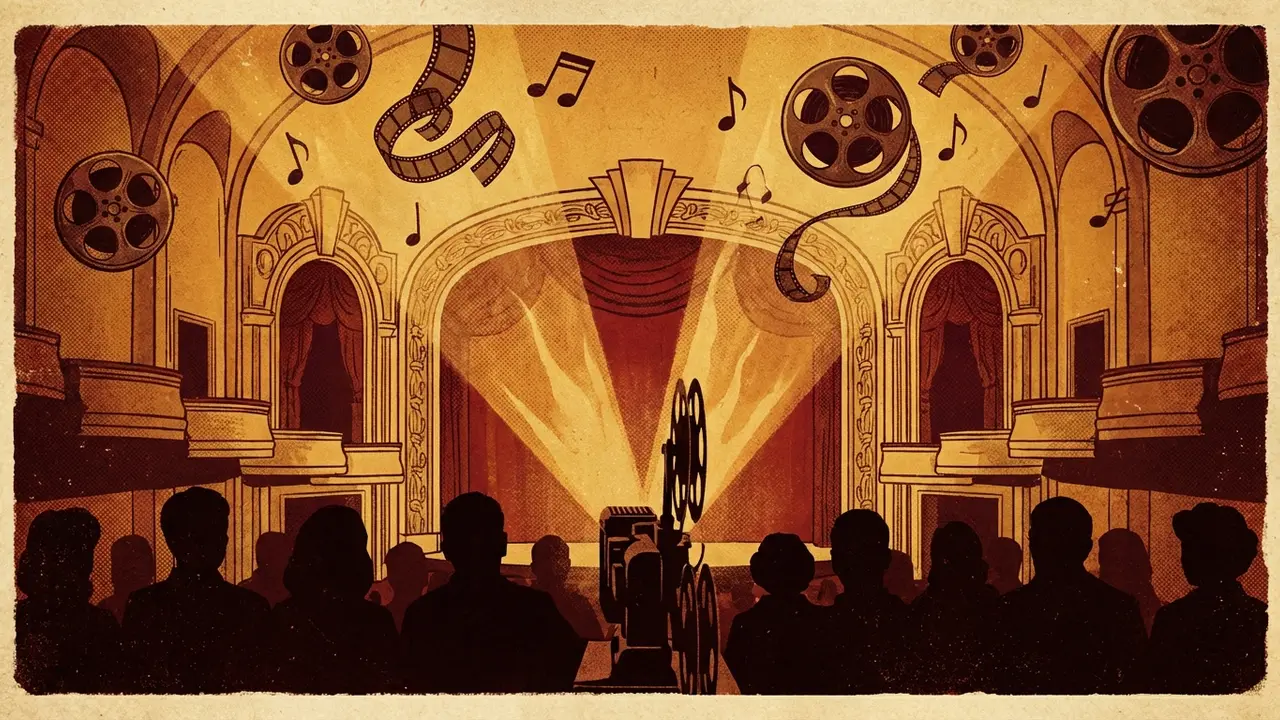
In March 1959, just 83 days after the Revolution’s triumph, Cuba created the Cuban Institute of Cinematographic Art and Industry (ICAIC). It was the new government’s first cultural institution, before any ministry, before any reform. The message was clear: cinema would be the art of the Revolution.
What followed over the next three decades was one of the most brilliant chapters in Latin American film history.
Birth of a National Cinema
Before 1959, Cuba had a film industry, but one oriented toward commercial entertainment and often toward coproductions with Mexico and the United States. ICAIC, under Alfredo Guevara’s direction, proposed something radically different: auteur cinema that was experimental, committed to social reality, but never propagandistic.
ICAIC’s first feature was Stories of the Revolution (1960) by Tomás Gutiérrez Alea, but the true awakening came with the documentaries of the ICAIC Latin American Newsreel, a weekly chronicle that revolutionized documentary language and produced more than 1,400 editions until 1990.
The Crown Jewels
Memories of Underdevelopment (1968)
If there’s one film that defines Cuban cinema, it’s this masterpiece by Tomás Gutiérrez Alea, affectionately known as Titón. Based on the novel by Edmundo Desnoes, it follows Sergio, a bourgeois intellectual who decides to stay in Cuba while his family flees to Miami.
The film is a visual essay on solitude, alienation, and “underdevelopment”—not just economic, but mental and emotional. Titón mixes fiction with documentary footage, Fidel Castro speeches with intimate scenes, creating something unprecedented in 1968.
The recent retrospective at Mexico’s Cineteca Nacional chose precisely this film to celebrate its 52nd anniversary, confirming that nearly 60 years later, Memories remains as relevant as the day of its premiere.
Lucía (1968)
Humberto Solás was only 26 when he directed this three-part epic about three women named Lucía in three moments of Cuban history: 1895, 1933, and the 1960s. Each segment has a completely different visual style, from operatic romanticism to biting comedy.
Lucía is one of world cinema’s great feminist films, though that label felt too big even for Solás himself. Above all, it’s a portrait of Cuba through its women.
I Am Cuba (1964)
This film is unique in cinema history. Directed by Soviet filmmaker Mikhail Kalatozov in coproduction with the USSR, it was rejected by both Cubans and Soviets at the time of its release. It disappeared for 30 years.
When it was rediscovered in the 1990s thanks to Martin Scorsese and Francis Ford Coppola, the world discovered a work of astonishing technical virtuosity: impossible long takes, a camera that floats, climbs stairs, crosses swimming pools. Hollywood was left speechless.
Strawberry and Chocolate (1993)
Twenty-five years after Memories, Titón—now ill, co-directing with Juan Carlos Tabío—delivered another masterpiece. The story of friendship between Diego, a cultured and critical gay man, and David, a young communist militant, confronted Cuban society’s taboos with humor, tenderness, and courage.
Strawberry and Chocolate was nominated for the Academy Award for Best Foreign Film in 1995, the first nomination for Cuban cinema. More importantly: it opened a national conversation about homophobia and intolerance that still resonates today.
The Art of Cuban Film Posters
Parallel to cinema, ICAIC developed a tradition of film poster art that became a worldwide reference in graphic design. Artists like Eduardo Muñoz Bachs, Alfredo Rostgaard, René Azcuy, and Raúl Martínez created posters that were works of art in themselves.
Unlike Hollywood, where posters are advertising, ICAIC posters were artistic interpretations of films, often more abstract, more poetic, freer. Today they’re collected and exhibited in museums around the world.
The Living Legacy
Cuban cinema of the 60s, 70s, and 80s profoundly influenced the New Latin American Cinema, a movement that saw film as a tool for social transformation. Directors from Brazil, Argentina, Chile, and Mexico found in ICAIC both a model and an ally.
Today, despite the crises the island faces, Cuban cinema continues producing relevant work. Directors like Fernando Pérez, Jorge Luis Sánchez, and the new independent generation keep alive a tradition born from the audacity of believing that a small island could create great cinema.
Where to Watch These Classics
The good news: many of these films are more accessible than ever. Platforms like MUBI and Criterion Channel include ICAIC titles in their catalog. The Cinemateca de Cuba in Havana regularly screens the national film heritage.
And film archives worldwide—like the recent retrospective in Mexico, organized by ICAIC and the Cuban Embassy—continue presenting these classics to new audiences.
Because good cinema has no expiration date. And Cuban cinema from its golden era is, without question, great cinema.
From Havana to the world, frame by frame.
Frequently asked questions
What is ICAIC and when was it founded?
What is the most internationally acclaimed Cuban film?
What distinguishes New Cuban Cinema from other film industries?
Where can I watch classic Cuban films?
How we got here
Background
The first thing we published on this topic.
Cuban Music Conquers the Latin Grammys
Cuban artists sweep the ceremony with awards in multiple tropical music categories.
Old Havana Restoration Reaches a New Milestone
Rehabilitation work in the historic quarter reveals colonial frescoes from the 18th century.
Related articles
Screen Cuba 2026: Cuban Cinema Conquers London This March
Screen Cuba festival brings ICAIC classics to London March 15-28. Lucía, The Twelve Chairs, and more Cuban masterpieces on screen.
No Seasoning: Afro-Cuban Outsider Art Arrives in Miami
Historic exhibition brings together seven Afro-descendant Cuban outsider artists in North Miami. Features works by Luis Manuel Otero Alcántara.

Cuban Santería: The Orishas and Syncretism That Define Cuba
Discover Cuban Santería, the Afro-Cuban religion blending Yoruba traditions with Catholicism. Orishas, rituals, and cultural influence.

Nicolás Guillén: The Poet Who Made Cuban Son Sing
Discover the life and work of Nicolás Guillén, Cuba's National Poet who fused African rhythms with poetry to create the Afro-Cuban movement.

Roberto Salas: The Photographer Who Immortalized the Cuban Revolution
Roberto Salas receives Cuba's 2025 National Prize for Visual Arts for his work capturing six decades of Cuban history.

The Cuban Tres: The Instrument That Forged the Soul of Son
From Baracoa to world stages: the history of the Cuban tres and Pancho Amat, the master bringing its sound across Europe in 2026.