Copa Airlines Keeps Flying to Cuba by Tankering Fuel from Panama
Copa Airlines maintains flights to Havana by loading extra fuel in Panama, while Canadian, Russian, and European carriers cancel Cuba routes.
2 min read
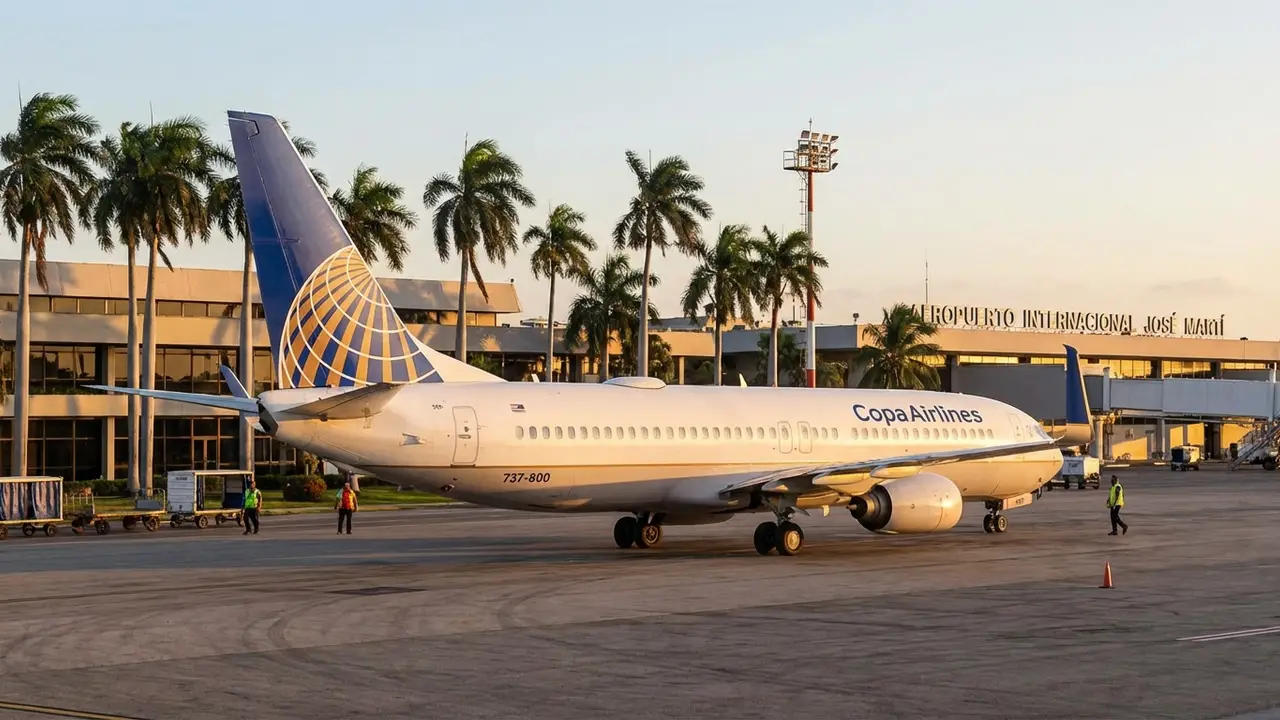
Illustration: Aroma de Cuba (AI)
While airlines around the world cancel flights to Cuba, Copa Airlines has emerged as one of the few carriers maintaining normal operations to the island. Their secret: a logistical workaround known as tankering.
Extra Fuel from Panama
“Copa Airlines continues operating its flights from Panama normally. Given that it’s a relatively short route, we’re loading additional fuel in Panama (tankering), which allows us to complete both legs without needing to refuel in Havana,” the airline told EFE.
Tankering involves loading more fuel than needed at the departure airport to avoid refueling at the destination. The relatively short distance between Panama City and Havana — about three hours of flight time — makes this strategy feasible.
The Context: An Unprecedented Airline Exodus
Copa’s decision stands in stark contrast to the wave of cancellations hitting Cuba this week:
- Canada: Air Canada, WestJet, Transat, and Sunwing suspended all routes, cutting off Cuba’s top tourist market
- Russia: Rossiya and Nordwind cancelled flights and evacuated 4,000 tourists
- Spain: Iberia and Air Europa modified schedules to include intermediate refueling stops
Cuban authorities informed airlines that they cannot guarantee jet fuel supply at any of the country’s nine international airports — a situation unprecedented since the Special Period of the 1990s.
Why It Matters
For Cuban diaspora members and travelers who need to reach the island, Copa Airlines represents one of the few viable air connections left. The Panama-Havana route has become a crucial air bridge amid Cuba’s worst energy crisis in decades.
However, tankering has its limits. If the crisis continues and more airlines abandon the Cuban market, pressure on the few remaining routes could mean higher prices and fewer available seats.
The Root of the Problem
Cuba stopped receiving Venezuelan oil after the US military operation that captured Nicolás Maduro on January 3. In late January, Trump’s executive order threatened tariffs on any country supplying crude to the island, which also halted shipments from Mexico.
The Cuban government’s emergency measures include public transit shutdowns, university closures, a four-day work week, and tourist relocations to hotels that still have generators.
Meanwhile, Mexican Navy ships docked in Havana on Thursday carrying 814 tons of humanitarian aid — food and medicine, but no fuel.
Frequently asked questions
Is Copa Airlines still flying to Cuba in February 2026?
Why can Copa Airlines fly to Cuba when other airlines cancelled?
Which airlines have suspended flights to Cuba?
How long will Cuba's fuel crisis last?
How we got here
Background
The first thing we published on this topic.
How Cubans Are Surviving the Fuel Rationing Crisis
Neighbors unite to cook with firewood, power cuts lasting up to 18 hours, and echoes of the Special Period. Testimonies from Havana on the energy crisis.
Cuba Postpones IT Convention 2026 Due to Energy Crisis
Cuba's main technology event, scheduled for March, is indefinitely postponed due to the 'extraordinary situation' facing the country.
Related articles

First European Humanitarian Aid Convoy Arrives in Cuba
A five-ton shipment of European medical supplies has reached Havana, aimed at mitigating a critical shortage amid heightening tensions with the U.S.
Mexican Navy Ships Deliver 814 Tons of Humanitarian Aid to Cuba
Two Mexican Navy vessels docked in Havana carrying food and powdered milk as humanitarian aid amid Cuba's deepening energy crisis.
Fire at Havana's Ñico López Refinery Deepens Cuba's Energy Crisis
A fire at Cuba's largest refinery was quickly controlled. The blaze hit a warehouse, not processing areas, but heightens fears amid severe fuel shortages.

Cuba Loses 40% of Tourists as Canada Suspends All Flights
With all Canadian flights cancelled, Cuba loses 40% of its tourists amid the US oil blockade crisis.
Electric Vehicles Replace Classic Cars on Cuba's Streets
The fuel crisis accelerates Cuba's shift to electric tricycles and buses on the streets of Havana.
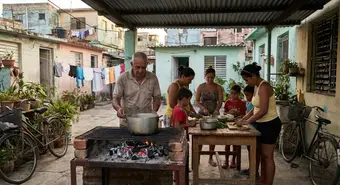
How Cubans Are Surviving the Fuel Rationing Crisis
Neighbors unite to cook with firewood, power cuts lasting up to 18 hours, and echoes of the Special Period. Testimonies from Havana on the energy crisis.