Electric Vehicles Replace Classic Cars on Cuba's Streets
The fuel crisis accelerates Cuba's shift to electric tricycles and buses on the streets of Havana.
2 min read
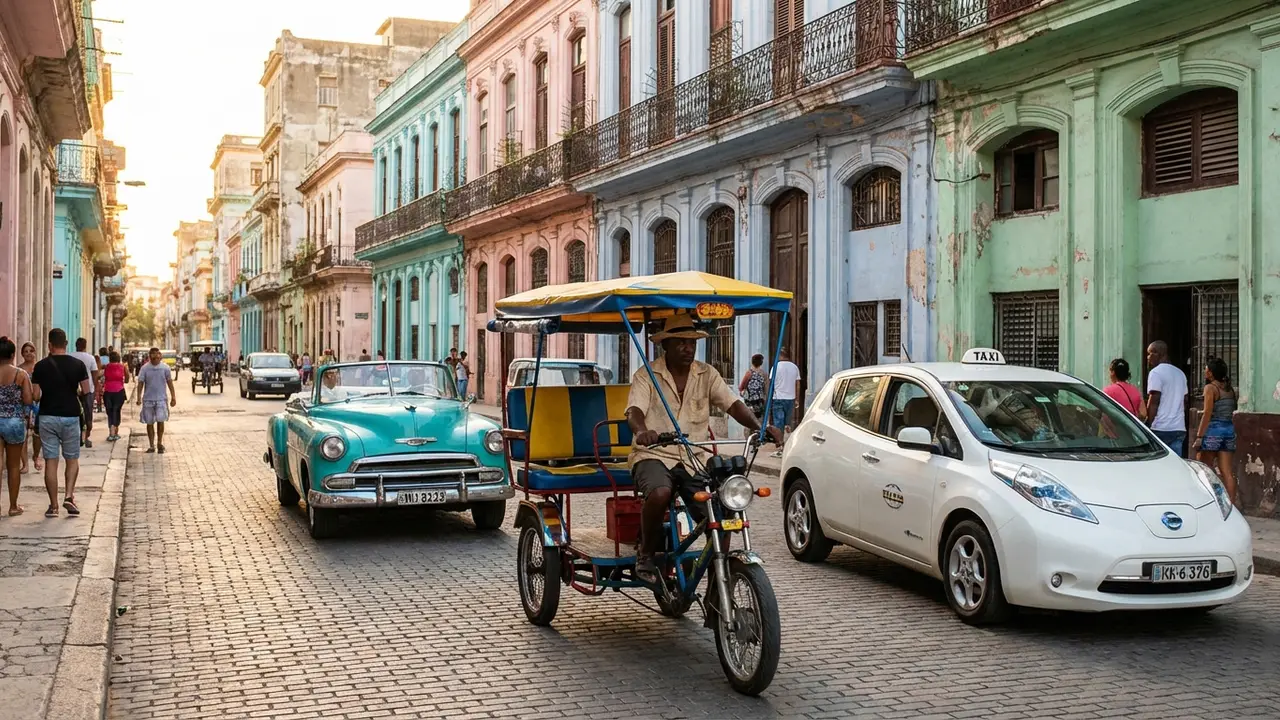
Illustration: Aroma de Cuba (AI)
The rumble of 1959 Chevrolets, once the rhythmic heartbeat of Havana, is fading to the near silence of electric vehicles as the island faces its worst fuel shortage in years. Cuba’s forced electric transition has become the only way to keep the country moving.
From Classic Cars to Electric Rickshaws
According to Reuters, in Havana’s Alamar neighborhood, Eugenio Gainza weaves a state-run rickshaw-style electric tricycle over rutted roads, picking up passengers. “We make 16 trips a day,” he says. “There is no fuel. This is the only means of transportation supporting this area.”
For six decades, Cuba’s roads changed little, defined by colorful vintage American cars that became a global icon. But in recent years, growing fuel scarcity pushed Cubans to adopt electric vehicles — a trend now accelerating dramatically.
The Crisis That Forced the Shift
The Trump administration declared Cuba “an unusual and extraordinary threat” to US national security, cutting off oil exports from Venezuela and threatening tariffs on any country sending fuel to the island.
The result: record blackouts affecting 64% of the country, an unprecedented transportation crisis, and cancellation of international flights due to jet fuel shortages.
Last week, the government detailed a sweeping fuel rationing plan to protect essential services, prioritizing healthcare, education, and defense.
Renewable Energy as a Lifeline
For residents like María Caridad González, state-run electric vehicles are a lifeline — the only viable way to get around in an economy squeezed by rationing. Private services also exist but are more expensive, she said.
“Together, it is what is helping the country move forward,” resident Bárbaro Castañeda told Reuters. “Otherwise, we would be completely paralyzed.”
Cuba recently hit a record 800 MW of solar generation, which paradoxically benefits the charging of these vehicles during daylight hours. However, nighttime blackouts remain a significant obstacle.
A Cityscape in Transformation
The change isn’t just functional — it’s cultural. Havana’s streets, world-famous for their technicolor classic cars, are acquiring a new sonic identity: electric silence. Tricycles, electric motorcycles, and small battery-powered buses are multiplying, imported mainly from China, while classic American cars sit increasingly idle without gasoline.
It’s a historical irony: the blockade intended to pressure Cuba’s government may be accelerating an energy transition that many countries around the world are pursuing voluntarily.
Frequently asked questions
Why is Cuba adopting electric vehicles?
What types of electric vehicles are used in Havana?
Will Cuba's classic cars disappear?
How do Cubans charge electric vehicles during blackouts?
How we got here
Background
The first thing we published on this topic.
How Cubans Are Surviving the Fuel Rationing Crisis
Neighbors unite to cook with firewood, power cuts lasting up to 18 hours, and echoes of the Special Period. Testimonies from Havana on the energy crisis.
Cuba Postpones IT Convention 2026 Due to Energy Crisis
Cuba's main technology event, scheduled for March, is indefinitely postponed due to the 'extraordinary situation' facing the country.
Related articles
Fire at Havana's Ñico López Refinery Deepens Cuba's Energy Crisis
A fire at Cuba's largest refinery was quickly controlled. The blaze hit a warehouse, not processing areas, but heightens fears amid severe fuel shortages.
Mexican Navy Ships Deliver 814 Tons of Humanitarian Aid to Cuba
Two Mexican Navy vessels docked in Havana carrying food and powdered milk as humanitarian aid amid Cuba's deepening energy crisis.
Copa Airlines Keeps Flying to Cuba by Tankering Fuel from Panama
Copa Airlines maintains flights to Havana by loading extra fuel in Panama, while Canadian, Russian, and European carriers cancel Cuba routes.
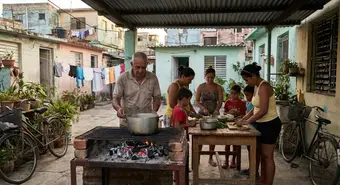
How Cubans Are Surviving the Fuel Rationing Crisis
Neighbors unite to cook with firewood, power cuts lasting up to 18 hours, and echoes of the Special Period. Testimonies from Havana on the energy crisis.

Havana Drowning in Garbage: Only 44 of 106 Trash Trucks Operating
Cuba's fuel crisis paralyzes waste collection in Havana, creating a public health emergency with rising risks of dengue and leptospirosis.
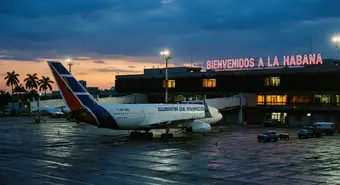
Cuban Aviation Paralyzed: Airports Without Fuel Until Mid-March
Cuban civil aviation faces an unprecedented crisis. Seven international airports, including Havana, notify lack of fuel for aircraft refueling.