Dialysis Patients in Cuba at Risk as Fuel Crisis Halts Transport
About 3,000 kidney patients in Cuba face reduced sessions and no medical transport as the energy crisis deepens.
3 min read
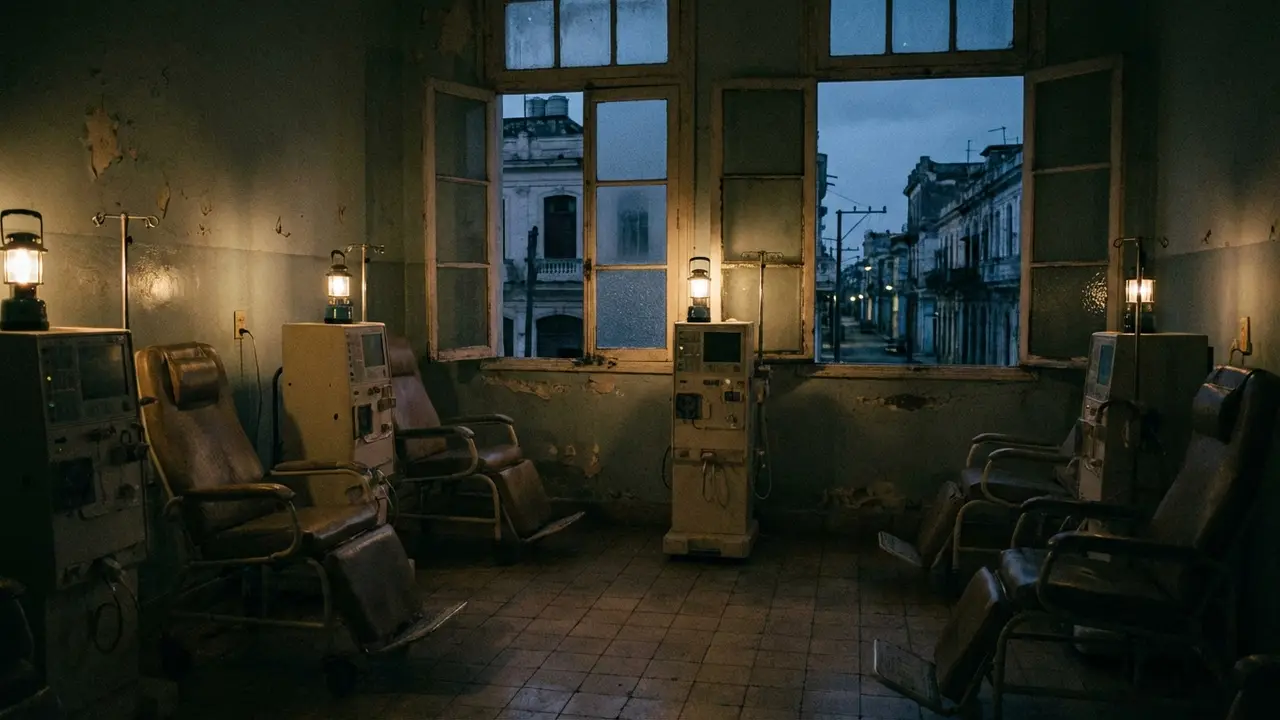
Illustration: Aroma de Cuba (AI)
Cuba’s energy crisis isn’t just turning off lights and grounding planes — it’s directly threatening the lives of thousands of patients who depend on life-sustaining medical treatments. Approximately 3,000 Cubans with chronic kidney failure face a desperate situation, according to reports from Martí Noticias and testimonies gathered by CubaNet.
No Fuel, No Ride, No Treatment
Dr. Abel Molina, whose wife — fellow physician Elaine Hernández — has required hemodialysis for the past year, described the situation bluntly: the medical taxis that transport these patients “have no fuel, they are stationary,” and many must arrive “by their own means.”
Meanwhile, he denounced that “they continue to sell gasoline in dollars” and that “government cars are still on the road.”
The human cost is immediate. Molina reported paying 2,000 pesos per trip to transport his wife, and that hemodialysis sessions are being conducted “every other day” — a pace nephrologists consider insufficient to keep patients stable.
The Gap Between Official Promises and Reality
Although authorities announced emergency measures assuring that essential services would remain unaffected, testimonies on the ground tell a different story.
“That’s a lie — there aren’t enough supplies or healthcare personnel,” Molina declared.
Havana’s “Dr. Abelardo Buch López” Nephrology Institute has suggested admitting patients to the facility when their drivers cannot guarantee transportation. But this improvised solution runs into the reality of hospitals already operating at their limits, as we reported on the MINSAP medical brigades.
A Crisis Within the Crisis
Hemodialysis is not optional treatment. Patients with chronic kidney failure need regular sessions — typically three times per week — to filter toxins their kidneys can no longer process. Every missed or delayed session increases the risk of:
- Hyperkalemia (excess potassium in blood, can cause cardiac arrest)
- Pulmonary edema (fluid buildup in the lungs)
- Uremic encephalopathy (brain toxicity)
With blackouts affecting 56% of the country and the Ñico López refinery recently catching fire, the electrical supply that dialysis machines require is far from guaranteed.
The Human Cost of the Energy Blockade
This crisis adds to the deterioration of Cuba’s healthcare system documented in recent weeks. Children with cancer already face survival rates dropping from 80% to 65%, and UN experts have condemned the fuel blockade as a form of collective punishment.
For Cuba’s 3,000 dialysis patients, the equation is simple and brutal: no fuel means no transport, no electricity means no machines, and no machines means no life.
Frequently asked questions
How many dialysis patients are there in Cuba?
How does the fuel crisis affect kidney patients?
What risks do patients face without regular treatment?
What alternatives is the Cuban government offering?
How we got here
Background
The first thing we published on this topic.
Cuba Postpones IT Convention 2026 Due to Energy Crisis
Cuba's main technology event, scheduled for March, is indefinitely postponed due to the 'extraordinary situation' facing the country.
Cuba Emergency: Universities Closed, 4-Day Work Week
The Cuban government closes universities, reduces school hours, limits hospital surgeries, and shortens the work week amid the fuel crisis.
Related articles
Electric Vehicles Replace Classic Cars on Cuba's Streets
The fuel crisis accelerates Cuba's shift to electric tricycles and buses on the streets of Havana.
Cuba's 'Zero Option': Crisis Plan That May Spark Exodus
The regime activates its 1990s emergency protocol amid oil collapse. 20-hour blackouts and $14 monthly wages fuel emigration pressure.
U.S. Considers Sending Limited Fuel Shipment to Cuba Amid Crisis
Washington weighs a humanitarian fuel delivery to Cuba as the island faces daily blackouts and critical shortages of cooking gas and diesel.
Cuba to Cut Power for 72 Hours to Businesses Breaking Energy Rules
ONURE orders minimum 72-hour blackouts for state and private businesses that fail to meet mandatory energy-saving plans amid deepening crisis.
Highway Accident in Cuba Kills 4, Injures 16 on National Motorway
A Diana bus crashed near the Zaza bridge in Sancti Spíritus province, killing four passengers and injuring 16 others.
Fire at Havana's Ñico López Refinery Deepens Cuba's Energy Crisis
A fire at Cuba's largest refinery was quickly controlled. The blaze hit a warehouse, not processing areas, but heightens fears amid severe fuel shortages.