Havana Drowning in Garbage: Only 44 of 106 Trash Trucks Operating
Cuba's fuel crisis paralyzes waste collection in Havana, creating a public health emergency with rising risks of dengue and leptospirosis.
3 min read

Illustration: Aroma de Cuba (AI)
Cuba’s fuel crisis has spilled beyond blackouts and paralyzed transportation. Now, the streets of Havana have become makeshift landfills, with mountains of garbage accumulating on corners, avenues, and residential neighborhoods for over ten consecutive days.
Only 44 Trucks for 2 Million People
According to data cited by Reuters, Cuba’s capital has just 44 functioning garbage trucks out of a total of 106. The lack of diesel has sidelined more than half the fleet, making it impossible to serve the city’s more than two million residents.
“It’s been more than 10 days since a garbage truck came by,” a Vedado resident told international media. Similar scenes are playing out across Centro Habana, Cerro, Marianao, and virtually every municipality in the capital.
A Looming Public Health Emergency
The waste accumulation is far more than an aesthetic problem. Health experts have warned for years that the proliferation of mosquitoes and rodents increases the risk of infectious diseases, including dengue, leptospirosis, and chikungunya.
Cuba already faces a medicine shortage near 70%, which would make containing any epidemic outbreak extremely difficult. The health system, already operating with reduced medical brigades and dialysis patients at risk, could hardly absorb an additional health emergency.
Beyond Havana
The problem isn’t limited to the capital. Provinces like Santiago de Cuba, Holguín, and Camagüey report similar scenes, according to Infobae. In a context of generalized shortages of food, medicine, and basic services, the garbage crisis adds to a growing list of emergencies the government admits it cannot solve in the short term.
A Structural Problem Made Worse by Crisis
As CiberCuba notes, Cuba’s garbage crisis is not a new phenomenon. For at least two decades, structural inefficiency, lack of infrastructure investment, and an obsolete vehicle fleet have prevented a sustainable solution.
What has changed is the scale. The U.S. oil blockade, suspended shipments from Venezuela and Mexico, and the prioritization of fuel for hospitals and strategic centers have turned a chronic problem into an acute emergency.
Rationed Fuel: The “Ticket” System
The government has restricted gasoline access through a digital platform called “Ticket”, allowing drivers to obtain up to 20 liters of fuel per turn. But the system is overwhelmed: thousands of people wait weeks for their turn, and many resort to the black market where a liter can cost up to six dollars.
The Díaz-Canel administration suspended sales in national currency and required dollar payments for the few available dispatches — a measure that has generated even more frustration among the population.
What Comes Next?
While negotiations between the U.S. and Cuba continue and small fuel shipments begin arriving through private channels, the waste keeps piling up. The United Nations has expressed concern over the humanitarian situation, but for the millions of Cubans living alongside mountains of trash, rats, and mosquitoes, diplomatic solutions can’t come fast enough.
Frequently asked questions
Why is garbage piling up in Havana?
What health risks does the garbage crisis create in Cuba?
Is the garbage crisis limited to Havana?
How we got here
Background
The first thing we published on this topic.
Cuba Postpones IT Convention 2026 Due to Energy Crisis
Cuba's main technology event, scheduled for March, is indefinitely postponed due to the 'extraordinary situation' facing the country.
Cuba Emergency: Universities Closed, 4-Day Work Week
The Cuban government closes universities, reduces school hours, limits hospital surgeries, and shortens the work week amid the fuel crisis.
Related articles
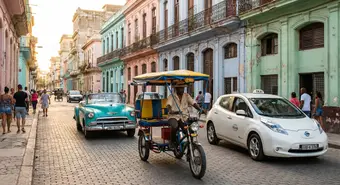
Electric Vehicles Replace Classic Cars on Cuba's Streets
The fuel crisis accelerates Cuba's shift to electric tricycles and buses on the streets of Havana.
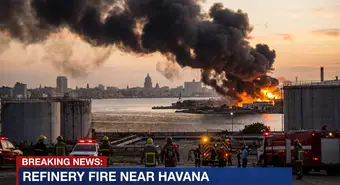
Fire at Havana's Ñico López Refinery Deepens Cuba's Energy Crisis
A fire at Cuba's largest refinery was quickly controlled. The blaze hit a warehouse, not processing areas, but heightens fears amid severe fuel shortages.
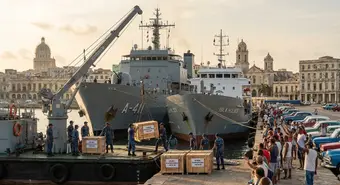
Mexican Navy Ships Deliver 814 Tons of Humanitarian Aid to Cuba
Two Mexican Navy vessels docked in Havana carrying food and powdered milk as humanitarian aid amid Cuba's deepening energy crisis.
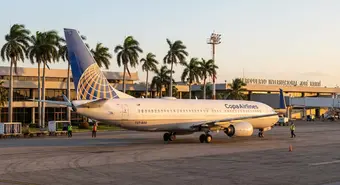
Copa Airlines Keeps Flying to Cuba by Tankering Fuel from Panama
Copa Airlines maintains flights to Havana by loading extra fuel in Panama, while Canadian, Russian, and European carriers cancel Cuba routes.
Cuban Aviation Paralyzed: Airports Without Fuel Until Mid-March
Cuban civil aviation faces an unprecedented crisis. Seven international airports, including Havana, notify lack of fuel for aircraft refueling.
Havana Garbage Chaos: Only 40% of Collection Trucks Active
A critical fuel shortage paralyses garbage collection in Havana, creating massive debris piles on street corners and raising serious public health concerns.