Cuban Crisis 2026: Trump Escalates Maximum Pressure as Exodus Grows
Trump's 2026 escalation against Cuba intensifies migration crisis with record deportations, economic blockade, and thousands of families in limbo.
4 min read
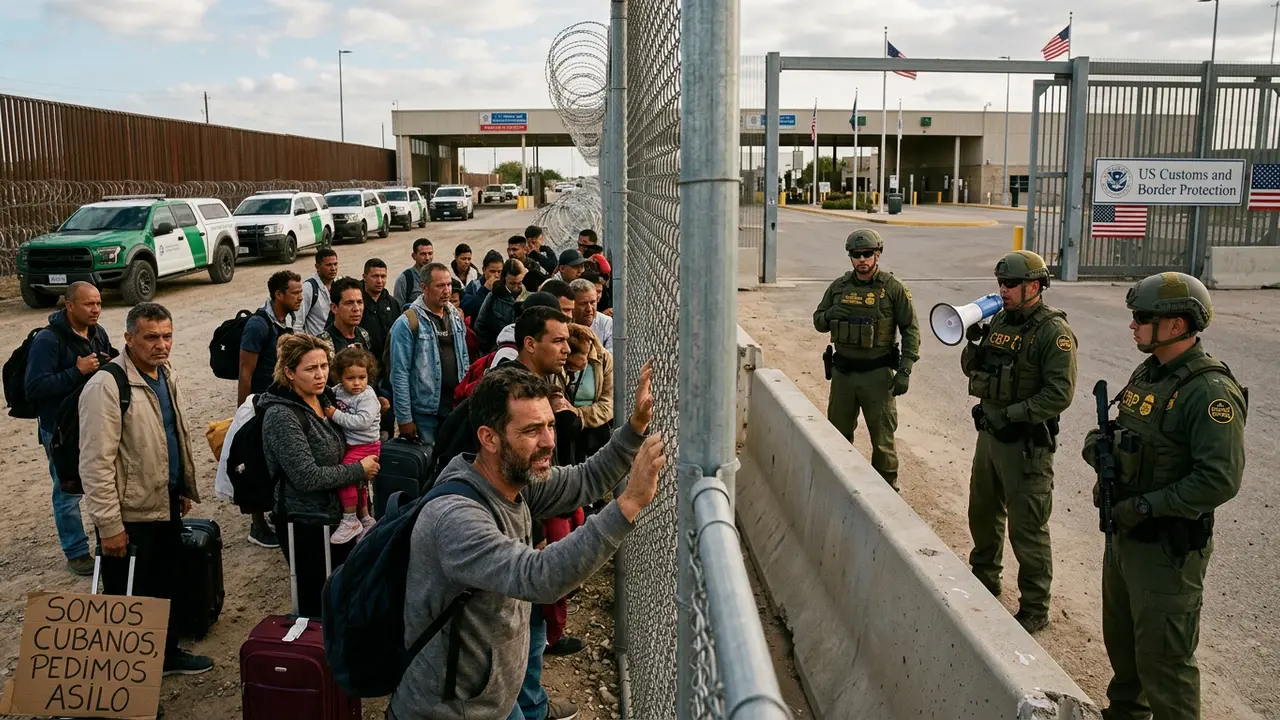
Illustration: Aroma de Cuba (AI)
The “Cuban Crisis of 2026” has reached a tipping point that marks the most tense moment in Cuba-US relations since the Cuban Missile Crisis of 1962. With Trump back in the White House, his administration has deployed what experts call a “maximum pressure” strategy combining record deportations, naval blockade, and the looming threat of regime change.
The month that changed everything
March 2026 began with a series of developments that have put the Cuban community in the United States on maximum alert:
Unprecedented ICE operations
- 170 Cubans deported on February 9, including 50 with serious criminal backgrounds
- New arrests every week, with ICE detaining Cubans with histories of domestic violence and serious crimes
- Elimination of historic protections that for decades protected the Cuban community
Geopolitical escalation
Trump has declared a national emergency citing alleged links between Cuba and terrorist groups like Hamas and Hezbollah. This declaration has enabled:
- Effective naval blockade: Interception of oil tankers bound for Cuba
- Tariff threats against countries trading with the island
- Military preparations in the Caribbean region
Multi-front migration crisis
The combination of pressures has created a perfect storm:
- CBP One eliminated: 200,000 Cubans lost their last legal pathway for entry
- Nicaragua closes borders: Traditional overland route permanently blocked
- 340% increase in maritime crossing attempts in January
- Third-country deportations: Cubans sent to places like Djibouti and South Sudan
Testimonies from ground zero
María Elena Rodríguez, who arrived with her family under the CHNV program, now lives in constant terror: “Every knock on the door makes me think it’s ICE. My children ask if we’re going to be separated like in the news.”
Jorge Hernández, migration rights activist in Miami, explains the magnitude: “We’re seeing the systematic dismantling of 60 years of migration policy toward Cuba. The Cuban Adjustment Act is under indirect attack.”
Trump’s strategy: Regime change?
State Department sources suggest the ultimate goal is to force regime change in Cuba before year-end. The elements include:
- Extreme economic pressure: Blockade of petroleum supplies
- Diplomatic isolation: Pressure on Cuba’s allies like Mexico and Canada
- Migration as weapon: Using deportations to destabilize internally
The human cost
For Cuban families in the US:
- 300,000 people with I-220A in legal limbo
- 45,000 active deportation orders
- Massive family separation for the first time since the 90s
For Cuba:
- Collapse of remittances: Main source of foreign currency cut off
- Forced return: Thousands of deportees without resources
- Demographic pressure: Population dropped to 8 million due to exodus
Legal resistance and hope
Despite the grim outlook, pockets of resistance are emerging:
Federal court victories
- Judge Brian Murphy ruled third-country deportations unconstitutional
- 11th Circuit Court ordered new review of I-220A cases
- Julia Benítez Pérez, 79, released after 9 months of detention
Community solidarity
- Unions paid bonds for detained Cuban hospital workers
- Miami organizations provide free legal assistance
- Churches and NGOs offer temporary shelter
What comes next?
The coming months will be critical. Experts predict Trump will intensify pressure if he doesn’t see concrete results in Cuba. This could include:
- Limited military intervention under an updated Monroe Doctrine
- Mass deportations of up to 100,000 Cubans
- Total blockade including food and medicine
FAQ: Cuban Crisis 2026
Can Trump mass deport all Cubans?
Not directly. The Cuban Adjustment Act remains in effect for those who qualify, but Trump is eliminating pathways to qualify and increasing deportations for criminal backgrounds.
What happens to Cubans with I-220A?
They’re in legal limbo. Some federal courts have ordered reviews, but ICE continues making arrests. Immediate legal representation is crucial.
Why is Cuba accepting deportees now?
For the first time in decades, Cuba accepts deportees with criminal backgrounds, possibly as part of secret negotiations to reduce economic pressure.
Is it safe to travel as a Cuban with legal status?
It depends on specific status. Permanent residents and citizens have protections, but those with pending cases or I-220A face increased risks.
This crisis marks a defining moment for the Cuban community in the United States. While Trump promises they “maybe want to go back” and will have “that choice,” the reality is that millions of people face the worst migration uncertainty in generations.
For more information about your migration rights and legal resources, check our migration guides updated weekly.
How we got here
Background
The first thing we published on this topic.
Cuba Records Second Magnitude 5 Earthquake in Three Days Near Santiago
A 5.0 magnitude tremor shook eastern Cuba, two days after a 5.6 quake in Guantánamo that damaged homes
45,000 Cubans Face Deportation Orders in the US
Some 550,000 Cubans vulnerable under Trump's immigration policies. Separated families and a community under pressure.
Related articles
ICE Intensifies Operations Against Cuban Families in March 2026
Multiple ICE arrests targeting Cubans reveal an intensified strategy that separates families and spreads panic through the community in March 2026.
Habeas Corpus vs ICE: Legal Resistance Frees Cubans from Detention
Over 24,000 habeas corpus petitions challenge ICE detention in 2026, freeing Cubans in hours after constitutional violations by federal courts.

11th Circuit Court Revives Hope for Cubans with I-220A
Judicial decision overturns BIA rulings and orders new review for thousands of Cubans in immigration limbo with I-220A forms.
Supreme Court Allows Trump to Revoke Parole for 500,000 Cuban Migrants
High Court authorizes elimination of temporary legal status for hundreds of thousands of Venezuelans, Cubans, Haitians, and Nicaraguans in the US

Asylum Denied: Only 3% of Cubans Win Court Cases They Skip
Asylum approvals plummeted to 3% in January 2026 as fearful Cuban immigrants skip court hearings due to Trump's deportation crackdown.
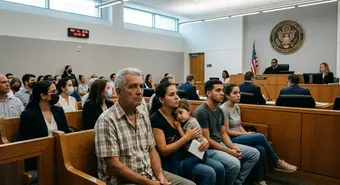
Cuban Kidnapping Ring Leader Sentenced in Miami
Víctor Rafael Arcia Albeja faces life in prison for leading network that kidnapped and tortured Cuban migrants for $15,000 ransom per head.