Economy in Cuba: EIU Projects 7.2% Contraction in 2026
The Economist Intelligence Unit warns that the Cuban economy will suffer a dramatic 7.2% drop this year, accumulating a 23% collapse since 2019.
3 min read
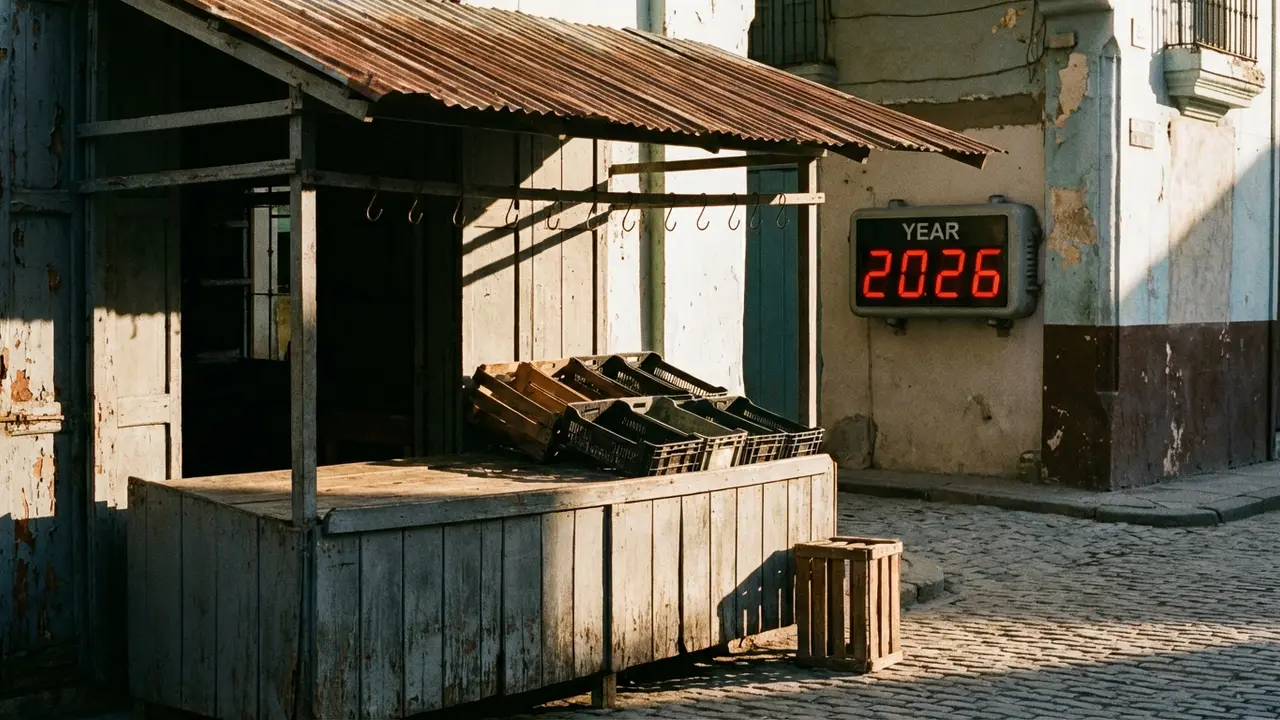
Illustration: Aroma de Cuba (AI)
The Cuban economy is facing a devastating 2026. According to the latest report from The Economist Intelligence Unit (EIU), the island’s Gross Domestic Product (GDP) is expected to contract by 7.2%. If this forecast holds, Cuba will have lost nearly a quarter of its economic output (23%) compared to the end of 2019.
An Accumulated Collapse
This figure is not an isolated event but rather the culmination of years of structural inefficiency, the tightening of external sanctions, and a decaying energy system that hinders any productive effort. Cuban economist Mauricio de Miranda highlighted that this contraction places the country in a state of extreme vulnerability, where the capacity for recovery is increasingly limited.
The crisis manifests daily in food shortages, uncontrolled inflation, and power outages that paralyze both the state sector and the emerging private sector. The lack of foreign currency prevents the import of basic supplies and fuel, creating a vicious cycle of shortages and stagnation.
Key Factors of the Contraction
- Energy Deficit: Blackouts lasting more than 20 hours in much of the country have halted industry and commerce.
- Unchecked Inflation: The informal market continues to dictate prices, making the average salary insufficient for basic needs.
- Lack of Foreign Investment: Political and economic instability deters investors needed to capitalize on key sectors.
- International Relations: Rising tensions with its main regional partner complicate any relief through remittances or credit.
The EIU’s projection ranks Cuba as one of the worst-performing economies in the region, highlighting the urgency of deep structural reforms that, so far, the government seems reluctant to implement effectively.
Frequently Asked Questions (FAQ)
What does a 7.2% contraction mean for the average Cuban? It means fewer products available in stores, an increase in the prices of the few remaining services, and greater difficulty in accessing medicine and basic food.
Why is 2019 used as a point of comparison? 2019 was the last year before the pandemic and the significant tightening of current external policies. It represents the pre-pandemic level that Cuba has not been able to recover.
What role does the energy crisis play in this forecast? It is fundamental. Without electricity, industries cannot produce and the services sector (including tourism) suffers constant interruptions, reducing the country’s income.
Is there any chance this projection might change? The EIU’s forecasts are based on current trends. Only radical changes in domestic economic policy or an unexpected shift in international relations could mitigate this decline.
Related Posts
- Cuba Confirms Talks with the U.S. and Starts Release of Prisoners
- Cuba’s Gas Crisis: Fuel Reaches Record High of $8 per Liter
- Cuba’s Informal Market: Dollar Stays Stable While Euro Rises this March 13
- Cuba’s Economy on Edge: Projected Fiscal Deficit of 74.5 Billion Pesos for 2026
- Zunzún: Cuba President Urges Economic Overhaul Amid Crisis
Sources:
How we got here
Background
The first thing we published on this topic.
How Cubans Are Surviving the Fuel Rationing Crisis
Neighbors unite to cook with firewood, power cuts lasting up to 18 hours, and echoes of the Special Period. Testimonies from Havana on the energy crisis.
Cuba Postpones IT Convention 2026 Due to Energy Crisis
Cuba's main technology event, scheduled for March, is indefinitely postponed due to the 'extraordinary situation' facing the country.
Related articles
Cuba Officially Opens Doors to Investment from Exile Community
The Government of Cuba announces that it will allow Cuban residents abroad to invest and own businesses on the island to alleviate shortages.

Cuba vs Puerto Rico: High-Stakes Duel in World Baseball Classic 2026
Cuba and Puerto Rico face off today in a key WBC 2026 match. Find out game details, timing, and what's on the line for the Cuban national team.
US Bans the Use of Cuban Banks for Fuel Imports for Private Sector
The US Department of Commerce suspends the use of state-owned Cuban banks for fuel transactions intended for the island's emerging private sector.
Gasoline in Havana Reaches 4,000 CUP per Liter on the Black Market
Extreme fuel shortages in Cuba drive prices sky-high on the black market, where a liter of gasoline is now trading for 4,000 Cuban pesos.
Cuba Opens Private Fuel Imports Amid Energy Collapse
Faced with a 2,000 MW deficit and state failure, Cuban private enterprises begin importing petroleum under the oversight of Trump and Díaz-Canel.

Cuban with I-220A Shows Luxury House in Cuba: Sparks Controversy
A Cuban I-220A beneficiary displays properties and vehicles in Cuba while the island faces energy crisis and thousands live in poverty.