Cuba Recovers Electricity Slowly After Sixth National Grid Collapse
The national power system begins slow restoration after a total blackout that left 11 million in darkness. The energy crisis worsens.
3 min read
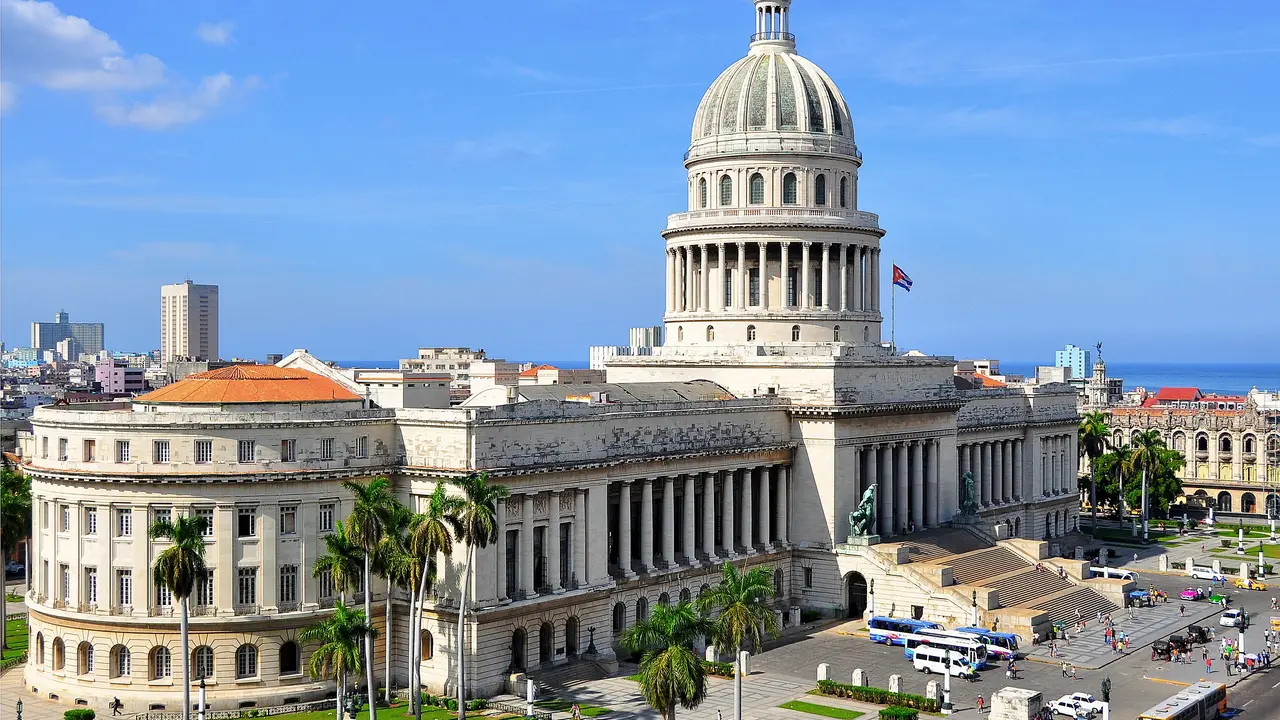
Photo: Wikimedia Commons / Nigel Pacquette
Cuba began a “slow and gradual” recovery process of its national electro-energetic system (SEN) on Wednesday, after suffering its sixth total collapse in less than two years last Monday. The general disconnection left the island’s 11 million inhabitants without power, worsening a crisis that already saw many parts of the country facing outages of up to 20 hours a day.
A System on the Edge
The Unión Eléctrica (UNE) reported that restoration is being carried out by creating regional “micro-systems” to gradually feed the thermal power plants. However, authorities warn that the system’s stability remains precarious due to the poor state of generator plants and a chronic lack of fuel.
The SEN’s collapse has not only left Cuban homes in the dark but has also paralyzed vital services such as water supply, communications, and the cold chain for basic foodstuffs. In cities like Santiago de Cuba and Holguín, the situation is critical, with reports of isolated protests and “cacerolazos” (pot-banging protests) in the darkness.
Factors of the Crisis
Several factors have converged to push Cuba’s energy infrastructure to a breaking point:
- Technological Deterioration: Major plants, such as the Antonio Guiteras in Matanzas, are over 40 years old and lack necessary major maintenance.
- Fuel Shortage: Reduced oil shipments from strategic allies and limitations in accessing the international market have left plants without safety reserves.
- External Pressure: The Cuban government attributes much of the blame to U.S. sanctions, which complicate the acquisition of spare parts and freight.
Impact on the Population
For the average Cuban, the new massive blackout represents a devastating blow amidst rampant inflation and food shortages. “It’s not just the lack of light; it’s having no way to cook and having the little food you have in the fridge go bad,” commented a Havana resident.
As electricity returns “bit by bit” to privileged sectors and hospitals, the shadow of another collapse remains looming. The UNE predicts that the generation deficit will remain above 1,000 MW even with an interconnected system, ensuring the continuation of long scheduled blackouts.
Frequently Asked Questions (FAQ)
What caused the national power grid collapse?
The main cause was a “critical failure” in the National Electro-energetic System due to an accumulated generation deficit and the unexpected shutdown of several thermal plants for repairs.
How long will it take to restore electricity across all of Cuba?
Authorities have not provided an exact date, but the process is slow due to the fragility of the grid. It is estimated that full service could take several days to stabilize, though the risk of further disconnections remains high.
Which provinces are most affected?
Although the blackout was national, eastern provinces like Santiago de Cuba, Guantánamo, and Holguín often experience the longest outages and slowest restoration times.
Are there protests due to the blackouts?
Yes, “cacerolazos” and peaceful gatherings have been reported in various parts of the island, reflecting growing social unrest over the government’s inability to resolve the energy crisis.
Related Links
- 5.8 Magnitude Earthquake Hits Eastern Cuba Amid National Power Collapse
- PCC Headquarters Set on Fire in Morón: Repression and Injuries Reported
- Unending Crisis: 20-Hour Blackouts in Cuba Amid 2,300 MW Deficit
- Cuba in Chaos: 2000 MW Blackouts Leave the Island in Darkness
- Chaos at Cuban Airports Amid Critical Fuel Shortage
External Sources
How we got here
Background
The first thing we published on this topic.
How Cubans Are Surviving the Fuel Rationing Crisis
Neighbors unite to cook with firewood, power cuts lasting up to 18 hours, and echoes of the Special Period. Testimonies from Havana on the energy crisis.
Cuba Postpones IT Convention 2026 Due to Energy Crisis
Cuba's main technology event, scheduled for March, is indefinitely postponed due to the 'extraordinary situation' facing the country.
Related articles
5.8 Magnitude Earthquake Hits Eastern Cuba Amid Power Collapse
A strong earthquake strikes Santiago and Granma while Cuba suffers a total disconnect from the electric grid, deepening the ongoing humanitarian crisis.
Cuba Restores Power Grid After Total Blackout
The Cuban government announces the restoration of the power grid after a full blackout, though scheduled cuts continue due to fuel shortages.

Cuba Health Crisis: Critical Medicine Shortage in Hospitals
Lack of medical supplies and essential drugs reach critical levels in Cuba, affecting hospitals and forcing residents to the informal market.
Cuba Officially Opens Doors to Investment from Exile Community
The Government of Cuba announces that it will allow Cuban residents abroad to invest and own businesses on the island to alleviate shortages.

Cuba in the Dark: Government Admits Cause of National Blackout Unknown
Cuba suffers its second day of a national blackout after the grid collapse. Authorities have yet to determine the origin of the massive failure.

Russian tankers sail to Cuba with 1 million barrels of oil
The Anatoly Kolodkin and Sea Horse tankers are en route to Cuba, challenging the energy blockade and aiming to halt record-breaking blackouts.