Nuestra América Convoy activists detained 3 hours in Miami
16 American activists questioned in Miami after returning from Cuba. CBP confiscates phones and laptops in secondary inspection.
3 min read
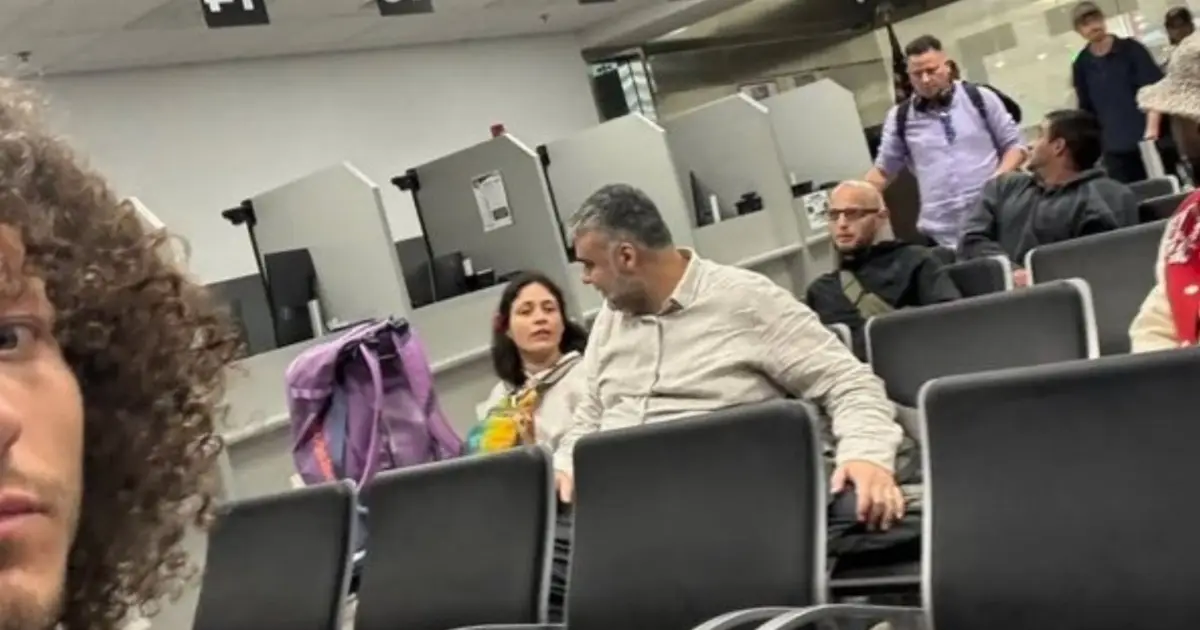
Photo: cubaheadlines.com
At least 16 American activists from the Nuestra América Convoy faced detention and interrogation at Miami International Airport on Wednesday, following their return from a “solidarity” mission to Cuba. The questioning sessions, lasting over three hours for some members, have ignited intense debate about migration policies and freedom of movement to the island.
Routine Inspection or Systematic Intimidation
The activists underwent secondary inspection by Customs and Border Protection (CBP), a procedure the government classifies as “routine” for individuals returning from U.S.-sanctioned countries. However, participants denounce confiscation of mobile phones and laptops, along with detailed interrogations about their activities in Cuba.
“Some colleagues were released earlier, while others remained under questioning,” recounted one detained activist, who described repeated inquiries about their Cuban activities and Venezuelan connections. “We were there to assist humanity,” she insisted, presenting articles demonstrating their humanitarian efforts.
International Context of the Convoy
The detention occurred after the convoy’s participation in an international initiative that gathered hundreds of leftist activists and political figures in Havana, including notable names like Pablo Iglesias and Jeremy Corbyn. The group delivered food, medicine, and solar equipment in what they framed as a solidarity mission during Cuba’s energy and economic crisis.
During their stay, the convoy engaged in official activities and tours of the capital, including meetings with state institutions and government figures such as Mariela Castro. Events culminated at the Palace of Conventions, where Miguel Díaz-Canel led a session thanking participants for their international support.
Criticism of the “Humanitarian Mission”
Images of the convoy circulating through Havana in electric vehicles while singing “Guantanamera” sparked public criticism, contrasting sharply with power outages, fuel shortages, and Cuba’s deteriorated public transportation system.
Comedian Ulises Toirac sarcastically suggested that convoy members should live on 4,000 CUP per person with ration cards and ETECSA phone lines to truly experience Cuban living conditions.
Journalist Yoani Sánchez was even more direct: “We are not a theme park. Take your ideological tourism elsewhere. We are suffering here,” reflecting citizen frustration captured in local testimonies.
Impact on Cuban Migration
This incident occurs while 300,000 Cubans remain in legal limbo in the United States following the suspension of the CHNV humanitarian parole program. Simultaneously, deportations have reached 427 Cubans in 2026, marking historic levels under Trump’s policies.
Cuba’s energy crisis, with 16 hours of daily blackouts and a 90% reduction in Venezuelan oil supply, has increased maritime crossings by 340%, providing context for the debate over international aid and migration policies.
Frequently Asked Questions
Why were Nuestra América Convoy members detained?
The activists underwent routine secondary inspection by CBP due to their travel to Cuba, a country under U.S. sanctions. The interrogations focused on their activities and distribution of humanitarian aid.
What is the Nuestra América Convoy?
It’s an international initiative bringing together leftist activists to show solidarity with Cuba through delivery of humanitarian aid and political support for the Cuban government during the current energy crisis.
Is it legal to travel to Cuba from the United States?
Yes, there are 12 authorized categories for traveling to Cuba from the U.S., including humanitarian, educational, and support for the Cuban people activities. However, travelers may be subject to inspections upon return.
How does this affect Cuban migration?
The incident highlights political tensions while 300,000 Cubans await resolution of their migration cases following the suspension of legal entry programs, and deportations continue at record levels.
The debate surrounding this incident reflects the complexities of U.S. migration policy toward Cuba, where humanitarian missions intersect with national security considerations and geopolitical pressures at a critical moment for Cuban migration.
How we got here
Background
The first thing we published on this topic.
US Diplomat: 'Cuban Regime Won't Survive 2026'
Mike Hammer, head of the US mission in Havana, says the Cuban government faces a critical moment and sends message of hope to the people.
Cuban Dissident Influencers from El4tico Held in Provisional Prison
Ernesto Ricardo Medina and Kamil Zayas, creators of El4tico, face charges of propaganda against the constitutional order in Holguín.
Related articles
Migrants march from Tapachula: 'We feel like prisoners'
Cubans and Central American migrants march 500 kilometers from Tapachula protesting bureaucratic delays and lack of work opportunities in Mexico.
Court Denies Habeas Corpus to Minor Detained After Morón Protests
The Cuban judicial system has rejected a legal appeal for Jonathan David Muir Burgos, 16, who remains in custody following the March 2026 demonstrations.
Miami Cubans protest for right to deliver humanitarian aid to Cuba
Cuban exiles question why only certain organizations can bring aid to the island while they, who understand the true needs, lack access.
Cuba Declares Alert Over Possible U.S. Military Aggression
Deputy Foreign Minister Carlos Fernández de Cossío warns that Cuban armed forces are preparing for rising tensions with Washington.
Wave of Arrests Hits Cuba After Intense March 2026 Protests
The Cuban government intensifies detentions following weeks of protests over massive blackouts and food shortages in Santiago and Havana.

Federal Court Orders Release: Habeas Corpus Emerges as Key Defense
California courts order immediate release of immigrants illegally detained under wrong statute. What this means for Cuban community?