Cuba Declares Alert Over Possible U.S. Military Aggression
Deputy Foreign Minister Carlos Fernández de Cossío warns that Cuban armed forces are preparing for rising tensions with Washington.
3 min read
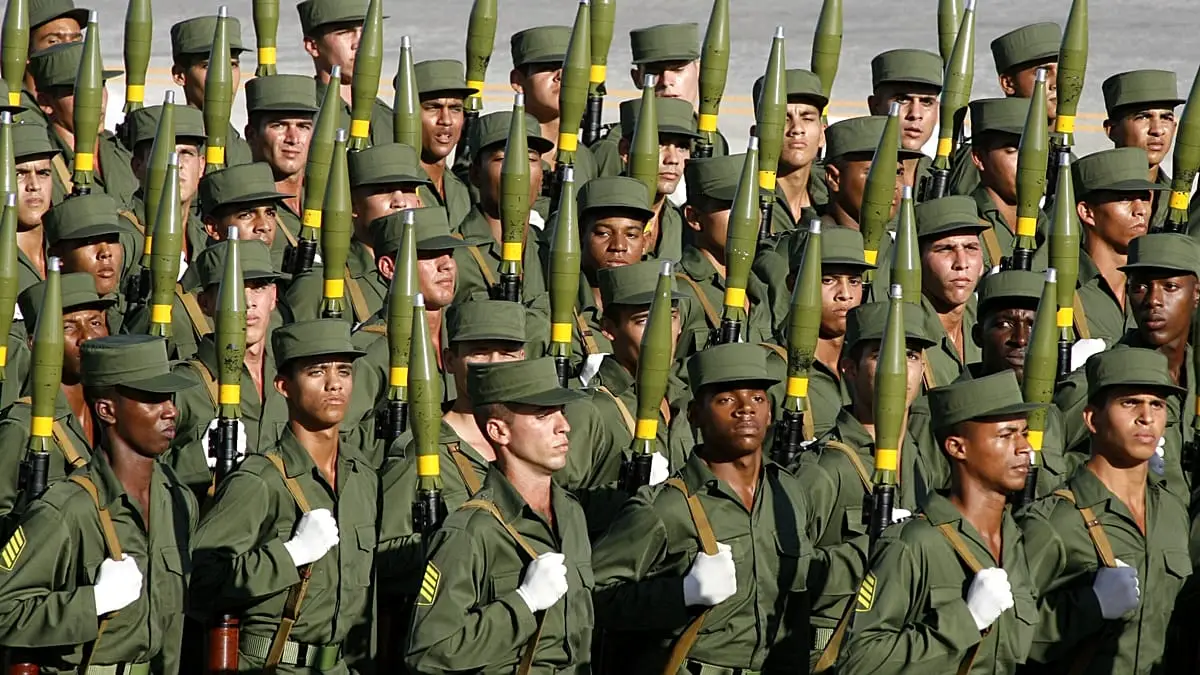
Photo: es.euronews.com
In a context of growing hostility and internal crisis, the Cuban government has issued a sharp warning regarding the possibility of military aggression by the United States. Deputy Foreign Minister Carlos Fernández de Cossío recently stated in an interview with NBC News that the island is actively preparing to defend its sovereignty.
A Direct Warning from Havana
According to reports by international media outlets such as CNN and Euronews, De Cossío noted that Cuban armed forces cannot ignore the signs of an escalation in U.S. policy toward the island. This stance follows months of accumulated tensions and more aggressive rhetoric from Washington, prompting military leadership in Havana to activate national defense protocols.
“Speaking of military aggression is not paranoia; it is a reality for which we must be ready,” the diplomat suggested, emphasizing that regional stability is at risk if external pressure continues.
Context of Crisis and Diplomatic Tensions
This military alert occurs as Cuba endures one of its worst economic and energy crises in decades. Frequent blackouts and shortages of basic supplies have fueled internal discontent, which the Cuban government typically attributes to U.S. sanctions (the embargo).
For their part, international analysts are monitoring this escalation of statements with concern. While some view it as an internal mobilization strategy amidst a domestic crisis, others do not rule out that the deterioration of bilateral relations could lead to incidents in the Florida Straits or at Guantanamo.
Frequently Asked Questions (FAQ)
What exactly did Carlos Fernández de Cossío say? He stated that Cuba is preparing militarily for the possibility of a U.S. aggression, citing increased bilateral tensions.
Is conflict imminent? No start of hostilities has been reported, but the diplomatic and military language of both countries has sharpened significantly in March 2026.
How does this affect the energy crisis in Cuba? Redirecting resources to defense could divert funds and logistics needed to stabilize the national power grid, worsening blackouts.
What has been the U.S. response? So far, Washington has maintained its policy of economic pressure but has not confirmed specific plans for immediate military intervention.
Sources and Related Links
- Euronews: Cuba prepares for possible military aggression
- CNN: 5 things you need to know this March 23
- CiberCuba: Deputy Minister Fernández de Cossío warns of military readiness
Other articles of interest:
- Energy Crisis in Cuba 2026
- Cuba-US Relations: Recent Chronology
- Impact of the Embargo on the Health Sector
- Protests in Cuba: What We Know
- Tourism in Cuba Amid Instability
How we got here
Background
The first thing we published on this topic.
US Diplomat: 'Cuban Regime Won't Survive 2026'
Mike Hammer, head of the US mission in Havana, says the Cuban government faces a critical moment and sends message of hope to the people.
Cuban Government Promises Pensions Despite Energy Crisis
Finance Minister assures pensions are guaranteed in 2026 budget, while acknowledging partial increase 'doesn't fully solve' retirees' situation.
Related articles

Federal Court Orders Release: Habeas Corpus Emerges as Key Defense
California courts order immediate release of immigrants illegally detained under wrong statute. What this means for Cuban community?

Protesters ransack Communist Party office in Morón over blackouts
Cuban demonstrators attack Communist Party building in rare protest over blackouts and food prices. Five arrested in uncommon act of public dissent.
Cuba Releases Political Prisoners After Vatican Mediation
Cubalex confirms the release of over 20 political prisoners while the Cuban government maintains official silence on the exact number of the promised 51.
Cuba Releases 21 Political Prisoners After Vatican Mediation
Cubalex confirms release of 21 protesters from July 11 demonstrations out of 51 promised by Cuban government following diplomatic Vatican efforts

Luis Manuel Otero begins hunger strike after threats in prison
Cuban artist Luis Manuel Otero starts a hunger strike in Guanajay prison following serious death threats from authorities.
US Diplomat: 'Cuban Regime Won't Survive 2026'
Mike Hammer, head of the US mission in Havana, says the Cuban government faces a critical moment and sends message of hope to the people.